
TYPES OF ESCAPEMENTS
The escapement performs several main functions. First, it stops the gear train while the balance wheel is in its free oscillation phase. Periodically (between 2 and 10 times per second for most of them), it releases the gear train and transmits brief impulses to the regulating organ. In this way, the energy stored in the mainspring is not released all at once. These controlled impulses help maintain the oscillations of the regulating organ (the balance wheel and hairspring).
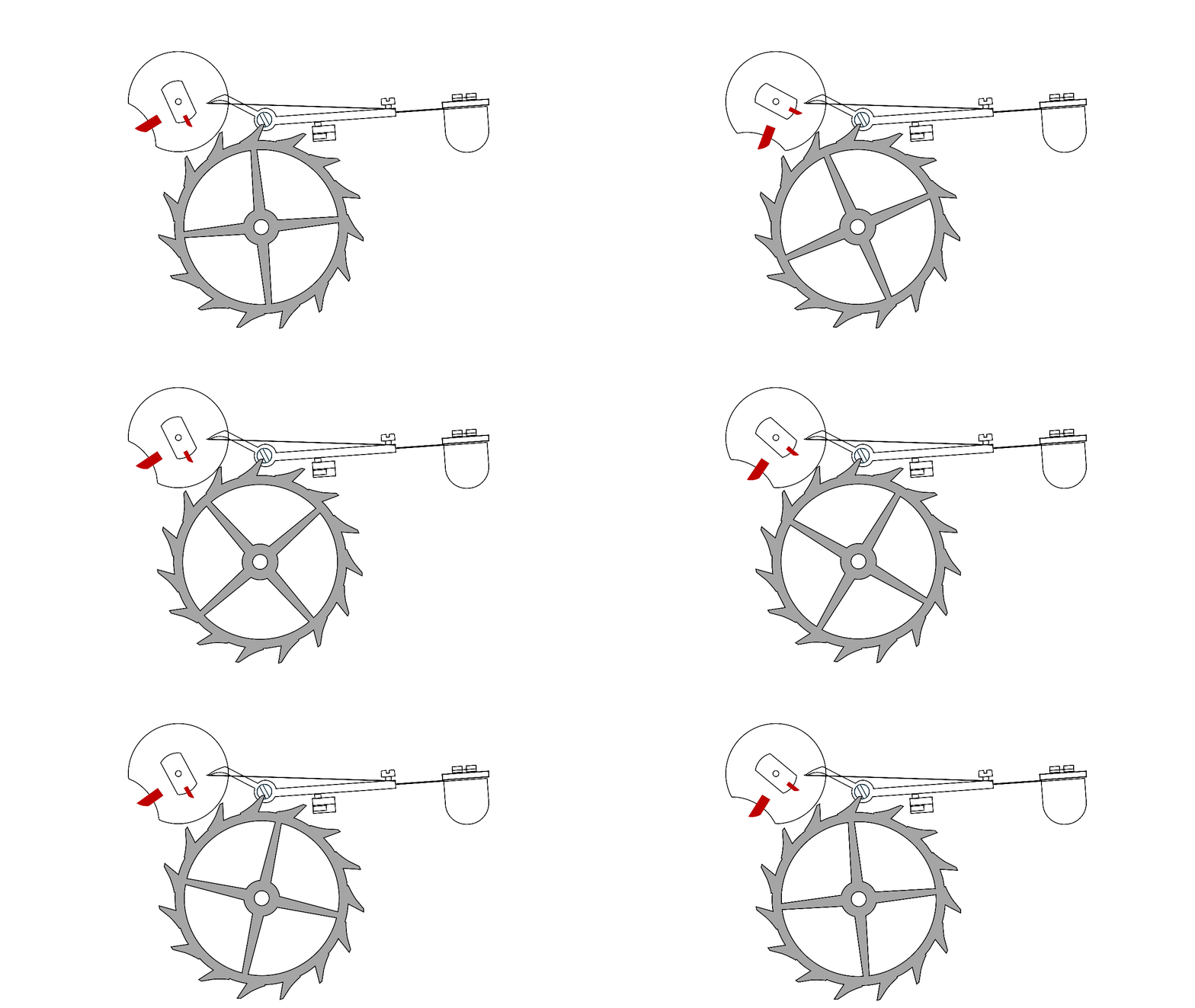
Frictional rest escapement
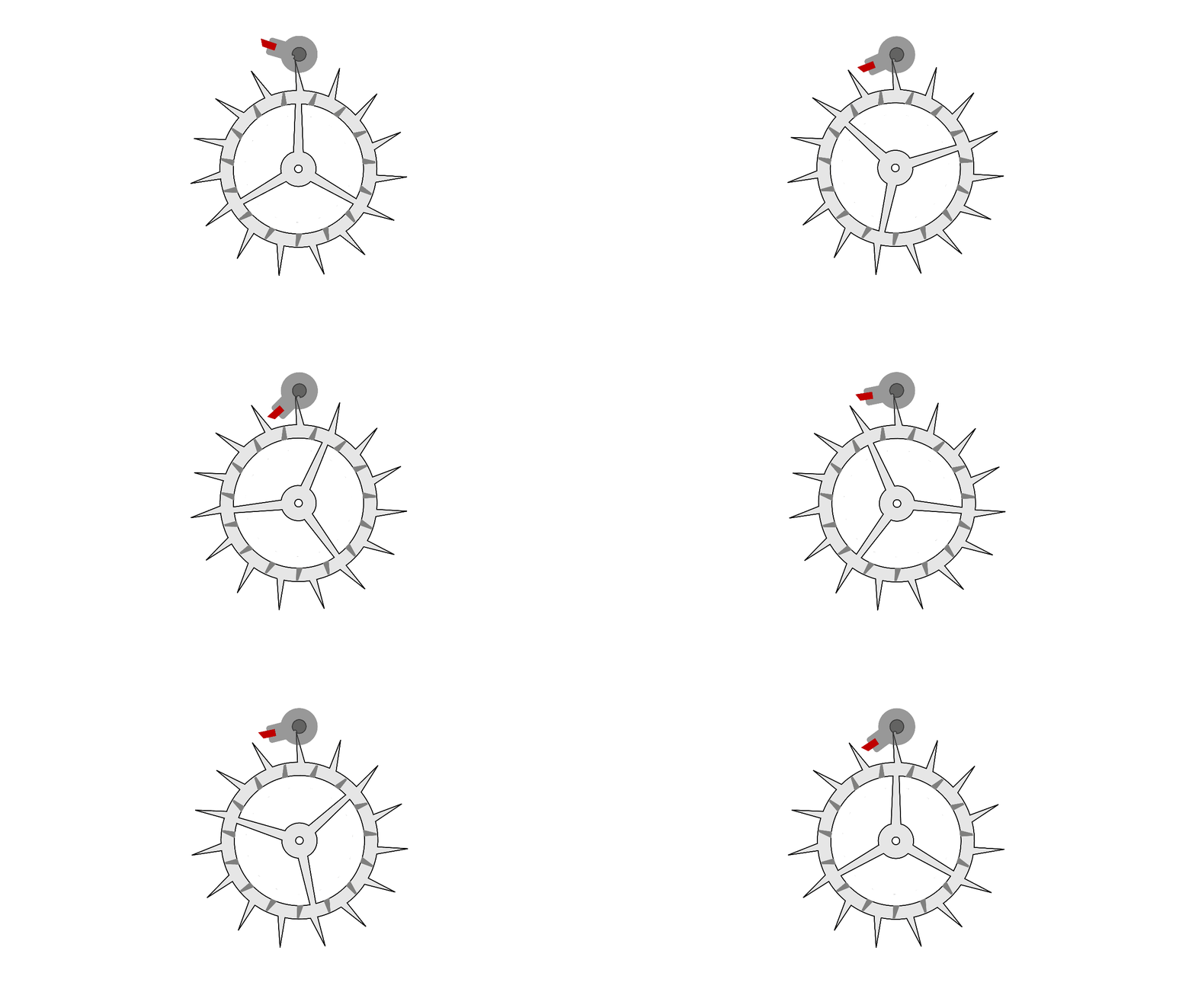

RECOIL ESCAPEMENTS
In this type of escapement, the escape wheel experiences a slight recoil when locked. However, it creates isochronism disruptions which affect the watch’s precision.
- Verge escapement
- Crown-wheel escapement
FRICTIONAL REST ESCAPEMENTS
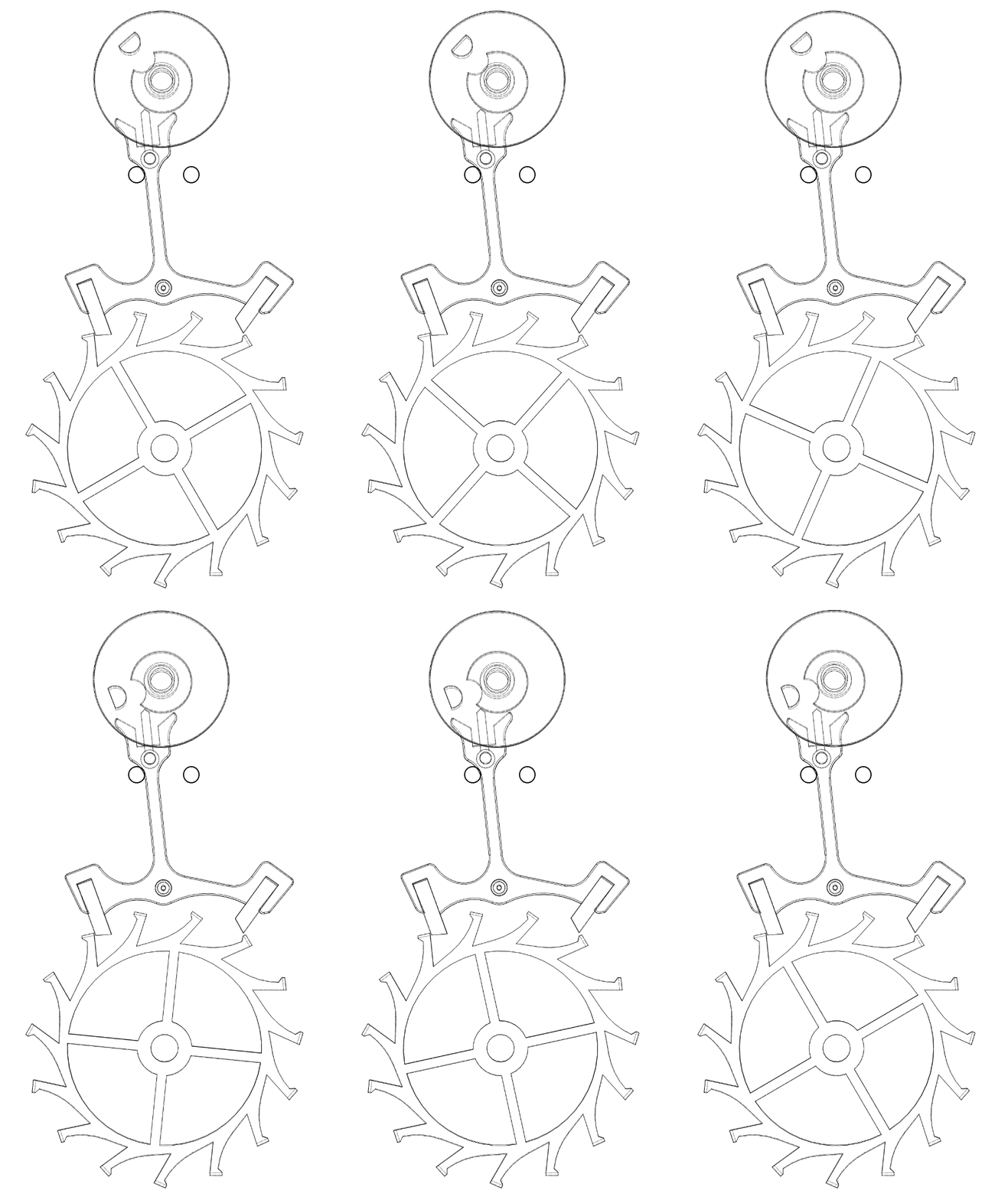
DETACHED ESCAPEMENTS
This type of escapement is designed to minimize friction and maintain better timekeeping accuracy by limiting the direct contact between the escapement components and the regulating organ (balance wheel – hairspring) to only brief moments during each oscillation cycle.
By minimizing the interference between the escapement and the balance wheel, detached escapements offer greater precision compared to other types of escapements.
- Detent escapement
- Robin Escapement
- English lever escapement
- Swiss lever escapement
- Co-axial escapement
BECOME A CONTENT CONTRIBUTOR
HOROPEDIA is a participative knowledge platform and we invite all those who wish to contribute to this adventure of sharing watchmaking knowledge to join us.
It can be additional explanations, images or other illustrations or terms not yet identified that deserve to be.