
COMPOSITE MATERIALS
These are materials designed by combining two or more chemically distinct substances — generally a die and a reinforcement — in order to obtain mechanical or physical properties superior to those of each component taken individually. The resulting substance typically exhibits increased strength, increased durability, remarkable lightness, or other characteristics specific to the intended application.
The watchmaking industry has integrated composite materials as part of an approach aimed at lightening, stiffening, and increasing resistance to shocks and chemical agents.
Basic principle
The founding idea of the composite material is that thecombination of two materials can exceed the simple addition of their respective qualities. The matrix — often a polymer resin, a Metal or a Ceramics — ensures the cohesion of the whole and distributes mechanical stresses, while the reinforcement — fibres, particles or woven structures — provides rigidity, strength or other targeted properties.
This principle is not new: reinforced concrete, which combines concrete (resistant to compression) andSteel (resistant to tension), constitutes its most universal example. In nature, the Wood is itself a composite, assembling cellulose fibres in a lignin matrix.
Main families
There are generally three main families, depending on the nature of the matrix:
- Polymer matrix composites (PMC): in particular carbon or glass fibres embedded in an epoxy resin, the most widespread in the industry, as they are very light and strong.
- Ceramic matrix composites (CMC): designed for extreme environments (high temperatures, intense abrasion).
- Metal matrix composites (MMC): combine a light Metal (Aluminium, Titanium) with ceramic reinforcements. They tolerate high temperatures better than PMCs.
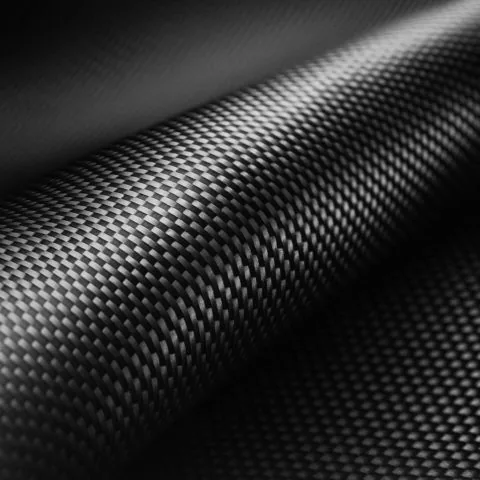
CARBON COMPOSITES (woven fibres, forged carbon and nanotubes)
The extraordinary properties of carbon composites make them a technical material valued in the manufacture of external parts (cases, straps, dials) or, anecdotally, movement components.
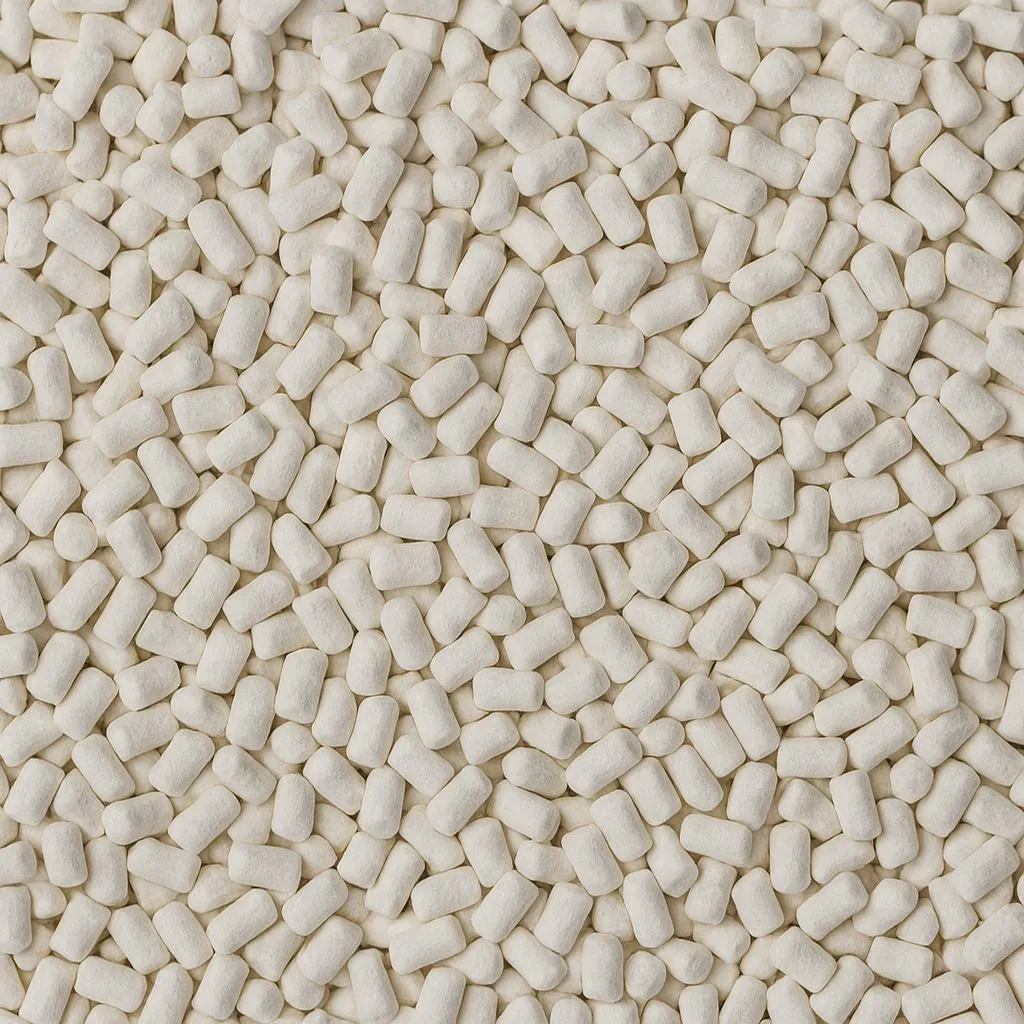
CERAMICS
Ceramics, as used in watchmaking, refer to composite materials whose main elements are inorganic and non-metallic, such as zirconium oxide or silicon carbide.
This page was automatically translated from the French reference version using an artificial intelligence tool. Errors or inaccuracies may remain. If you notice any, especially if this is your native language, please feel free to report them to info@horopedia.org. Your contribution helps us improve the quality of the encyclopedia.
Pending translation, images and videos remain temporarily displayed in French.
Thank you for your understanding.