
MENU
1. Table of main properties of cork
| Property | Typical value | Remarks |
|---|---|---|
| Density | ~0.1–0.3 g/cm³ | Very lightweight |
| Elasticity modulus (E) | ~0.01–0.1 GPa | Very low |
| Tensile strength | Low | |
| Hardness | Very low | Compressible |
| Thermal conductivity | Very low | Insulating |
| Electrical conductivity | None | Insulating |
| Expansion coefficient | Variable | |
| Magnetism | No | Non-magnetic |
| Corrosion resistance | Good | Sensitive to aging |
| Machinability | Excellent | Very easy |
2. General Description
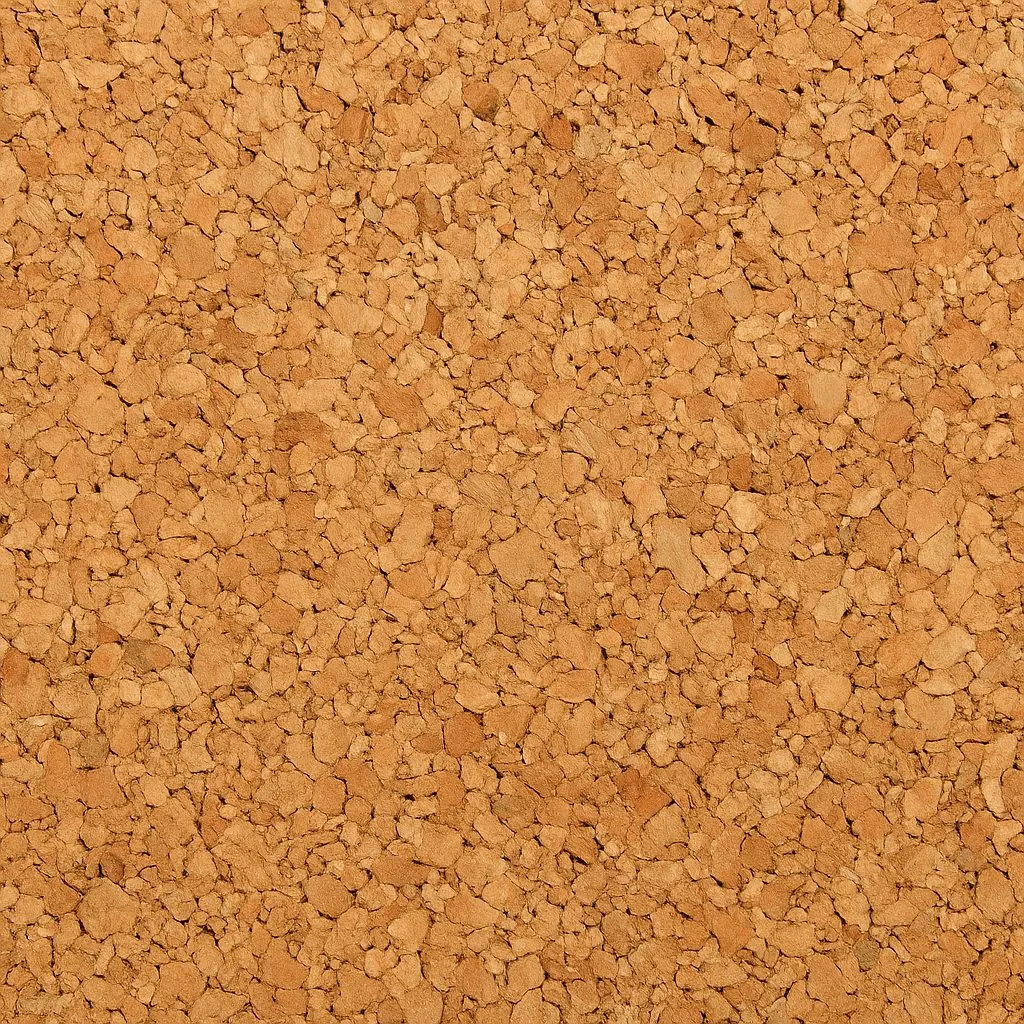
Cork is a natural material derived from the bark of the cork oak (Quercus suber), characterized by its closed cellular structure, lightness, and compressibility. In watchmaking, its use today is very marginal, but it had, in the past, specific applications, particularly in Water resistance systems.
Its properties of compressibility, elasticity and relative impermeability made it an interesting material at a time when modern solutions (polymers, elastomers) were not yet available.
3. Structure and behavior
Cork is made up of:
- gas-filled cells
- walls rich in suberin (a hydrophobic substance)
This structure gives it:
- a strong compression capacity
- a partial elastic return
- a good resistance to moisture
However, it remains:
- sensitive to mechanical wear
- less stable than modern materials
4. Watchmaking applications
Water resistance seals (historical use)
Cork was used in the first water-resistant watches for:
- case back seals
- crown seals
Function:
- ensuring water resistance through compression
- compensating for surface irregularities
👉 These uses now belong to the past, replaced by:
- rubbers
- synthetic elastomers
- technical polymers
Straps (anecdotal use)
More recently, cork has been used marginally for:
- alternative bracelets
Characteristics:
- lightweight
- flexible
- natural appearance
👉 Very limited use in watchmaking.
5. Advantages and limitations
Advantages
- Very lightweight
- Compressible
- Good shock-absorbing capacity
- Natural material
- Non-magnetic
- Relative imperviousness
Limitations
- Low mechanical strength
- Rapid wear
- Aging (drying out, cracking)
- Limited water resistance
- Replaced by modern materials
- Very marginal use today
This page was automatically translated from the French reference version using an artificial intelligence tool. Errors or inaccuracies may remain. If you notice any, especially if this is your native language, please feel free to report them to info@horopedia.org. Your contribution helps us improve the quality of the encyclopedia.
Pending their translation, images and videos remain temporarily displayed in French.
Thank you for your understanding.