MOMENT OF INERTIA
Useful links:
The moment of inertia is the physical quantity that measures a body’s resistance to a change in its rotational speed about an axis.
The farther the mass is from the axis → the greater the moment of inertia
The closer the mass is to the axis → the smaller it is
With equal total mass, distribution makes all the difference.
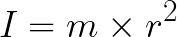
In watchmaking, the moment of inertia mainly concerns the balance wheel. The balance wheel’s moment of inertia is calculated according to the following formula:
I = moment of inertia of the balance wheel (kg·m²)
m = mass of the balance wheel (kg)
r = radius of gyration of the balance wheel (m)
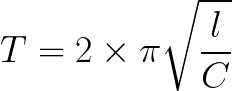
T = Period (s)
I = Moment of inertia of the balance about its axis (kg·m²)
C = Elastic torque (stiffness) of the hairspring (N·m/rad)
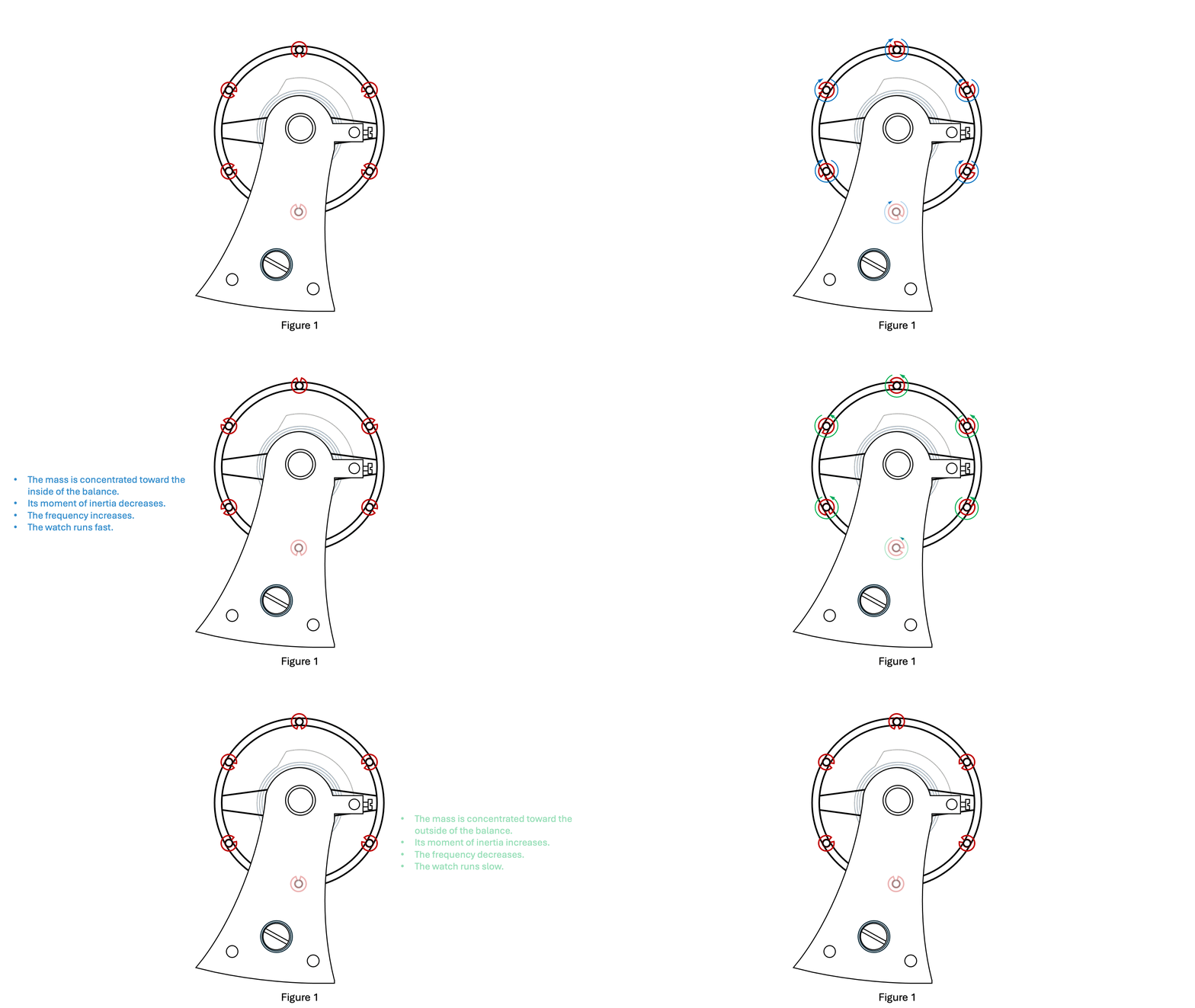
Some designs allow the balance wheel’s moment of inertia to be modified in order to carry out poising and regulation (Figure 1).