
ALUMINIUM
Table of main properties of aluminium
| Property | Typical Value | Remarks |
|---|---|---|
| Density | ~2.7 g/cm³ | Low |
| Young’s modulus (E) | ~70 GPa | Low |
| Tensile strength | ~70–500 MPa | Depends on alloy |
| Hardness (HV) | ~20–150 HV | Low to moderate |
| Thermal conductivity | ~200–235 W/m·K | Very high |
| Electrical conductivity | ~30–38 MS/m | High |
| Thermal expansion | ~22–24 ×10⁻⁶ /K | Relatively high |
| Melting point | ~660 °C | Pure aluminum |
| Magnetism | No | Non-magnetic |
| Corrosion resistance | Good | Oxide layer |
| Machinability | Good |
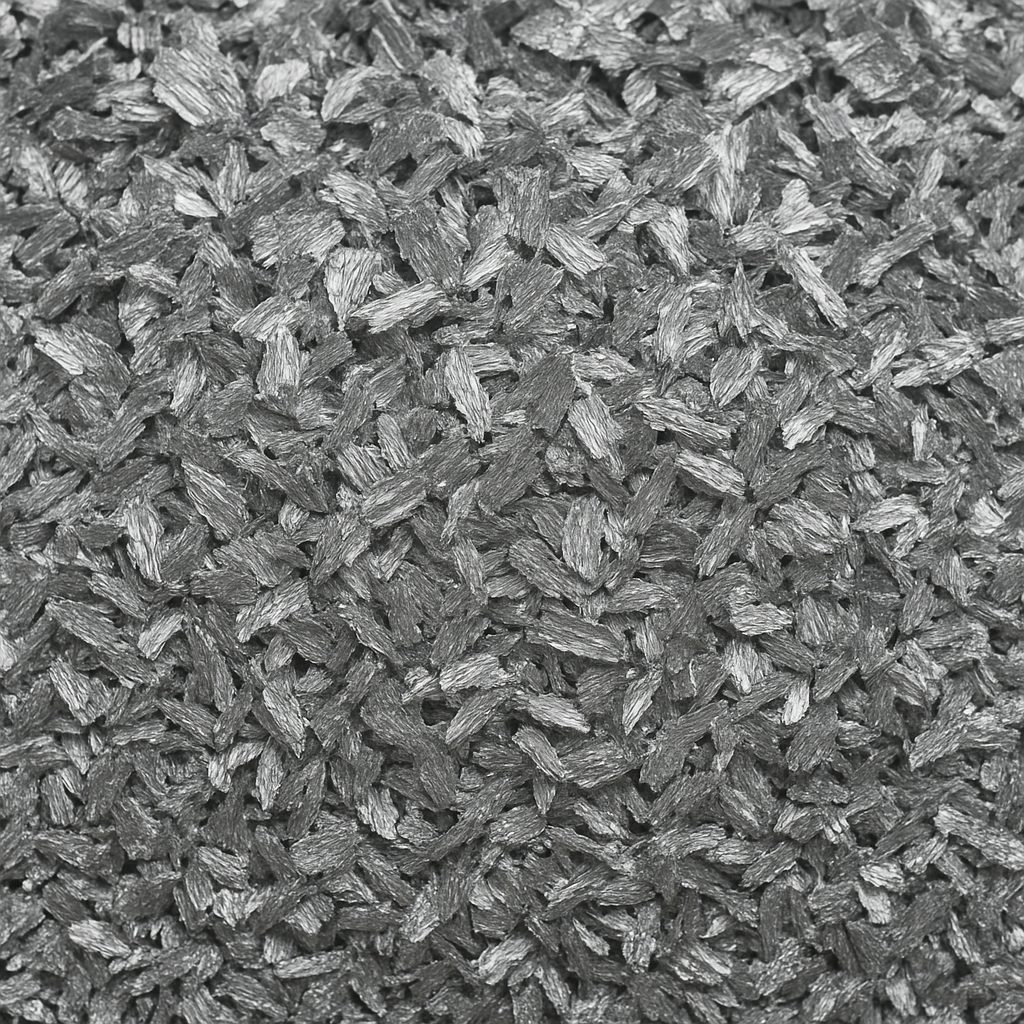
- General description
- Types of aluminium used in watchmaking
- Surface treatments
- Watchmaking applications
- Advantages and limitations
1. Pure Aluminum
Used only marginally due to its low mechanical strength.
Characteristics:
- Very lightweight
- Easy to machine
- Low wear resistance
2. Aluminum Alloys
Alloys are preferred in watchmaking to improve mechanical performance.
Examples:
- Al-Si (aluminum-silicon) → good dimensional stability
- Al-Mg (aluminum-magnesium) → improved mechanical strength
- Al-Cu (duralumin type) → high strength
Applications:
- Lightweight components
- Specific structures
- Experimental or technical parts
Aluminum alloys are classified into different families depending on the principal alloying element. For wrought aluminum alloys, these categories are:
- Series 1000: Aluminum (>99%), unalloyed
- Series 2000: Main alloying element: copper (Cu)
- Series 3000: Main alloying element: manganese (Mn)
- Series 4000: Main alloying element: silicon (Si)
- Series 5000: Main alloying element: magnesium (Mg)
- Series 6000: Main alloying elements: magnesium (Mg) and silicon (Si)
- Series 7000: Main alloying element: zinc (Zn)
3. Anodized Aluminum
Anodizing is an electrochemical process that:
- Strengthens the surface
- Improves corrosion resistance
- Allows a wide range of colors
Applications:
Aluminum is often treated to enhance its performance:
- Anodizing → protection and coloration
- Vapor phase deposition (PVD, CVD) → coloration and wear resistance
- Polishing / microblasting → aesthetic finishing
Aluminum is used in a targeted manner:
- Lightweight movement components
- Experimental caliber structures
- Cases and external elements
- Tooling
Its low mass makes it particularly suitable for:
- Reducing inertia
- Improving shock resistance
- Optimizing energy efficiency