
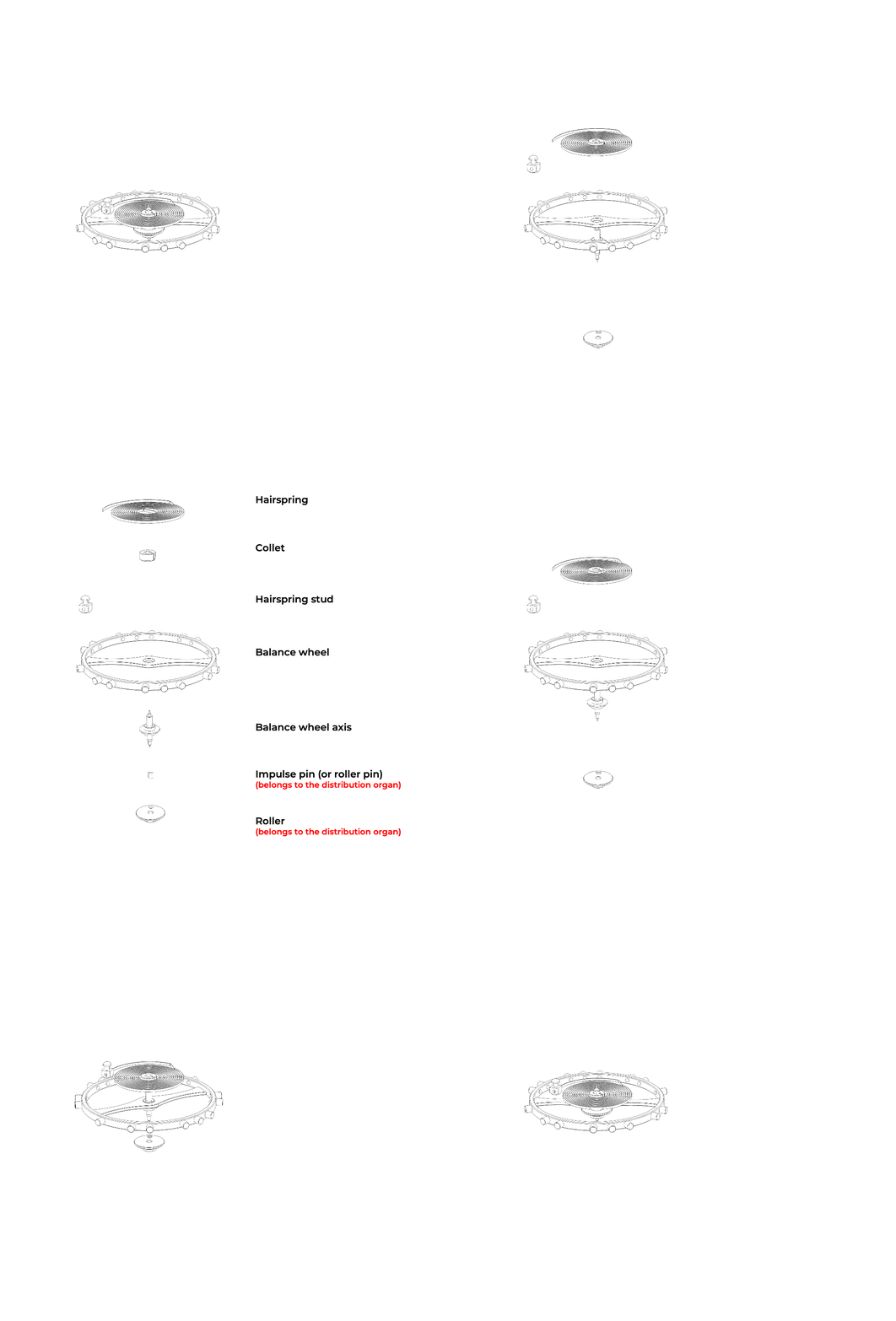
Figure 1: Exploded view of an assembled balance wheel
General description
This is the component that connects the hairspring to the balance wheel cock (Figure 1). Generally made of brass, the stud takes different forms depending on the design. In general, it consists of a usually cylindrical part that is drilled or slotted. The hole or slot accommodates the outer end of the hairspring, which is secured there by a brass pin, glued, or crimped.
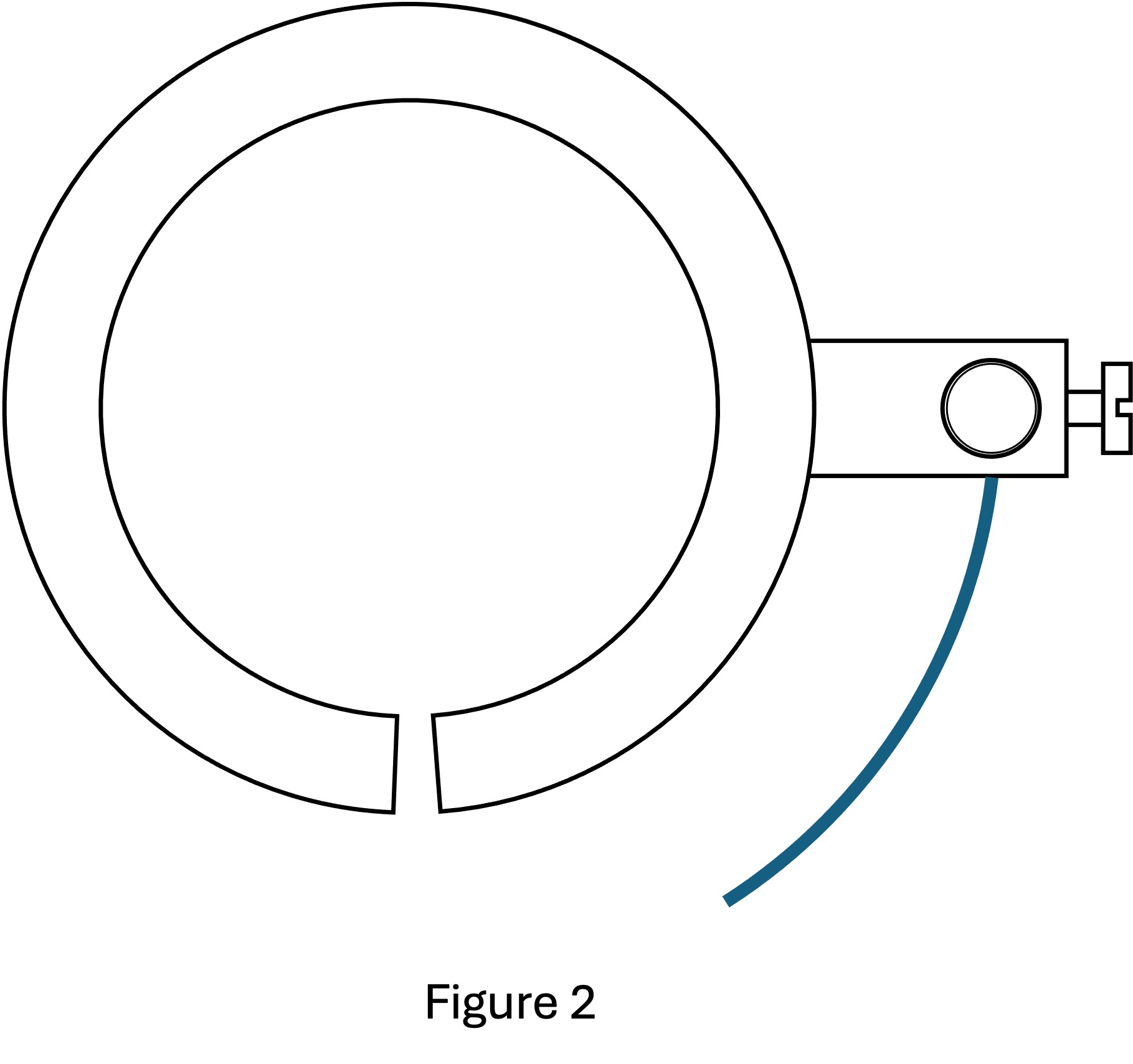
The upper part is fitted with a guide to ensure correct angular positioning when it is fixed to the balance cock. Depending on the design choices of the regulating organ, the stud is either fitted directly into the balance cock or held by an optional part of the regulator assembly: the movable stud holder (Figure 2). The latter may be fixed or movable to allow easier beat adjustment.
The classic pinned stud
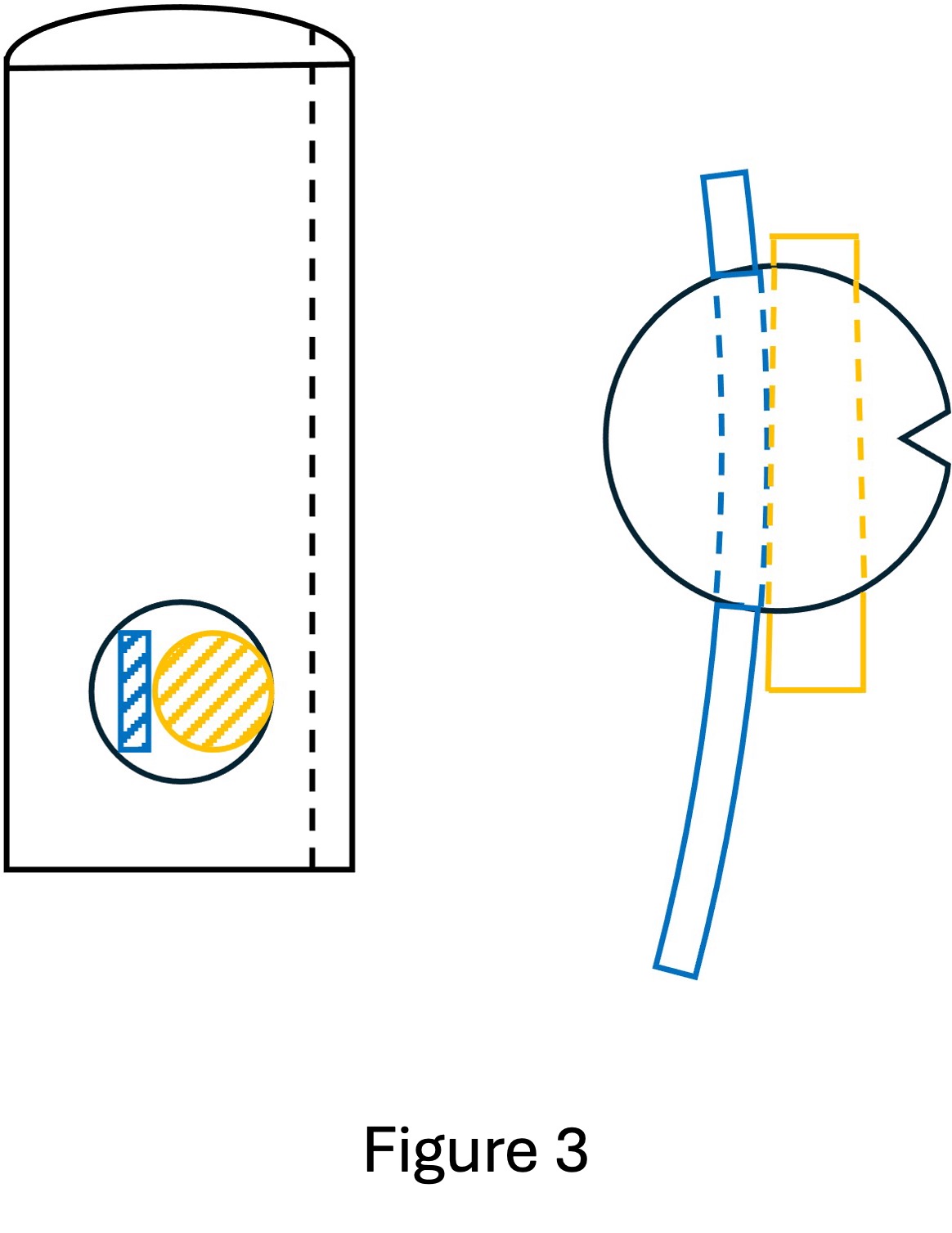
The outer end of the hairspring is inserted into a hole passing through the stud. The hairspring is firmly secured there by a tapered brass pin. This type of attachment allows the position of the stud on the terminal curve of the hairspring to be adjusted at any time (Figure 3).
The glued stud
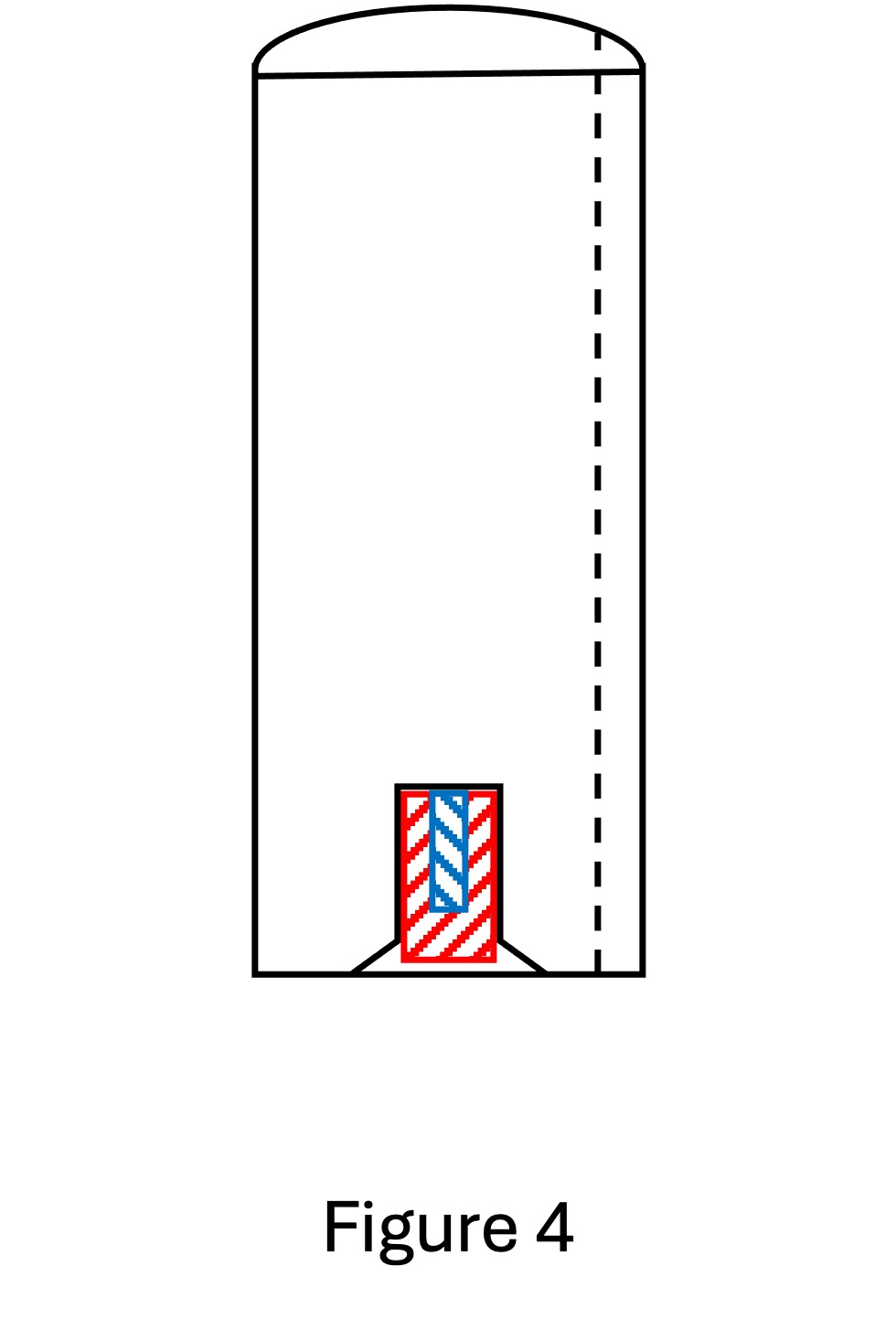
The outer end of the hairspring is inserted through a notch made under the stud and is glued in place. This is a common solution for mass-produced watches (Figure 4).
The Geneva stud
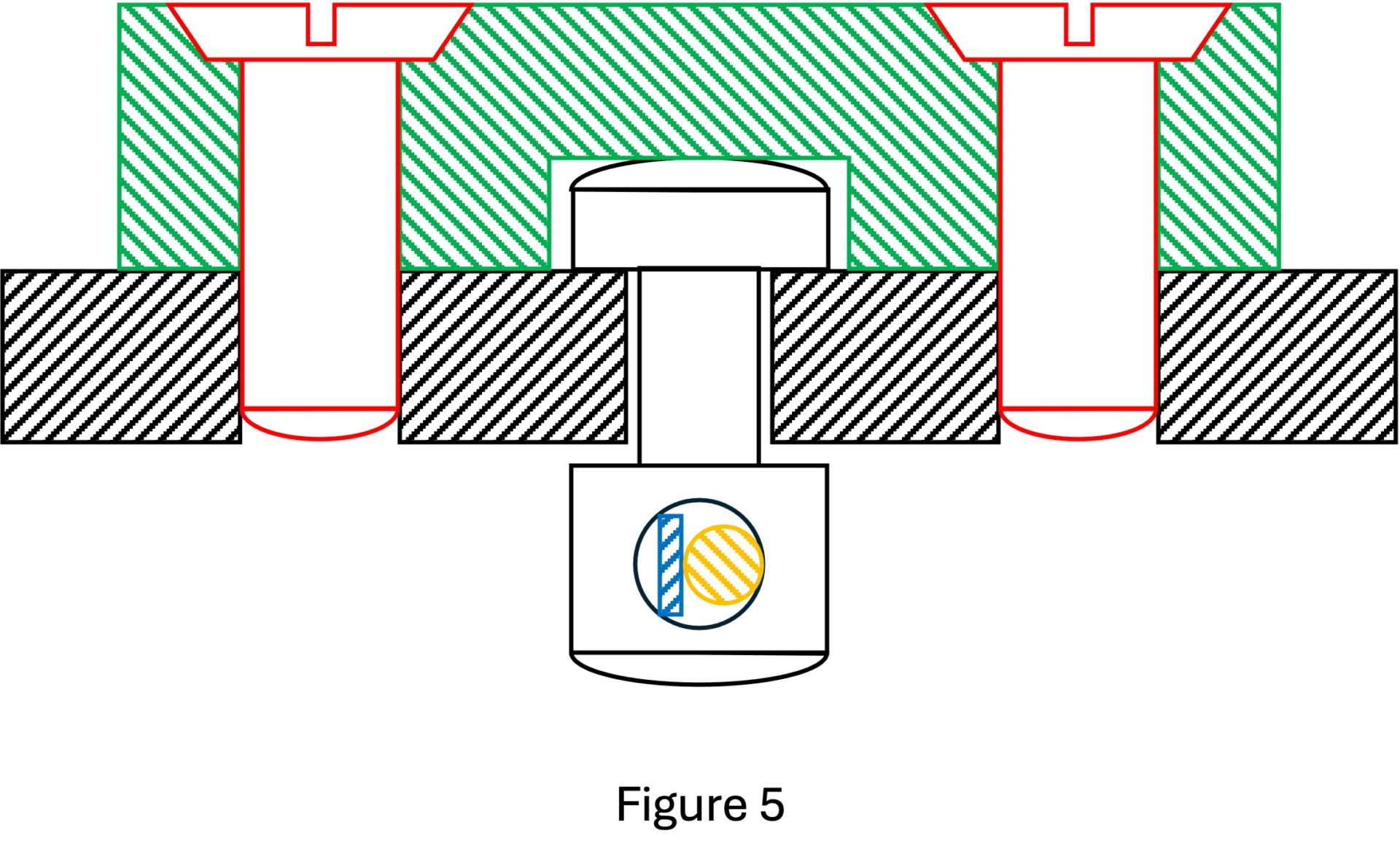
The Geneva stud is used in high-quality watches. It is suitable for both flat hairsprings and hairsprings with terminal curves such as Breguet or Phillips types. Like the classic stud, the hairspring is secured in it by a brass pin. Unlike the studs described previously, the Geneva stud is not height-adjustable. The regulator setup and the terminal curve must therefore be executed perfectly. Such studs may be integrated directly into the balance wheel cock (fixed stud) or mounted on a movable stud holder (Figure 5).
The stud is an easy component to manufacture, whatever its design.
Its design determines the tools and steps required for its production. In all cases, the manufacturing process remains simple, and the watchmaker’s standard tools are sufficient to make it.
The stud is an easy component to manufacture. A few machining operations (turning, drilling, milling) are sufficient, involving a production cycle of only a few seconds.