
LUBRICANTS
Lubrication is an essential operation in watchmaking. Without it, friction between mechanical parts leads to premature wear and rate variations.
Two main families of lubricants are distinguished: oils, which are fluid and light, and greases, which are more viscous and stable. Each lubrication point in a movement requires a specific lubricant, chosen according to the nature of the contact and the mechanical constraints involved.
Oils are used on pivots, bearings and gear trains. Their low viscosity allows precise application in very small quantities. Greases are better suited to surfaces subjected to high pressure, such as the cams and levers of the winding mechanism.
The quantity applied is just as important as the choice of product. Excess lubricant attracts dust and may migrate to sensitive areas. An insufficient quantity fails to provide the necessary protection.
Watch lubricants are formulated to resist ageing, temperature variations, and low loads. Their service life is limited, which justifies periodic servicing of the movement — generally every three to five years depending on the calibre.
GREASES
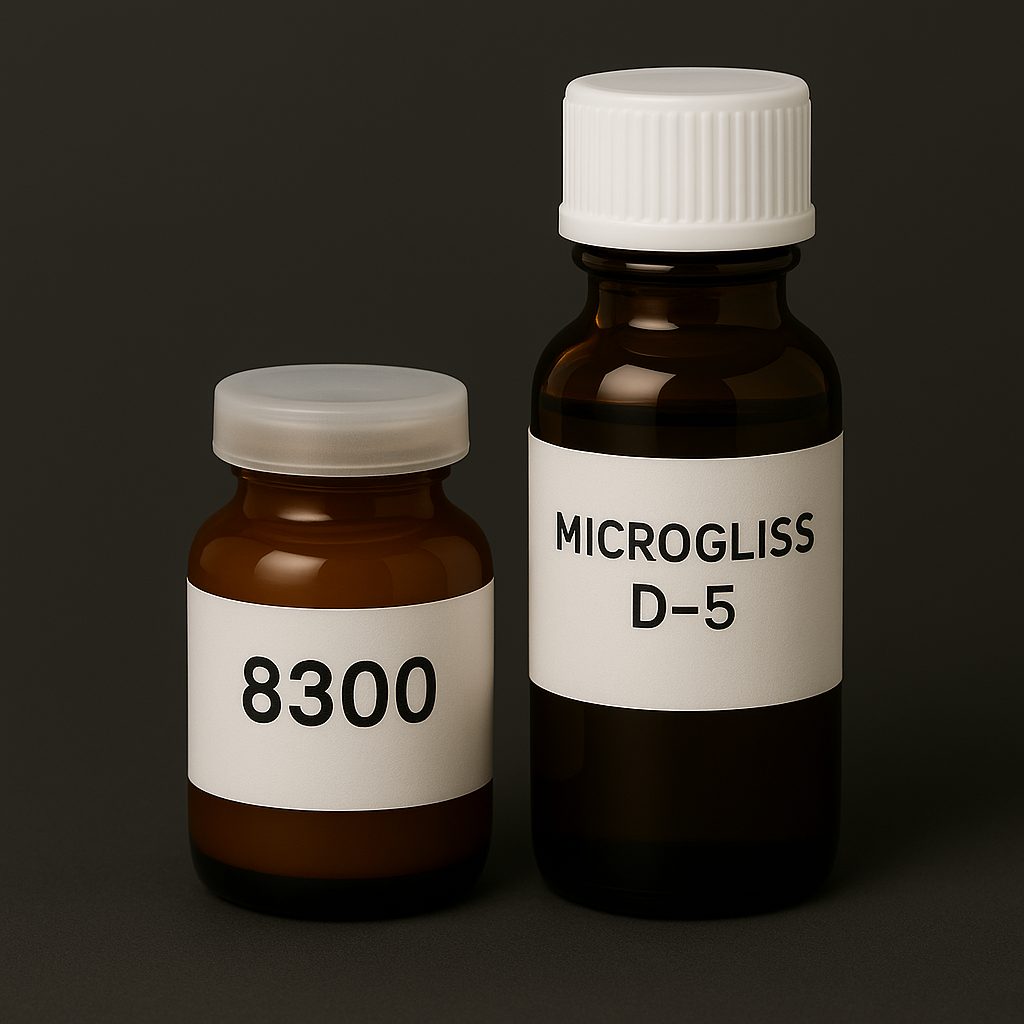
Greases are semi-solid lubricants used on contact points subjected to high pressures or slow movements. In a movement, they are applied mainly to the winding and setting mechanism, cams and levers. Their high consistency allows them to remain in place durably, without migrating to sensitive areas.
OILS
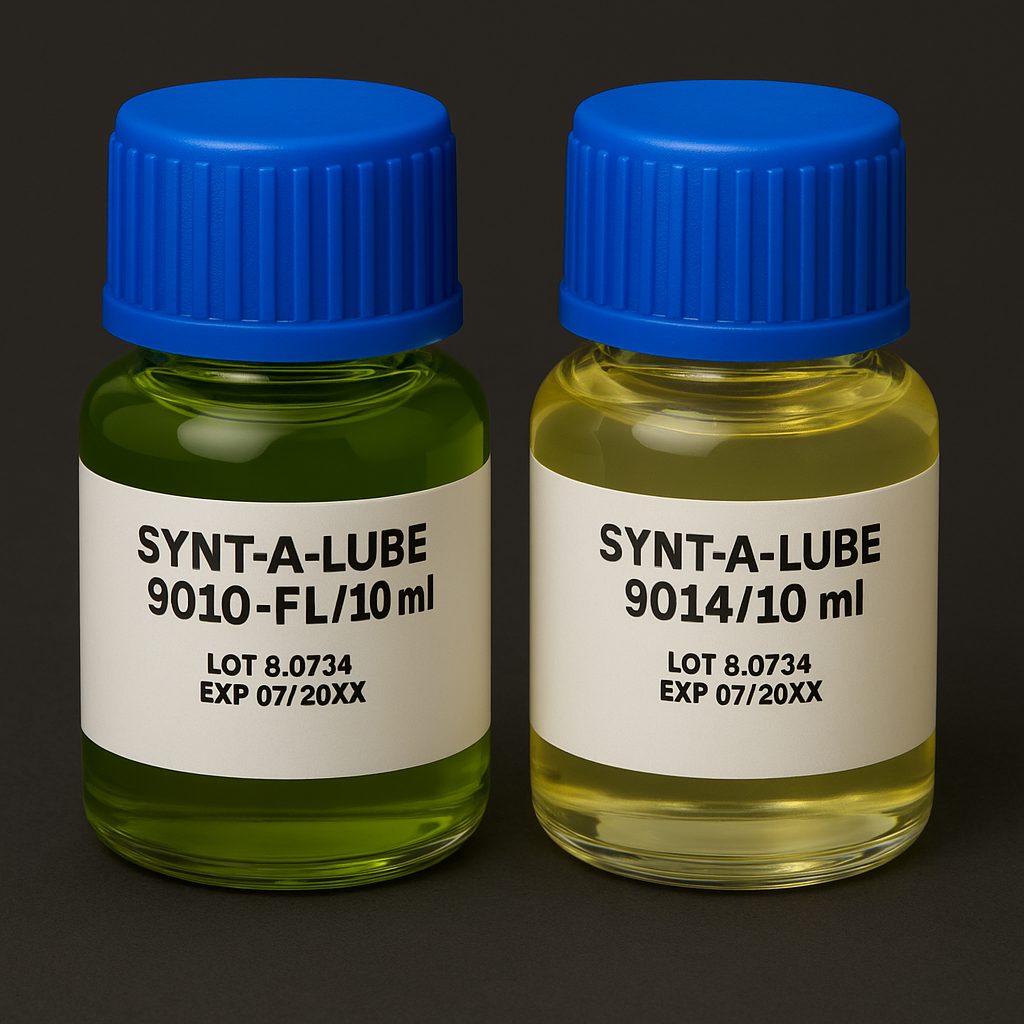
Oils are fluid lubricants applied in minute quantities to bearings, pivots and gear trains. Their low viscosity ensures precise flow and minimal friction. They are particularly essential to the proper functioning of the gear train, the regulating organ and the escapement.