
GAUGES
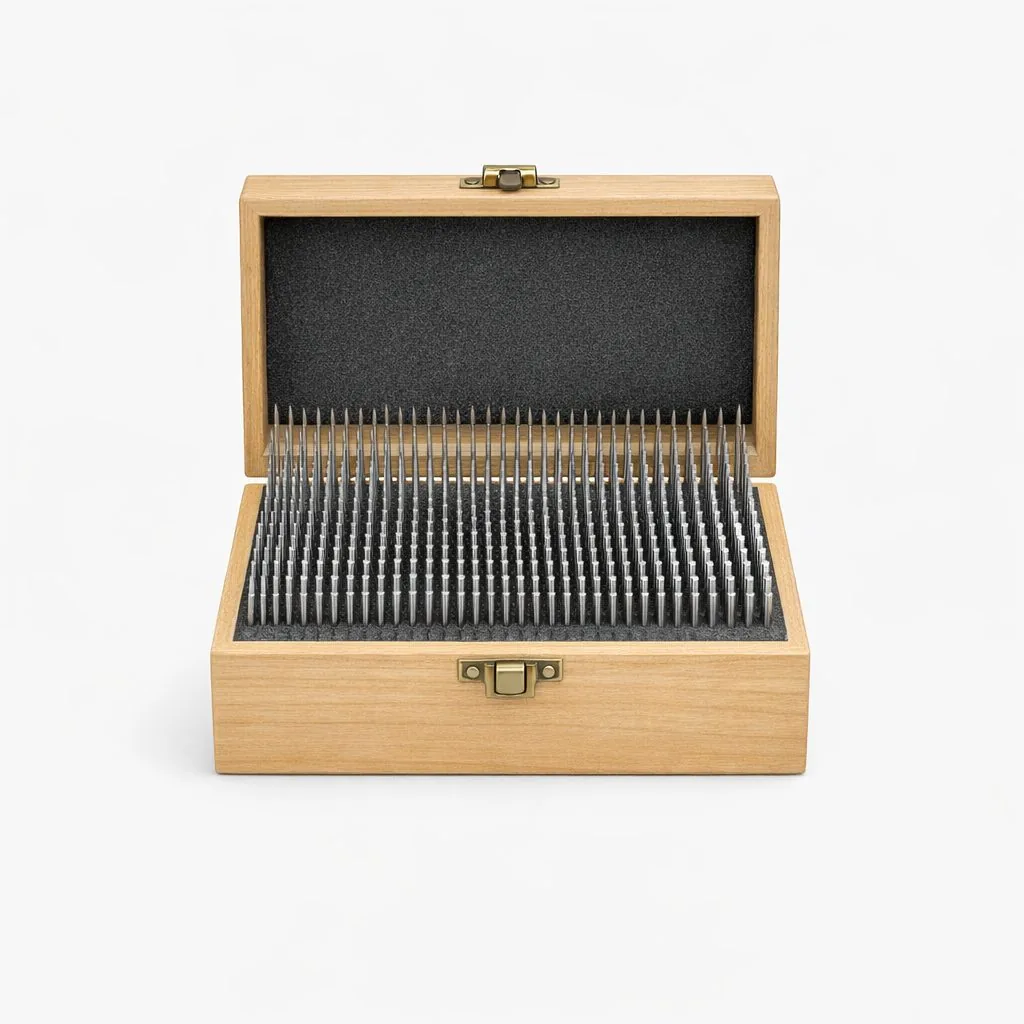
Pivot-gauges
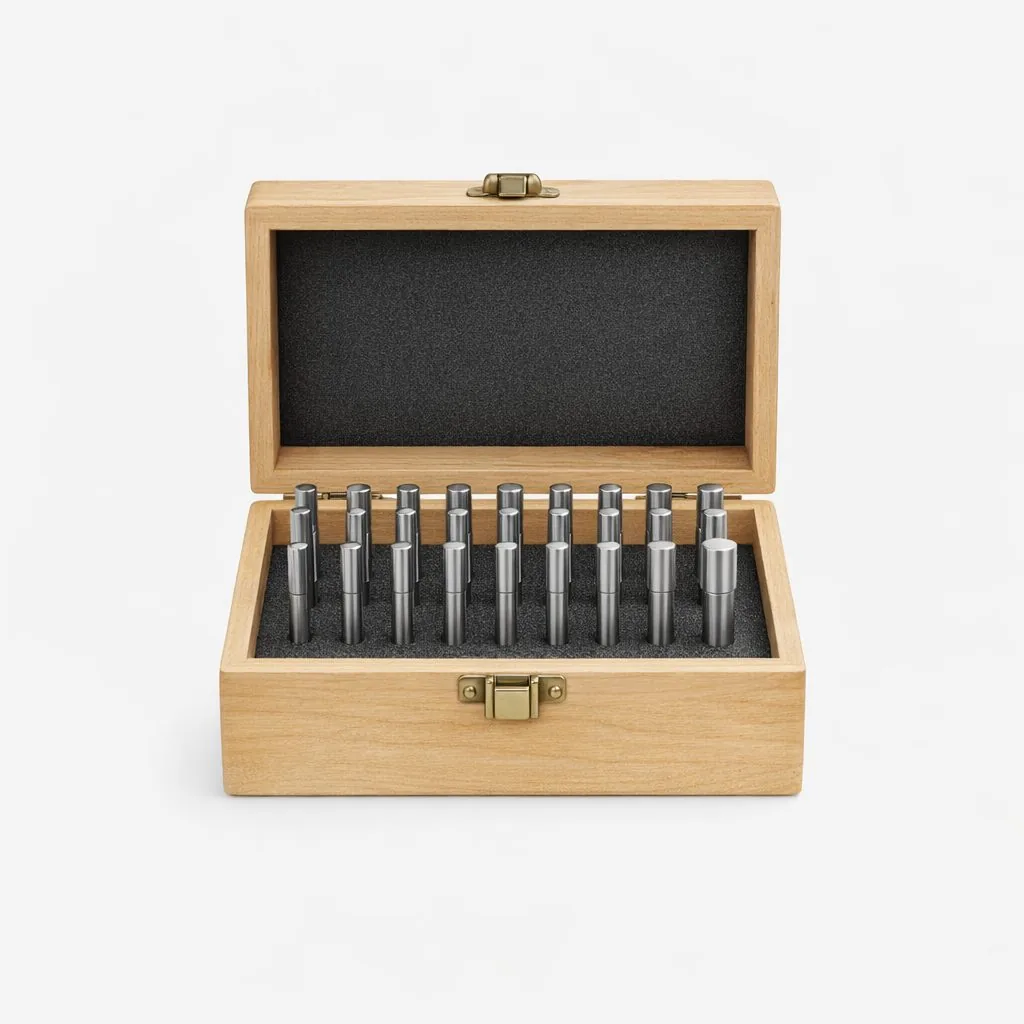
Plug gauges
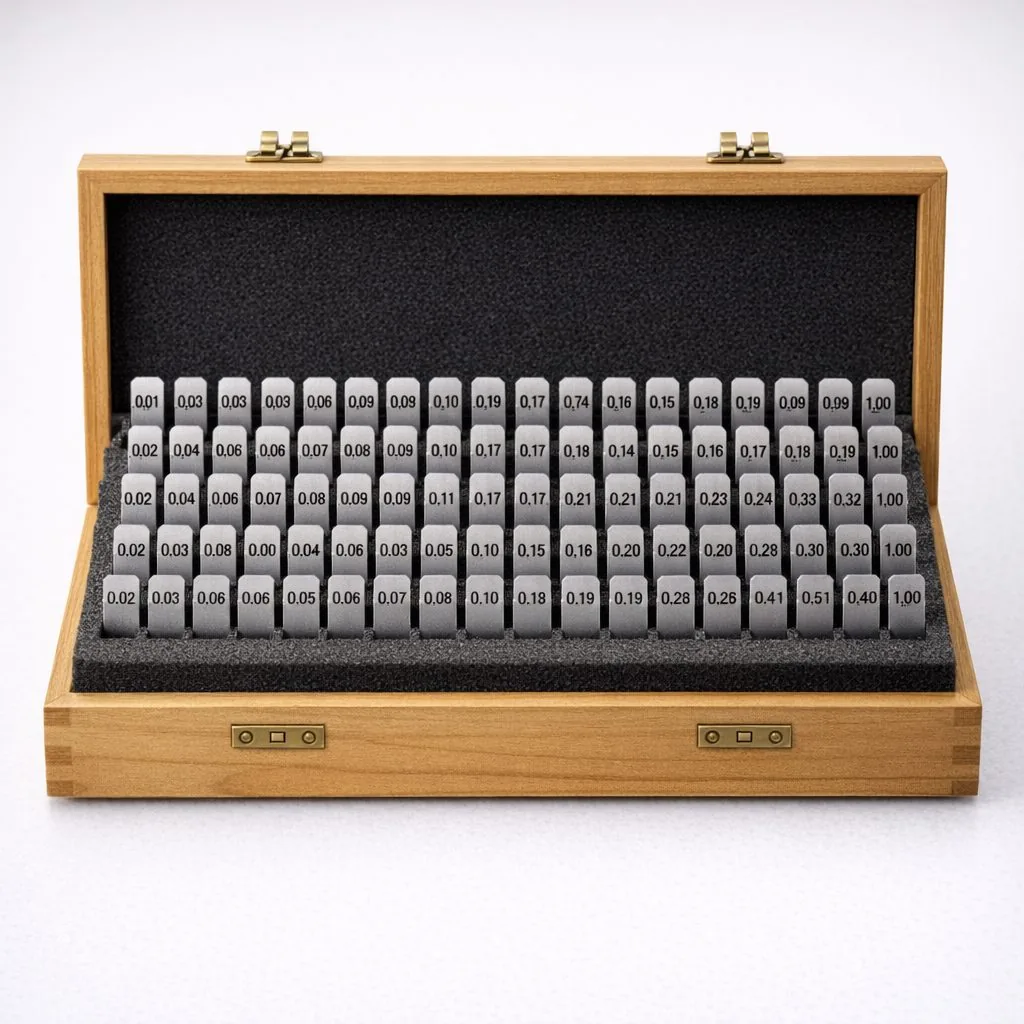
Thickness gauges
What are gauges used for?
Gauges are testing instruments used in horology to quickly and accurately check the critical dimensions of parts and components. They are used to compare a part to a determined standard dimension, without resorting to a precise numerical measurement, but by simple approval or rejection.
Function and use
In a horological (watchmaking) workshop, gauges are notably used to check:
- The diameter and shape of pivots (with pierced gauges),
- The thickness of parts (with thickness gauges),
- Specific sets or spaces (with thickness gauges),
- The inner diameter of holes (plug gauges) or bearings (pivot gauges),
- Or other standard dimensions essential to the assembly and operation of the movement.
They provide a quick quality assurance method, making it possible to check that parts conform to specifications before assembly or during final quality testing.
Types of gauges
-
Pierced gauges : These are tools in the form of discs, fitted with a high-precision reaming. They are used to check the accuracy of the diameter of pivots or a cylindrical component.
-
Pivot gauges : These are perfectly cylindrical parts machined and polished to a very precise diameter (generally 0.0025 mm). They are used to check the internal diameter of bearings in Ruby / Jewel or plugs.
-
Plug gauges : Like pivot gauges, these are perfectly cylindrical parts machined and polished to a very precise diameter. They are generally used to measure the diameter of a drilled hole or a reaming.
-
Thickness gauges : These are thin blades of different thicknesses, calibrated to precisely measure the thickness or gap between two parts. They are often available as a complete set of progressive blades for precise testing.
Materials and thermal properties
The gauges used in horology are made from specific metal alloys, often derived from stainless steel or special steels with low thermal expansion. This choice of material is essential to ensure the dimensional stability of the gauges, even in the presence of temperature variations.
The low coefficient of thermal expansion of these materials reduces the risk of deformation due to ambient heat or handling, which guarantees consistent and reliable measurements over time. This characteristic is particularly crucial in horology, where extremely tight tolerances are the norm and where small dimensional variations can affect the precision and operation of watches.
Importance in horology
Gauges are indispensable testing tools in horological manufacturing, regulation/adjustment, and maintenance processes. Thanks to their ease of use, high reliability, and the thermal stability of their construction materials, they allow for a quick and precise confirmation that parts meet the required dimensional tolerances. They effectively complement digital or vernier measuring instruments by providing pragmatic and rapid qualitative testing.
This page has been automatically translated from the French reference version using an artificial intelligence tool. Errors or inaccuracies may remain. If you notice any, especially if this is your native language, please do not hesitate to report them to info@horopedia.org. Your contribution helps us improve the quality of the encyclopedia.
Until they are translated, images and videos will temporarily remain displayed in French.
Thank you for your understanding.