
Table of the main properties of leather
| Property | Typical value | Notes |
|---|---|---|
| Density | ~0.8–1.0 g/cm³ | Lightweight |
| Elasticity modulus (E) | ~0.1–0.5 GPa | Very flexible |
| Tensile strength | ~10–30 MPa | Variable |
| Hardness | Low | |
| Thermal conductivity | Low | Insulating |
| Electrical conductivity | None | Insulating |
| Expansion coefficient | Variable | Sensitive to humidity |
| Magnetism | No | Non-magnetic |
| Corrosion resistance | Good | Sensitive to water |
| Machinability | Excellent | Easy to work with |
- General Description
- Types of leather used in watchmaking
- CITES Regulations
- Evolution towards alternatives
- Manufacturing of leather straps
- Watchmaking applications
- Advantages and limitations
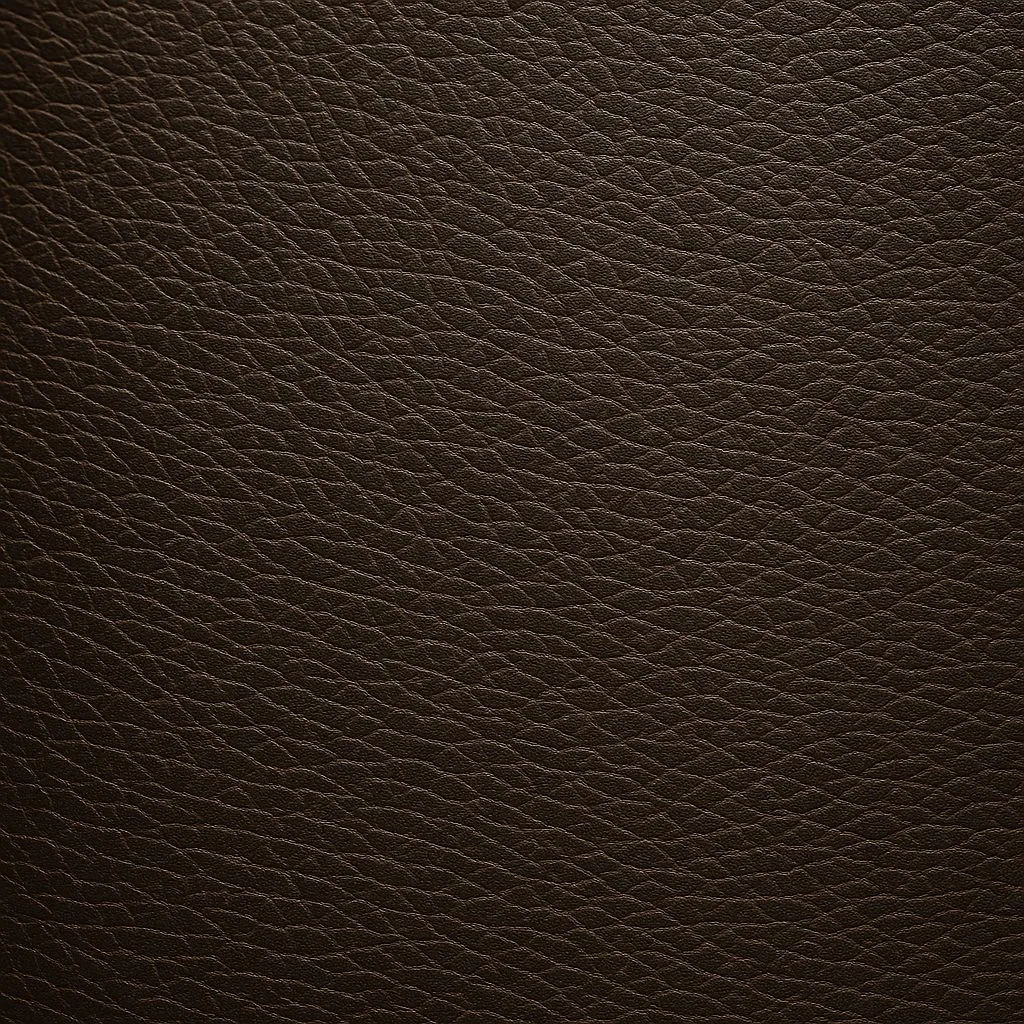
Leather is an organic material derived from the treatment of animal hides, used in watchmaking primarily for the manufacture of bracelets/straps. Valued for its flexibility, comfort, and aesthetic qualities, it is one of the most widespread traditional solutions for wearing watches.
Over time, the use of leather has evolved due to regulatory constraints, ethical considerations, and material innovations, giving rise to new alternatives, notably plant-based leathers.
Main properties
Leather has specific characteristics:
- Flexibility and comfort when worn
- Good mechanical resistance (depending on type and tanning)
- Breathable material
- Sensitivity to moisture and wear
- Evolving appearance (patina)
These properties make it a material suited for everyday use.
1. Classic leathers
- Calfskin → the most common
- Cowhide → sturdy
- Full-grain leather → high-end
Characteristics:
- Good durability
- High comfort
- Natural appearance
2. Exotic leathers (historically widespread use)
- Alligator / crocodile
- Lizard
- Ostrich
Characteristics:
- Distinctive aesthetics
- Unique texture
- High-end positioning
👉 Their use is now strictly regulated.
The trade of certain exotic leathers is regulated by CITES (Convention on International Trade in Endangered Species).
This regulation aims to:
- protect endangered species
- regulate international trade
- ensure materials traceability
👉 In watchmaking:
- Alligator or crocodile leathers remain allowed under strict conditions
- Certain exotic leathers are prohibited or very heavily restricted
- Specific documentation is required (CITES certificates)
1. Plant-based leathers (alternatives)
Faced with ethical and environmental challenges, new materials have emerged:
- Apple leather
- Pineapple leather (Piñatex)
- Grape leather
- Cactus leather
Characteristics:
- Non-animal origin
- Reduced environmental impact
- Aesthetic similar to leather
2. Synthetic materials
- Polyurethanes (PU)
- Technical textiles
👉 Used for:
- sports watches
- economical alternatives
The main steps are:
- Hide selection
- Tanning (vegetable or mineral)
- Cutting of pieces
- Multilayer assembly
- Stitching (often saddle stitch, machine, hand, etc.)
- Finishing (dyeing, varnishing, embossing)
A Bracelet / Strap can be composed of several layers:
- outer leather
- internal reinforcement (core)
- lining
Leather is used almost exclusively for:
- Bracelets / Straps of watches
Advantages
- High comfort
- Warm aesthetics
- Wide variety of textures
- Lightweight
- Natural material
- Develops patina over time
Limitations
- Sensitive to water and humidity
- Progressive wear
- Limited lifespan
- Regulatory constraints (CITES)
This page was automatically translated from the French reference version using an artificial intelligence tool. Errors or inaccuracies may remain. If you notice any, especially if this is your native language, please feel free to report them to us at info@horopedia.org. Your contribution helps us improve the quality of the encyclopedia.
Pending their translation, images and videos remain temporarily displayed in French.
Thank you for your understanding.