
THE MACHINES
From centuries-old manual Bench machines, still often used in some contemporary workshops, to the most sophisticated digital machines combined with advanced technologies, this chapter aims to list all the machines used in the watchmaking process. The operating principles of each machine, their advantages and disadvantages, as well as the Materials they use, are detailed here for a better understanding of how watches work and how they are made.

THE FIXED GRAVER
This term refers to a type of manually driven Bench Lathes, particularly appreciated for machining the contours and recesses of the bridges and the plates.
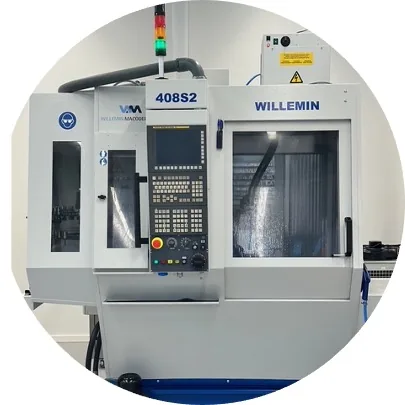
MACHINING CENTERS
This is a large family of machines capable of autonomously carrying out a defined sequence of machining operations using different tools. Machining centers appeared in the 1980s with the arrival of computing and are therefore CNC (Computer Numeric Control) machines
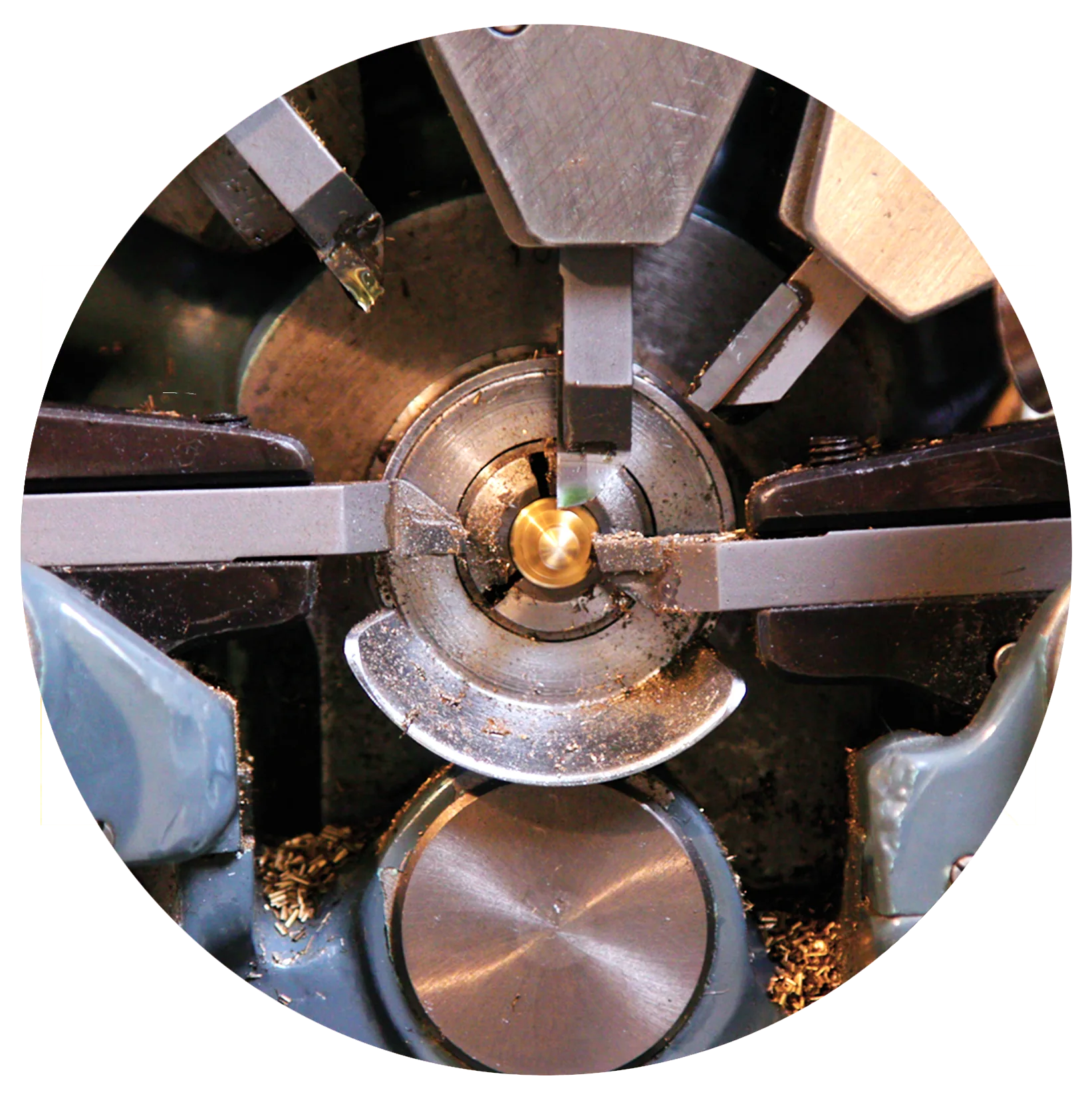
THE AUTOMATIC LATHE
The Automatic lathe is a lathe Automatic. It appeared at the dawn of the 20th century and its automation was then mechanically controlled by cam systems. Since 1980, electronics and computing have made it possible to digitally control automatic lathes in a fully autonomous manner.
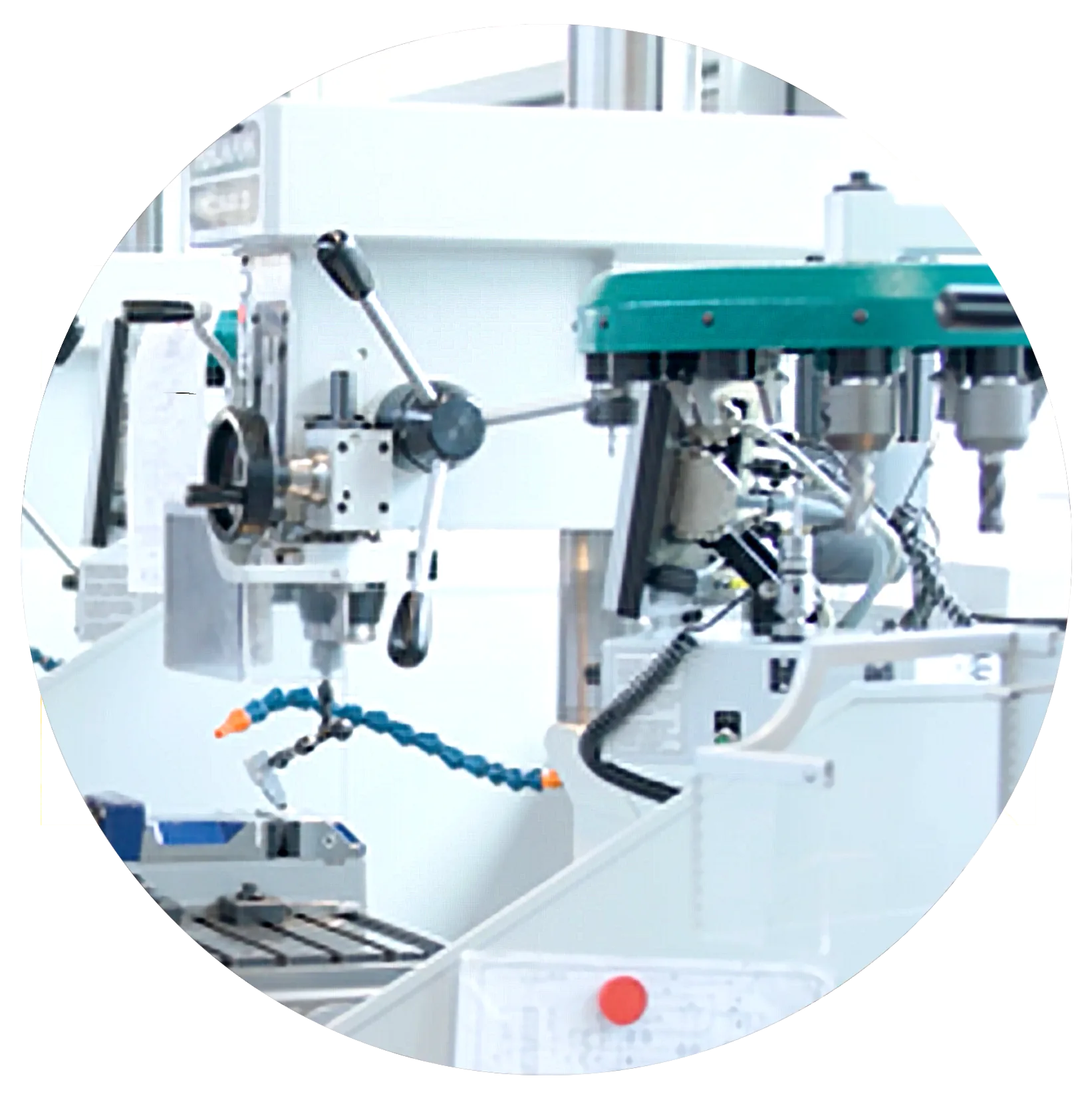
THE MILLING MACHINE
The milling machine is a motorized machining tool, equipped with a movable rotating spindle carrying the cutting tool (the milling cutter), whose shape is adapted to the operation assigned to it.
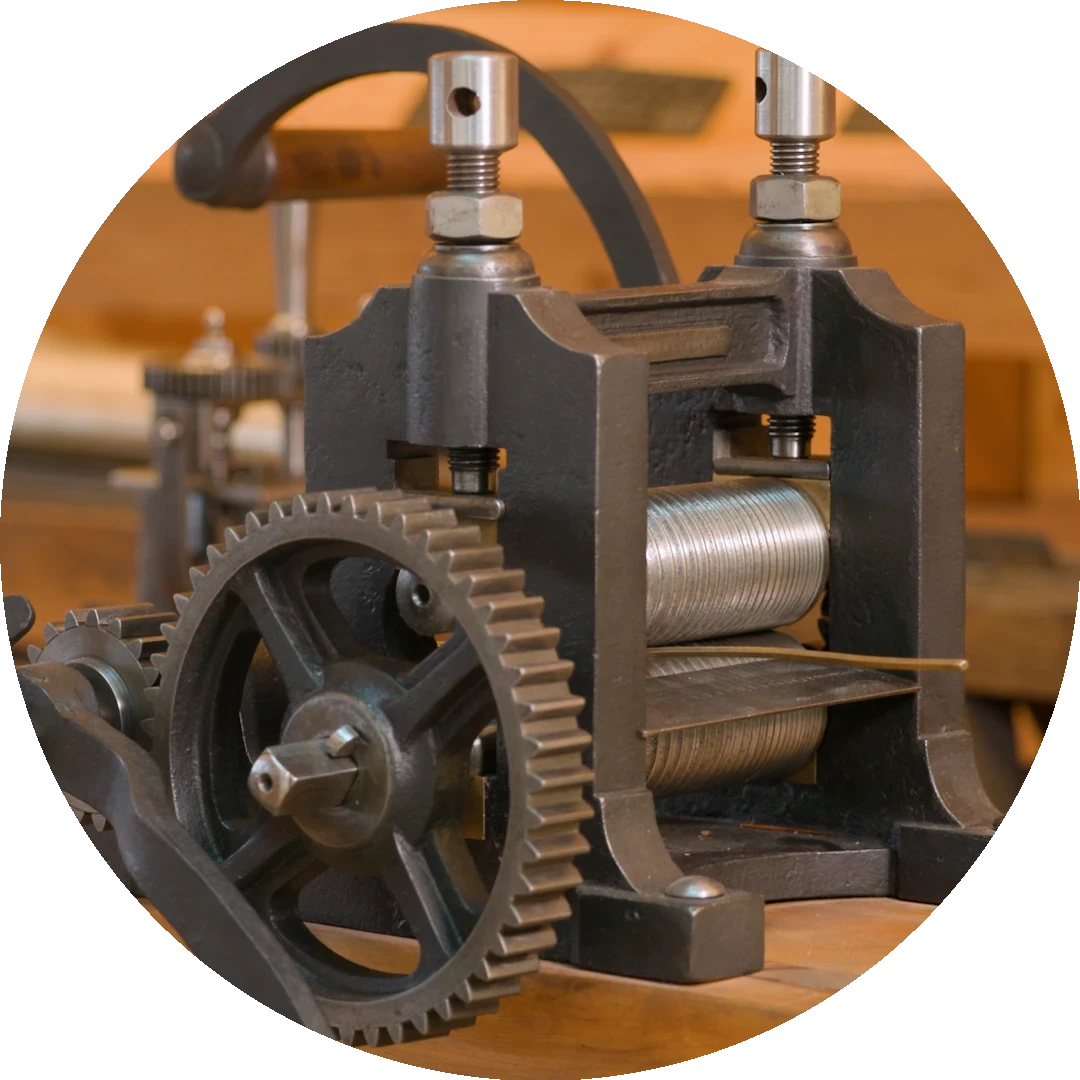
THE ROLLING MILL
The rolling mill is a machine that reduces the thickness or diameter of a metal by passing it between two rotating cylinders exerting controlled pressure. It makes it possible to obtain strips, wires or profiles with precise dimensions, subsequently used for the manufacture of watchmaking components.
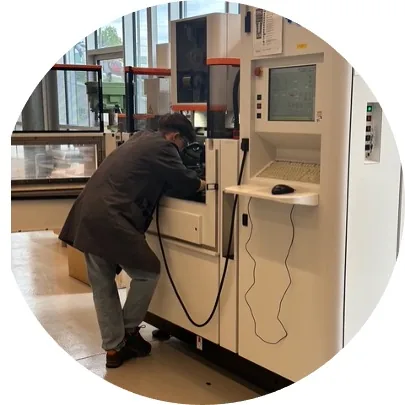
THE WIRE ELECTRICAL DISCHARGE MACHINE
This is a machine for cutting the profile (outline) of components. The electrical discharge machine cuts electrically conductive materials by burning the material through a controlled electric arc. It is prized for cutting complex profiles, thin and brittle components (springs), as well as for small series and prototyping. Only materials that conduct electricity are eligible for this technology.
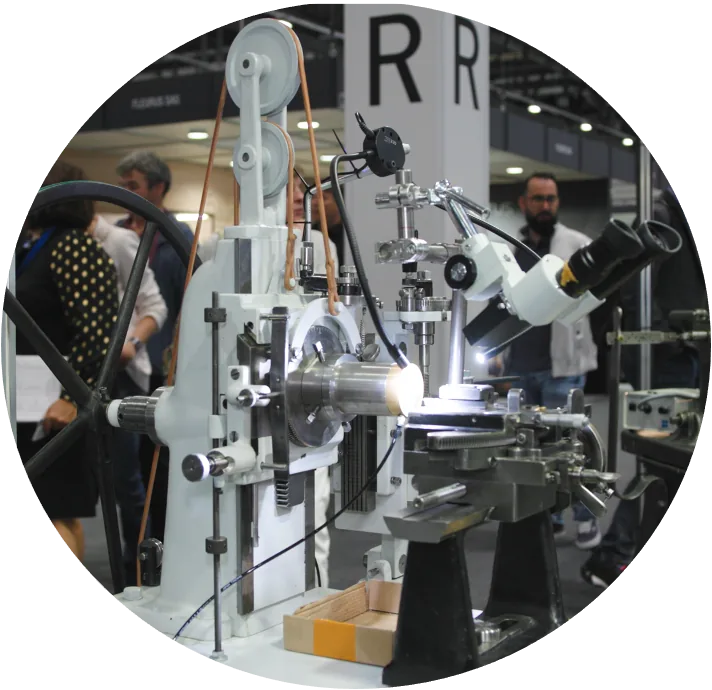
THE “STRAIGHT LINE”
The straight line is a traditional mechanical instrument used in guilloché (engine-turning) for engraving linear and repetitive geometric patterns on metal surfaces, notably on dials and watch cases. Appearing during the 18th century, this machine relies on a system of cams, levers and carriages allowing the controlled movement of a graver along a straight path.
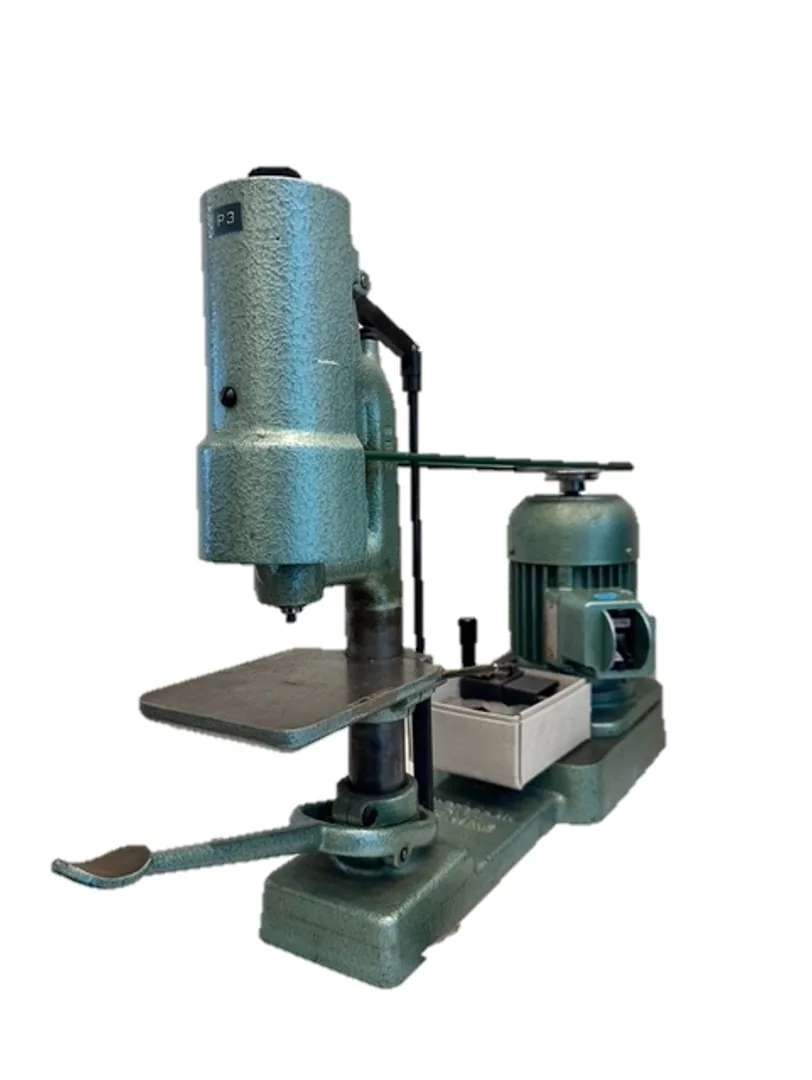
THE DRILL
Watchmaking essentially uses column drills of various sizes and degrees of sophistication depending on their use. In addition to drilling, they are commonly used for tapping or decoration.
STAMPING PRESSES
Stamping presses are used to cut, stamp and bend the material (generally metal) using a die and a punch. Stamping presses can be operated manually or hydraulically. Depending on their design and intended use, hydraulic presses can be automated to carry out sequences of operations through successive strikes (progressive Stamping).
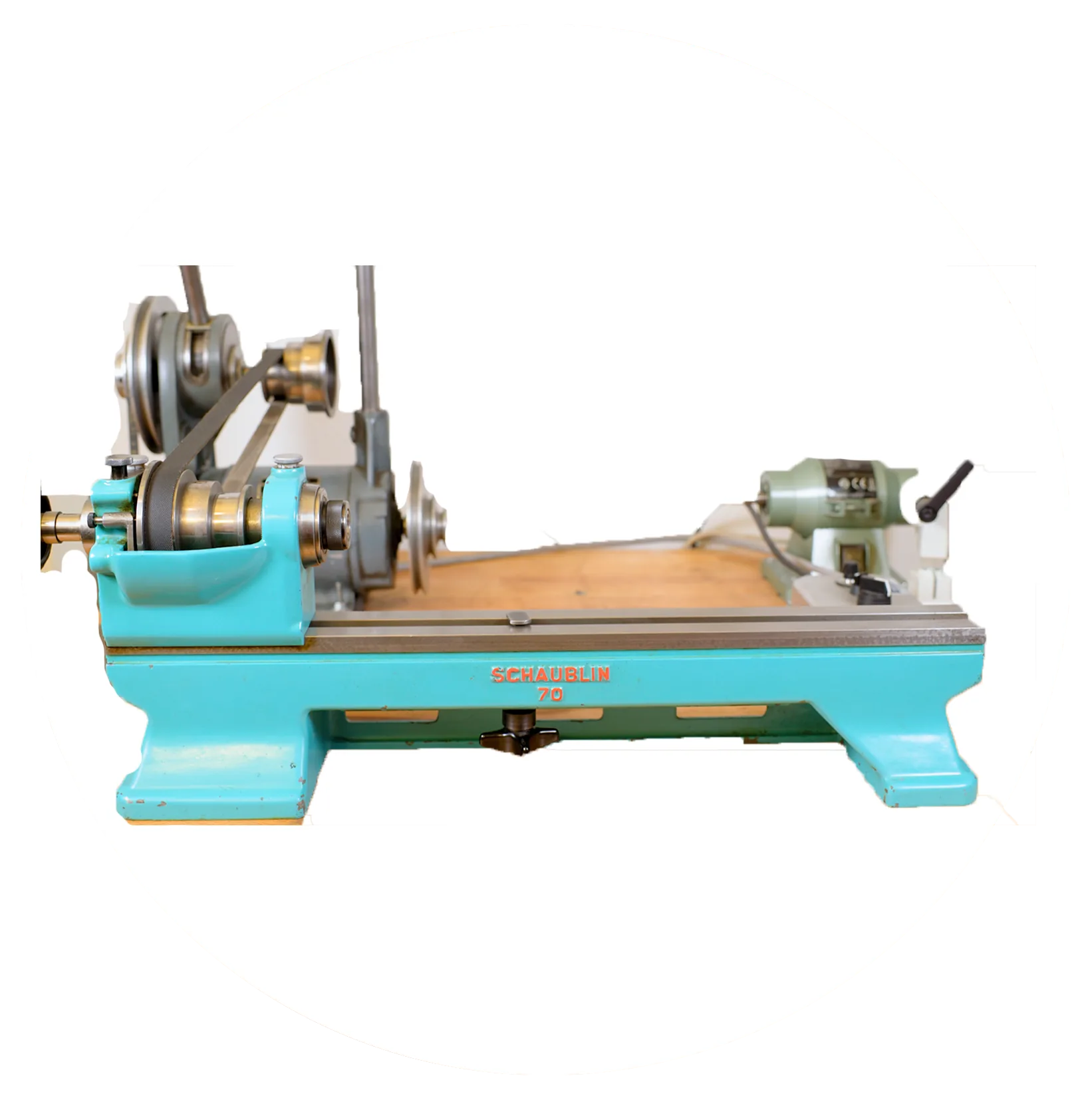
LATHES
Manual or motorized, Lathes are machining tools primarily used for manufacturing circular parts.
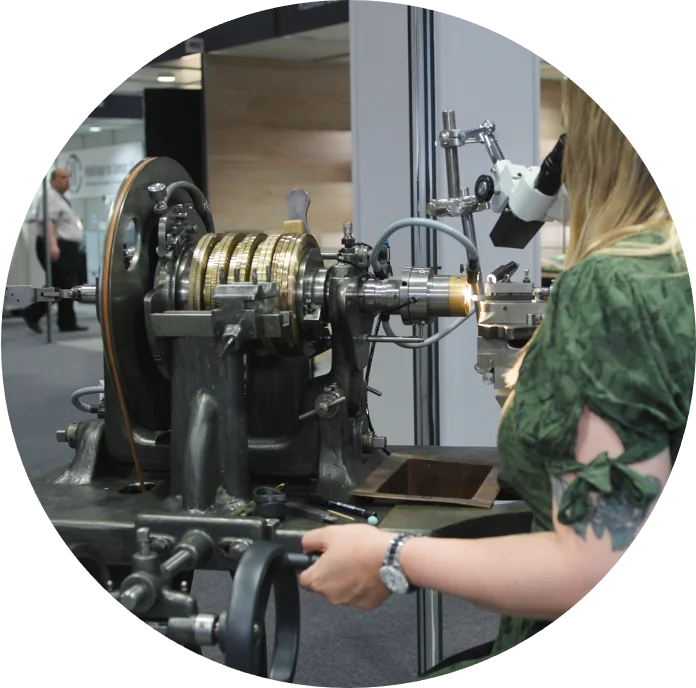
THE ROSE ENGINE (GUILLOCHÉ LATHE)
This is a manually operated machine, designed to engrave concentric geometric patterns. The Graver is guided by a combination of cams that the guilloché engraver combines to define the pattern of the engraving. Historically, Guilloché (engine-turning) is a decoration applied mainly to backs of case as well as dials.
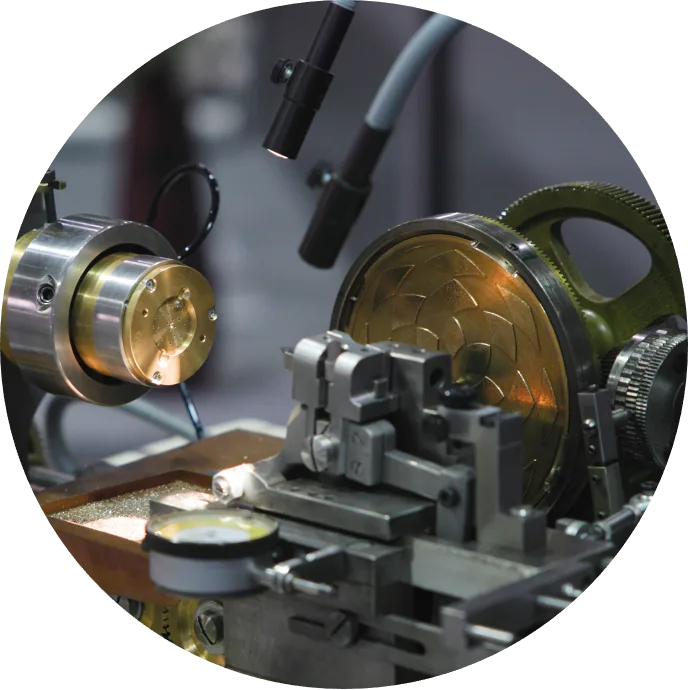
THE TAPESTRY LATHE
The tapestry lathe is a mechanical guilloché (engine-turning) machine, mainly used to reproduce complex decorative patterns on dials or case backs. This tool stands out for its unique ability to faithfully reproduce figurative patterns engraved on a die, called tapestry patterns, which give the technique its name.
This page has been automatically translated from the French reference version using an artificial intelligence tool. Errors or inaccuracies may remain. If you notice any, especially if this is your native language, please feel free to report them to info@horopedia.org. Your contribution helps us improve the quality of the encyclopedia.
While awaiting their translation, images and videos remain temporarily displayed in French.
Thank you for your understanding.