
THE DIAL AND THE DISPLAYS
The dial is a plate that occupies the entire surface of the movement or a part of it. It is the fixed element of the display.
Besides reading the time, the dial can serve as a support to display any type of information (date/calendar, power reserve, second time zone, etc.). It is the most visible and most looked-at element of a watch, which is why it is often referred to as the “face” of the watch.
Protected by the case and the crystal (watch glass), it can be shaped from an infinite variety of materials (metal, stone, synthetic materials, wood, sapphire, etc.) or combinations of materials. However, there are many other ways to display the time or other indications (rollers, discs, spheres, etc.).
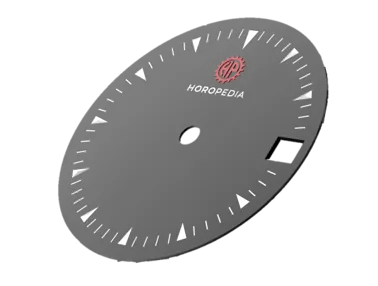
THE DIAL
The dial is a plate attached to the main plate. The different hands move above its surface, following their dedicated scale (analog display). In some cases, a window is opened through the dial (aperture) and reveals a digital value printed on the indicator (usually a disc), which is itself located under the dial and is directly driven by the movement (digital display). Analog display is generally used to indicate the time. The date is usually displayed on a digital display (disc-aperture).
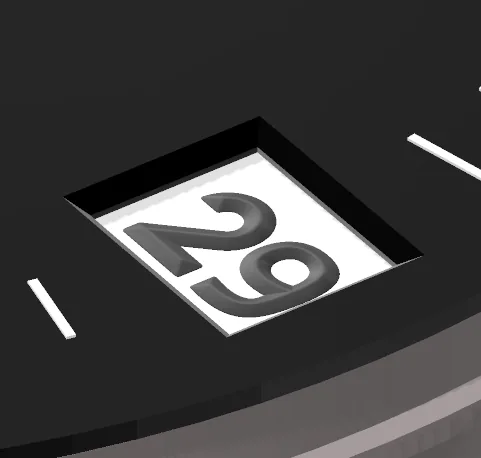
THE APERTURE / WINDOW
This opening on the surface of the dial allows the value of the information provided to be read digitally. Hours, minutes, Date / Calendar, second time zone, almost all of a watch’s information can be displayed in this way. Generally rectangular in shape, the aperture / window can open in various forms depending on the type of information (the “crescent” of a moon phase, the days-of-the-week sector, etc.).
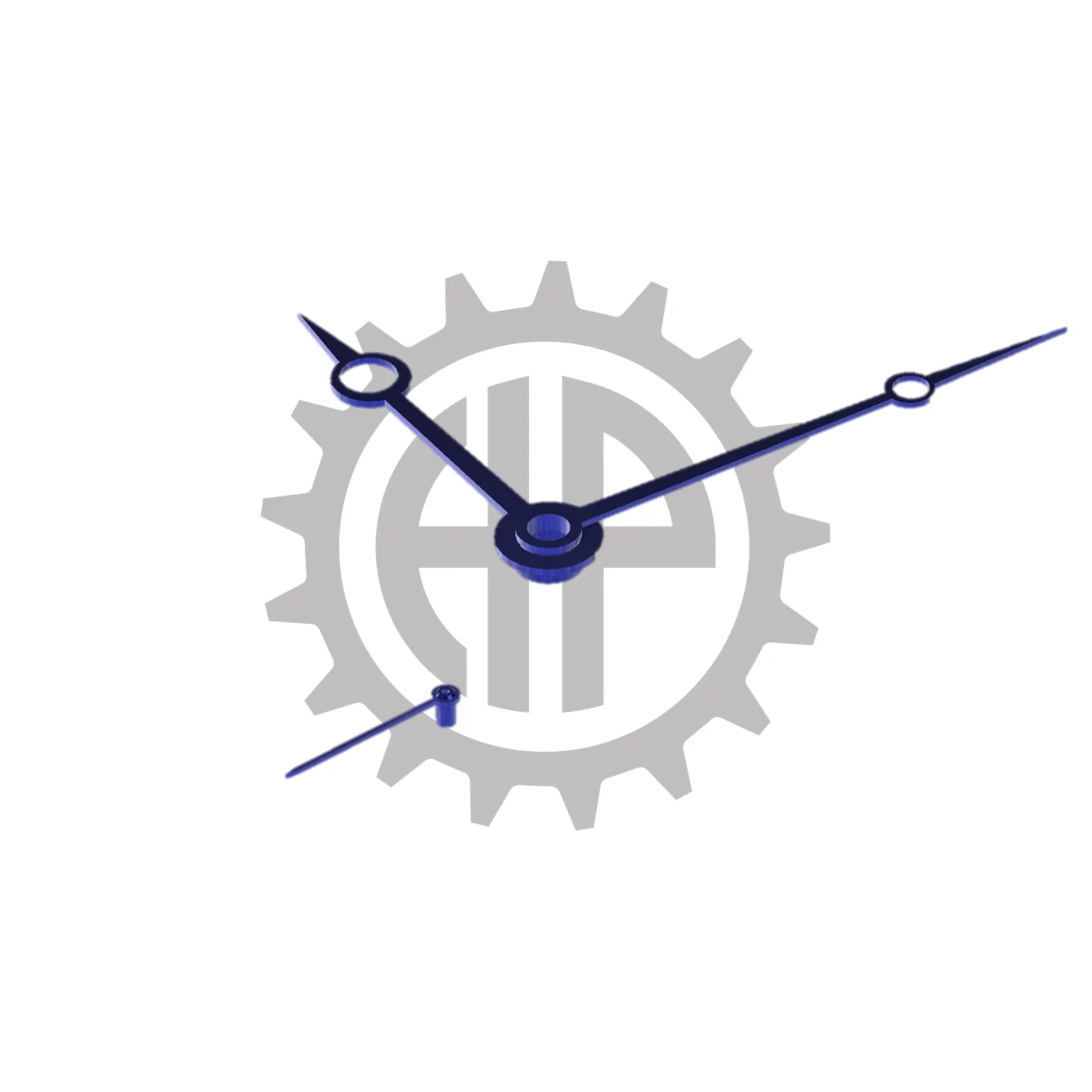
THE HANDS
The hand is a pointer whose tip moves circularly (e.g. the minute hand), linearly or randomly (e.g. the hand of a power reserve indicator), the graduated scale dedicated to it, which is most often printed on the surface of the dial. Being the most visible elements par excellence, hands can be made from various materials and present an almost infinite variety of shapes.
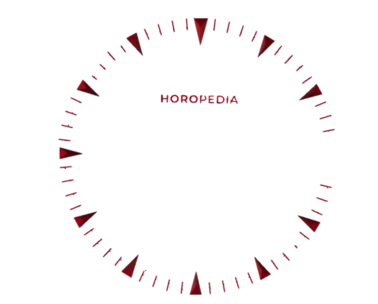
INDEX
The index (hour marker) is a guide mark, a non-numerical element of a graduated scale. For example, many dials do not display the numerical value of the hour (the digits 1 to 12), but simply twelve distinct marks (the indexes). An index (hour marker) can be printed (transferred) or appear as an applied marker.

APPLIED MARKERS
The applied marker is an indicative or decorative element applied to the surface of the dial. It can be a numeral, an index (hour marker), the frame of an aperture / window, or the manufacturer’s mark, to name just a few examples. The applied marker is attached to the dial by feet driven into it, or simply glued to its surface. In most cases, the applied marker is metallic. However, it can be made of any material or take the form of a set chaton (jewel setting).
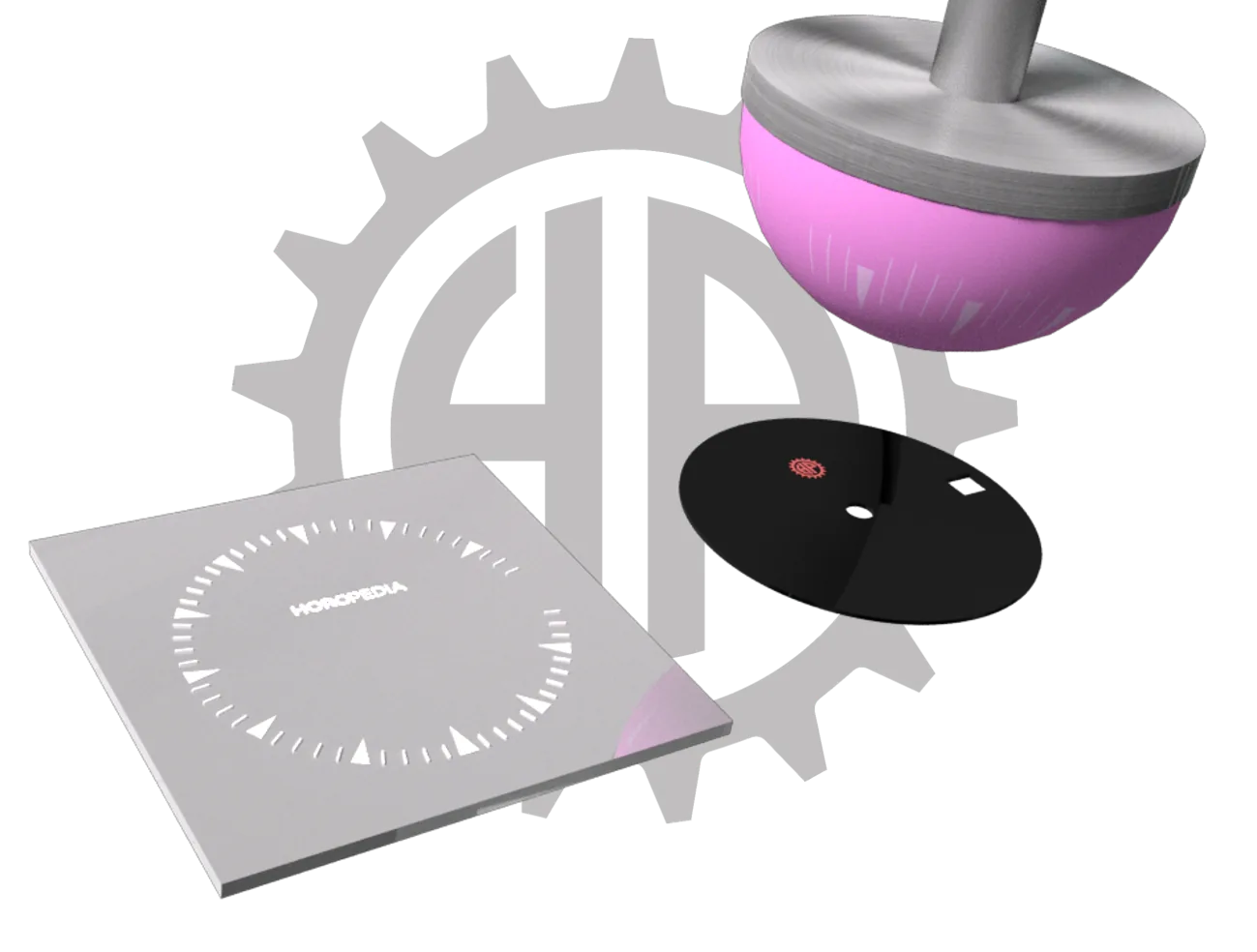
PAD PRINTING (OR TRANSFER)
Pad printing is an indirect transfer printing process. It allows all the information on a dial (brand, numerals, graduations, decorative elements, etc.) to be printed, as well as discs, chapter rings, and even crystals (watch glass). A steel die is chemically etched with the markings to be printed. Ink is then deposited into the recesses of the die’s engraving. The pad is then applied to this impression and transfers the ink from the die onto the surface of the dial.
This page has been automatically translated from the reference French version using an artificial intelligence tool. Errors or inaccuracies may remain. If you notice any, especially if this is your native language, please feel free to report them to us at info@horopedia.org. Your contribution helps us improve the quality of the encyclopedia.
Pending their translation, images and videos remain temporarily displayed in French.
Thank you for your understanding.