
TOOLS, MACHINES, ADDITIVE MANUFACTURING & LUBRICANTS
While many of today’s craftsmen reproduce the same gestures and use the same tools as their 18th-century ancestors, tools and machines have continued to evolve throughout history. By replacing hydraulic power, electricity multiplied production rates and capacities and allowed brands to leave the banks of waterways.
The end of the 19th century and the industrial era brought about one of the greatest revolutions watchmaking has ever known: the interchangeability of components. This concept made it possible to industrialize production, reducing costs while improving the reliability and durability of watches. To achieve this, machines had to become more precise and automated. Finally, the computer age has established itself in all areas of watchmaking application and continues to contribute to their growth.
Whether they are century-old tools or the most “intelligent” and automated machines, neither has any use or skill without the women and men who control them.
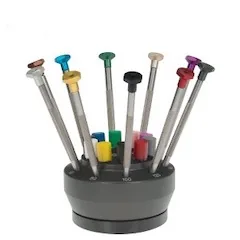
HAND TOOLS
They are most often found on the Bench of the Horologist (watchmaker) or the craftsman. They require no energy other than that of the craftsman’s hand. Tweezers and Screwdriver are the most common, but there is a multitude of tools dedicated to specific uses. It is common for the craftsman to make a tool that does not exist himself or to modify it when it does not fully meet his needs.
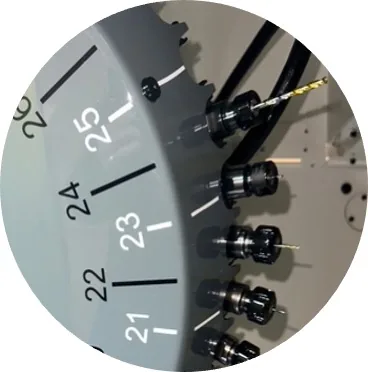
CUTTING TOOLS
These are tools designed to shape a workpiece by removing material (drilling, turning, milling). They can be mounted on a hand tool (chuck, pin vise) or on a machine (Lathe, Milling machine, Automatic lathe, Drill etc.)
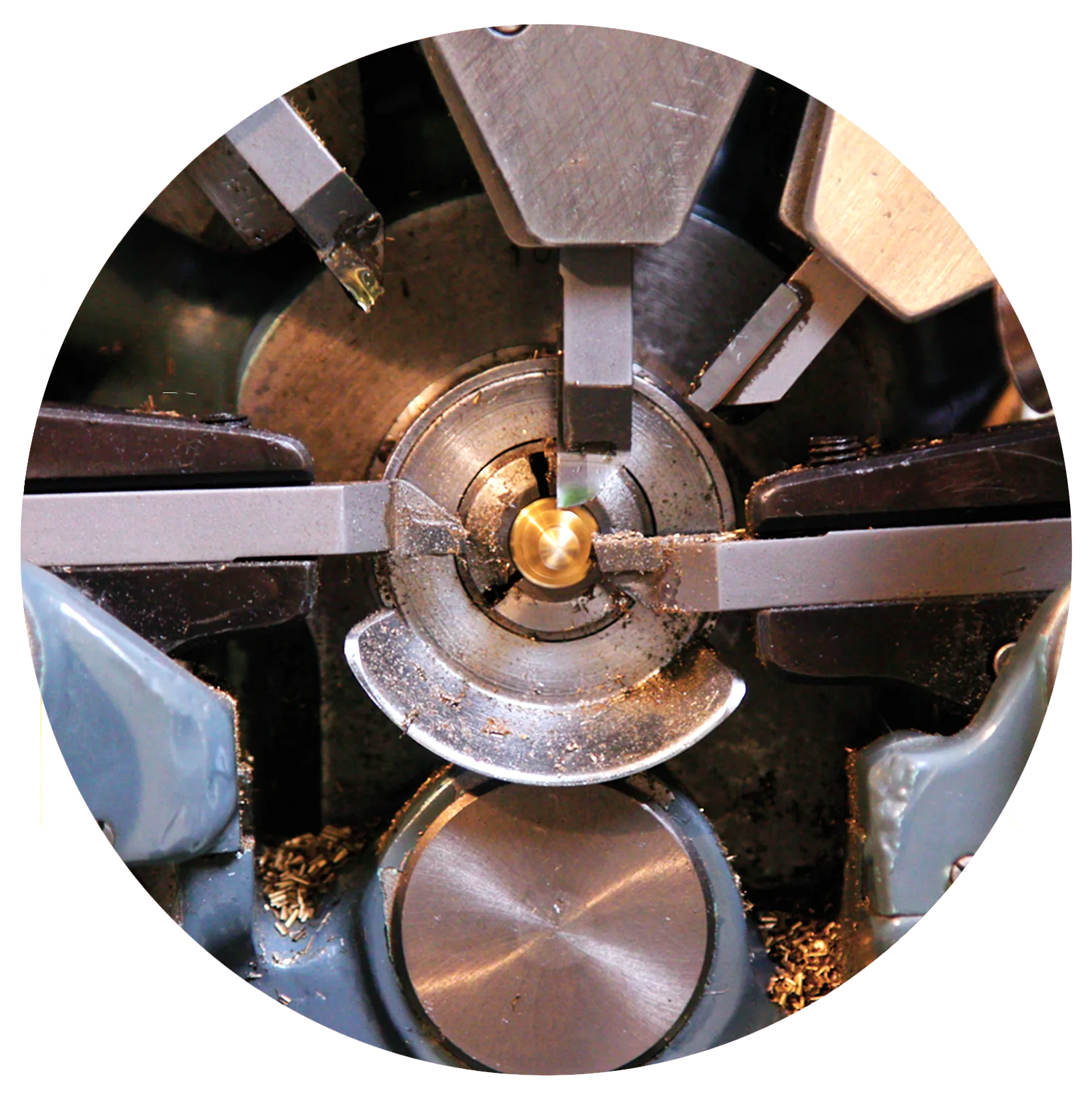
MACHINES
This section aims to list all the machines that can be used in watchmaking, whether artisanal and manual or industrial and computer-controlled.
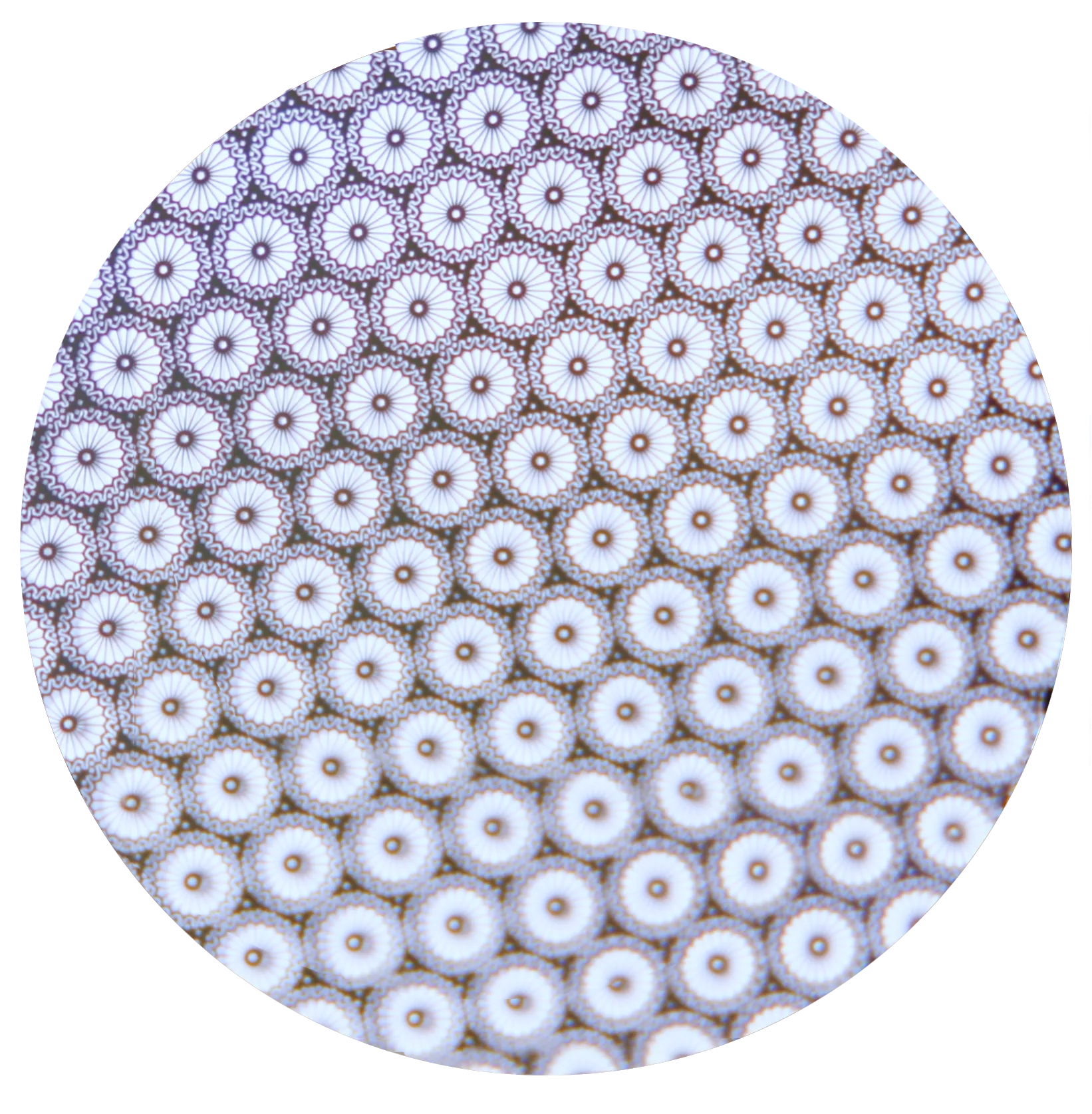
ADDITIVE MANUFACTURING AND DRIE (Deep Reactive Ion Etching) ENGRAVING
Since the last decade of the 20th century, new technologies have been revolutionizing or are about to revolutionize the manufacturing of certain watchmaking components. Very often, new alloys, or previously unseen Materials are associated with them. Although frequently involving complex equipment, this chapter explains their manufacturing processes rather than the various machines or equipment they require.
LUBRICANTS
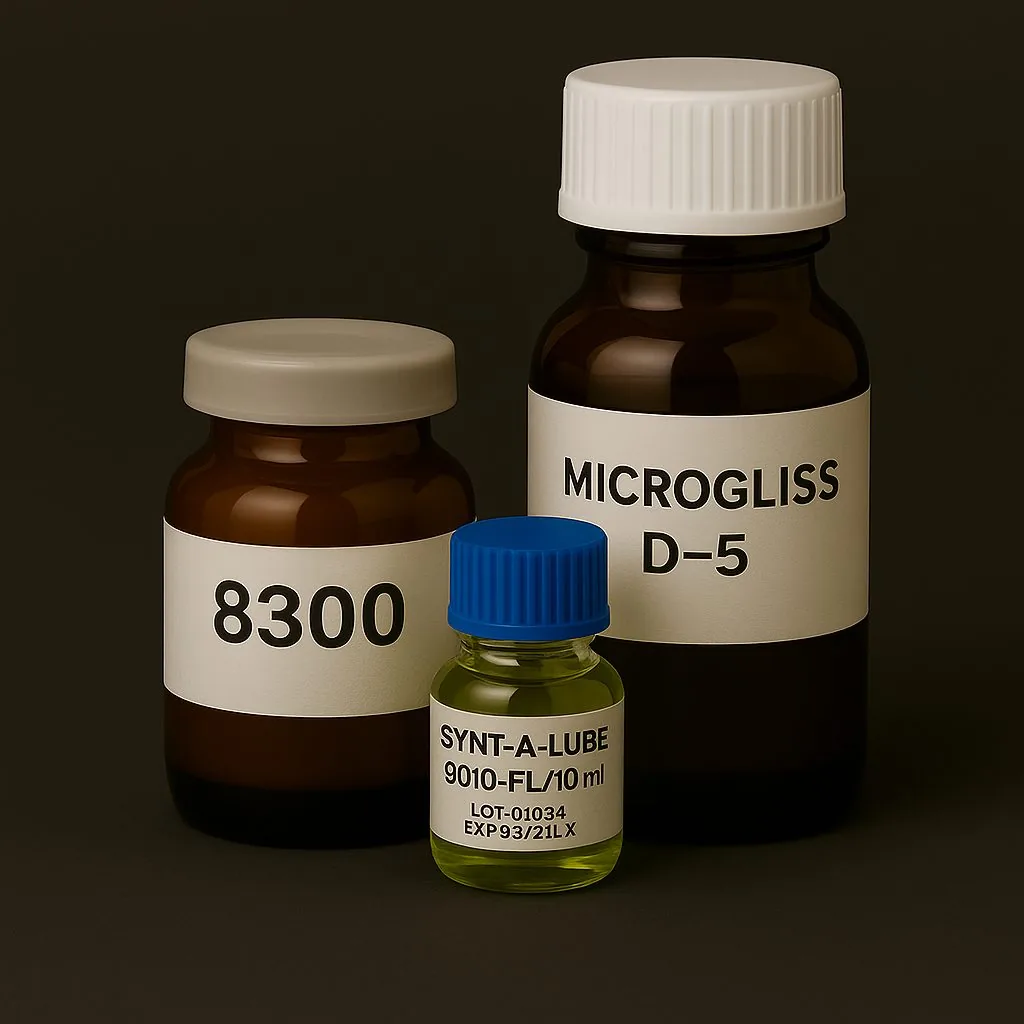
Lubricants are essential products for the proper functioning of a Movement. They reduce friction between parts in contact, limit wear, and protect surfaces against corrosion. Two main families are distinguished: oils, fluid and light, and greases, more viscous and stable. Each Lubrication point of a Calibre requires a specific product, chosen according to the nature of the contact, the speed of the parts, and the loads involved. Since their lifespan is limited, periodic maintenance of the Movement remains essential.
This page has been automatically translated from the French reference version using an artificial intelligence tool. Errors or inaccuracies may remain. If you notice any, especially if this is your native language, please feel free to report them to us at info@horopedia.org. Your contribution helps us improve the quality of the encyclopedia.
Pending their translation, images and videos remain temporarily displayed in French.
Thank you for your understanding.