
REGULATOR INDEX
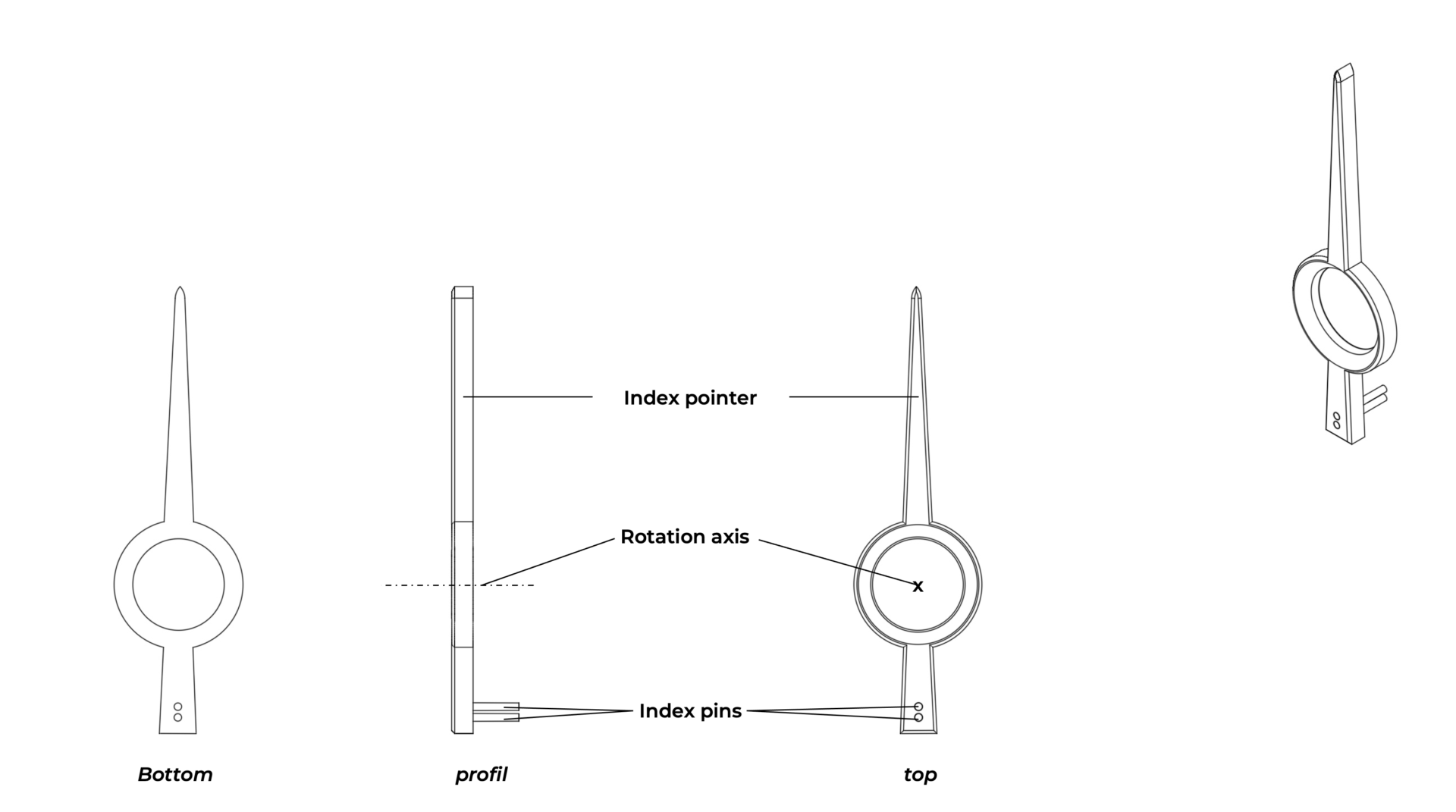
Figure 1: Plan view of a regulator index
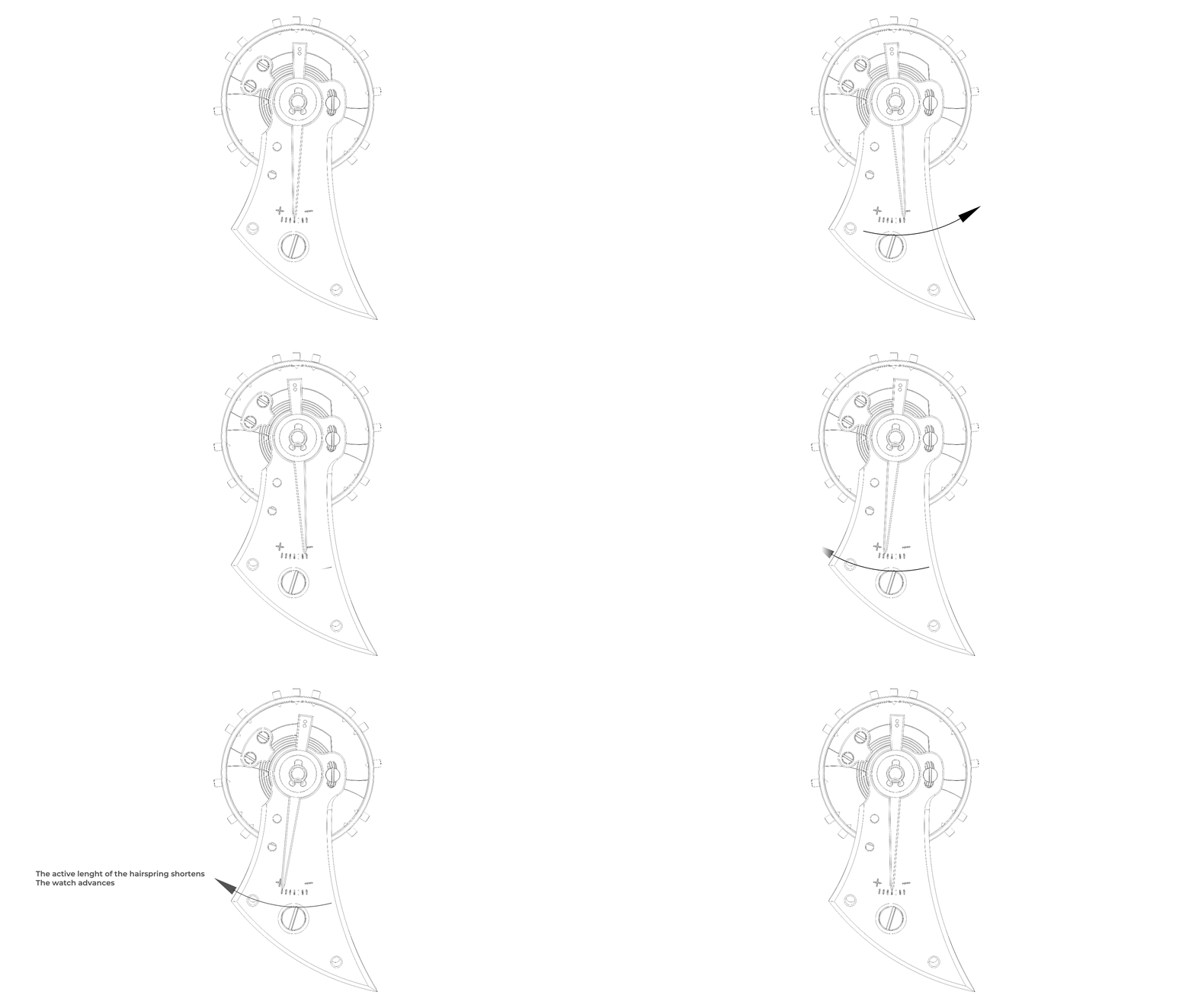
Figure 2: Adjustment of the hairspring’s active length (daily rate) by the regulator index
General description
The regulator index is generally made of steel. It allows the watch’s rate (gain or loss) to be corrected by modifying the active length of the hairspring. As is often the case in watchmaking, its name simply comes from its shape. The regulator index pivots concentrically to the balance wheels’s axis of rotation.
A long lever called the index pointer (Figure 1) is used to adjust its angular position. Opposite the index pointer is a shorter arm which, depending on the design, carries either:
-
Two regulator pins (Figure 3)
-
One pin and a regulator curb pin that holds the hairspring in height (Figure 4)
-
Two pins and a regulator curb pin (Figure 5)
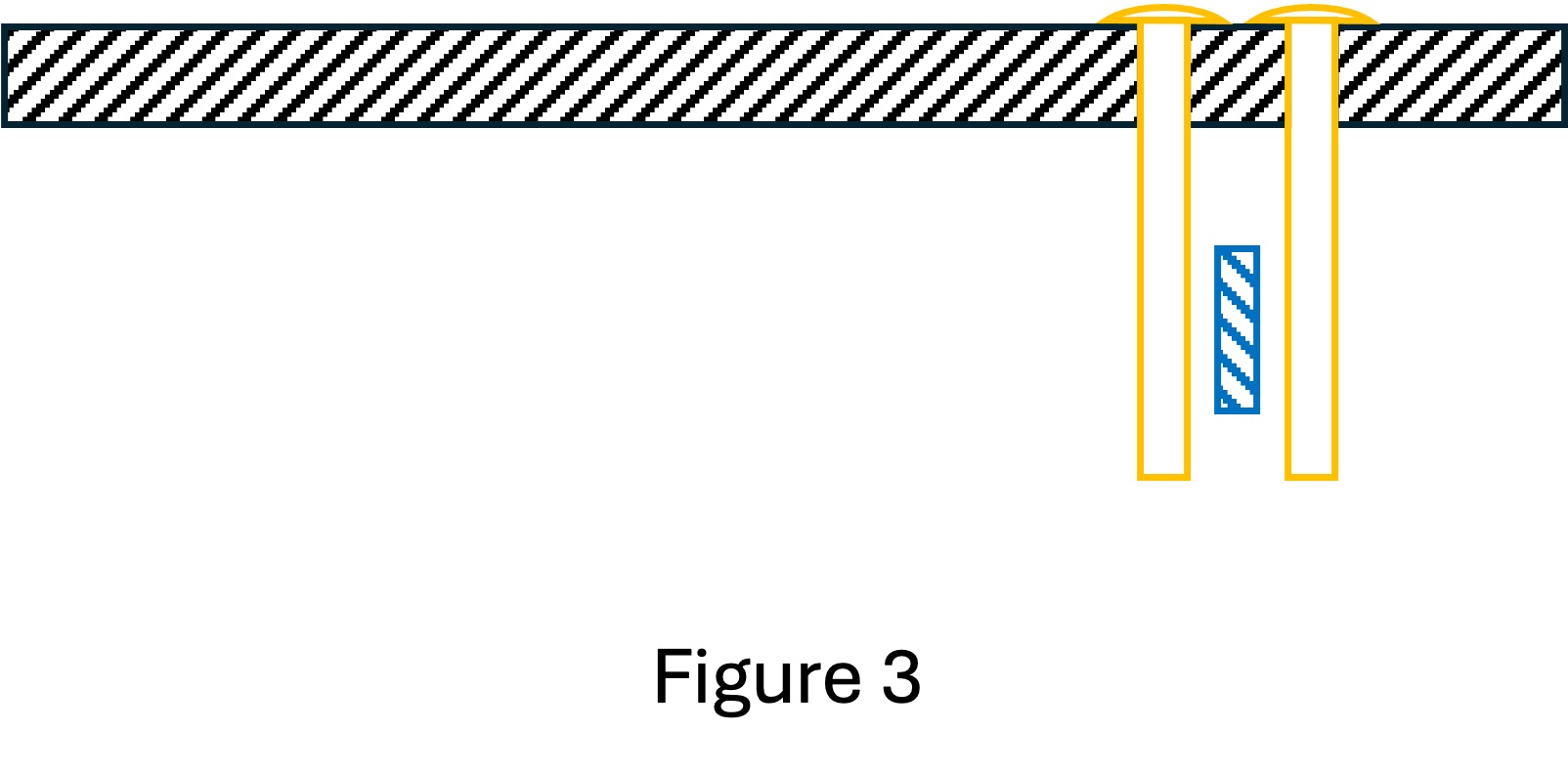
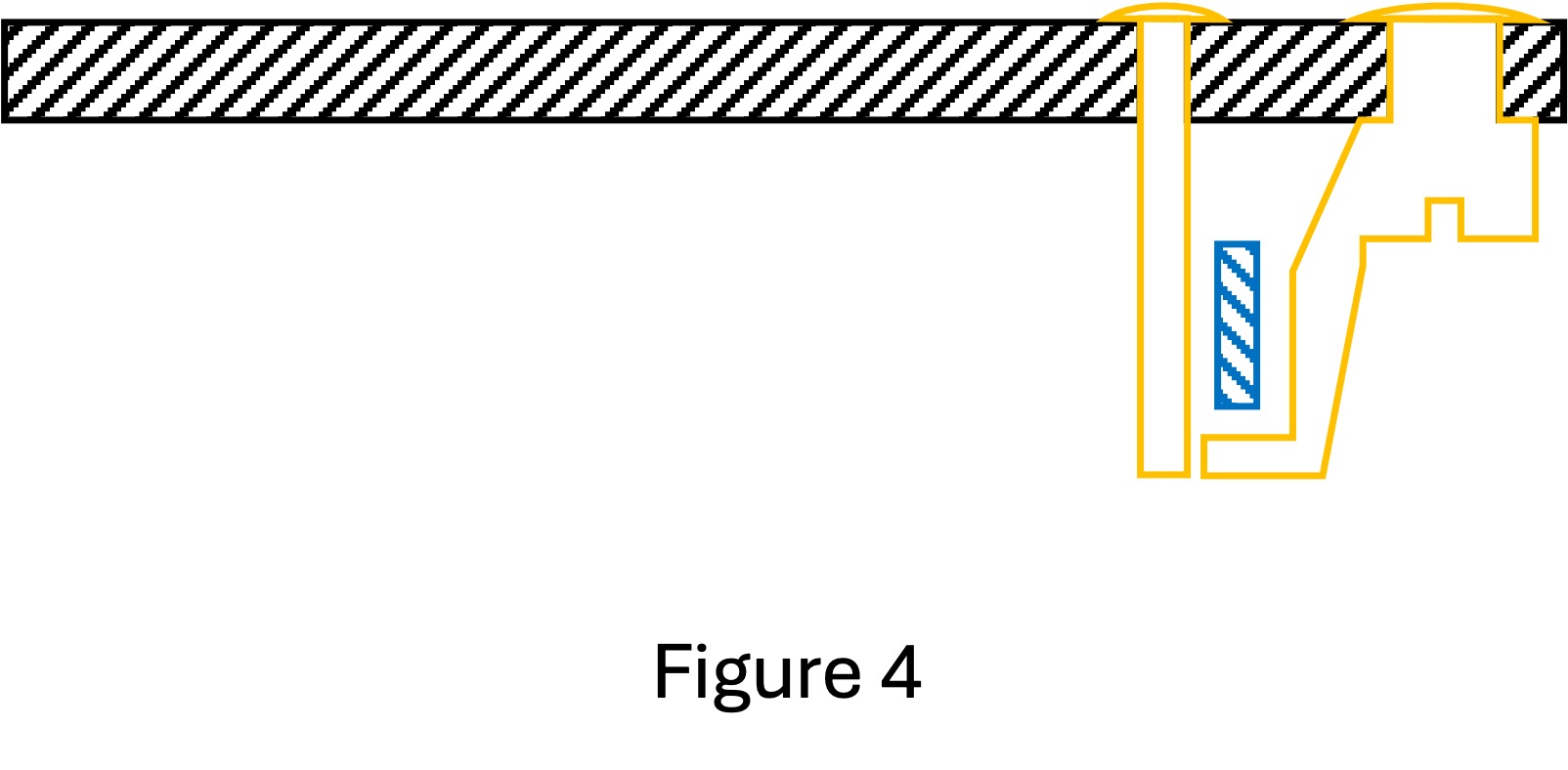
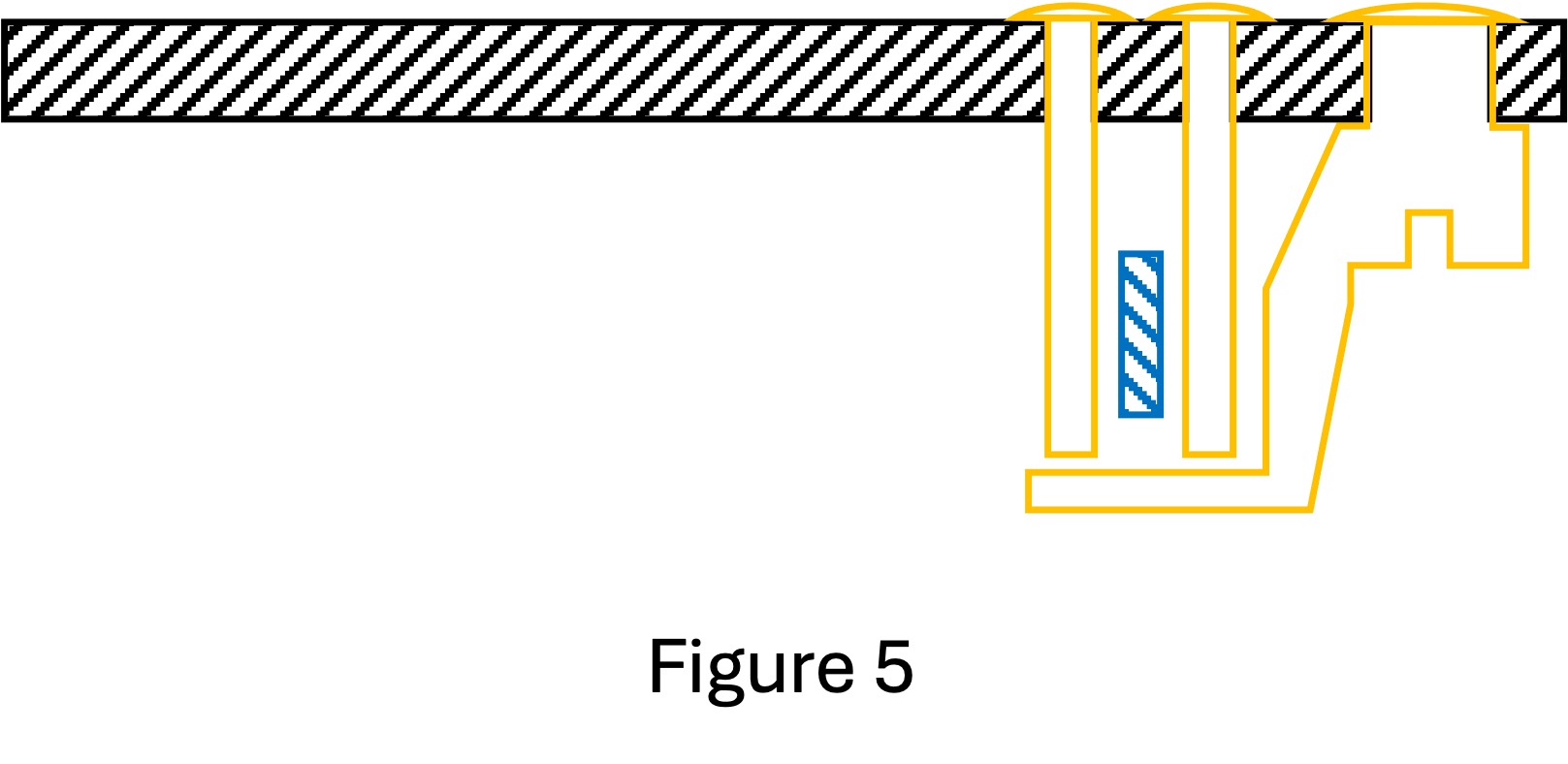
The hairspring passes between the regulator pins or between a curb pin and a pin. It must be centered there when at rest (watch unwound). The pins and, where applicable, the regulator curb pin must be perfectly clean and polished so as not to disturb isochronism. They must also be perfectly parallel to avoid creating rate differences between horizontal positions (dial up and dial down).
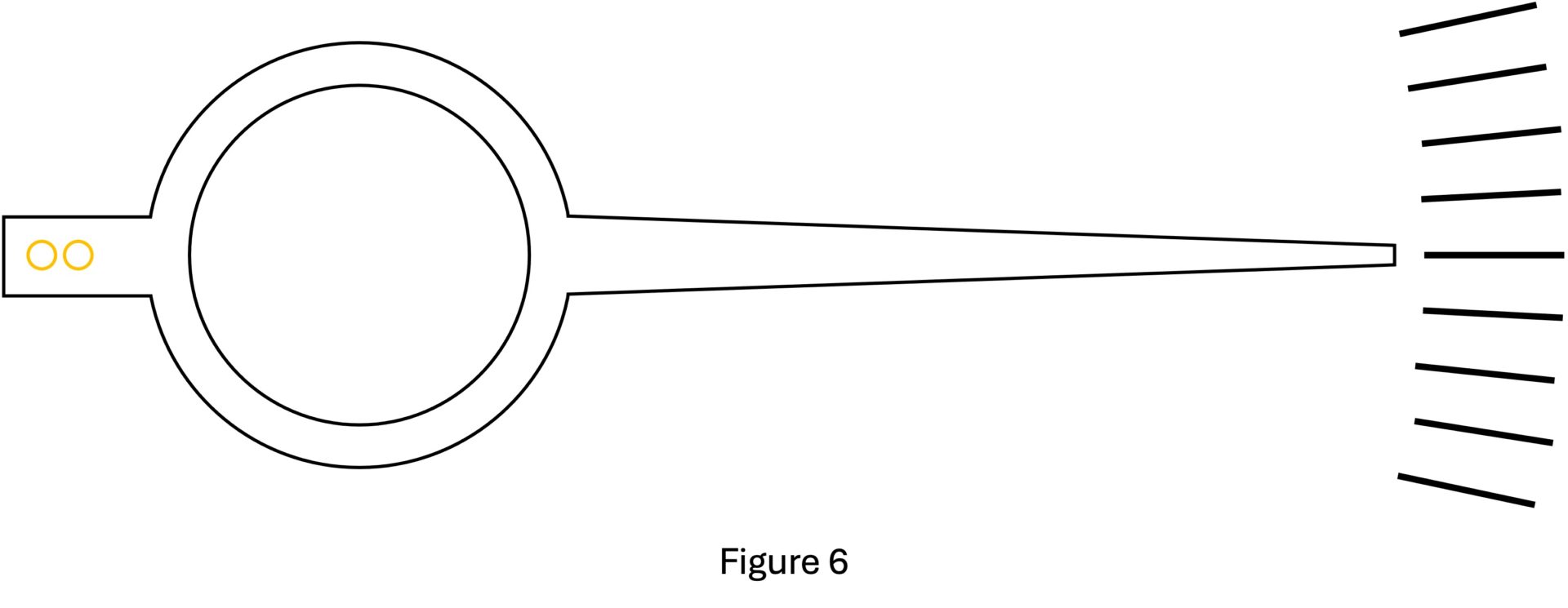
In some cases, a scale is found at the end of the index pointer to quantify the amount of correction (Figure 6).
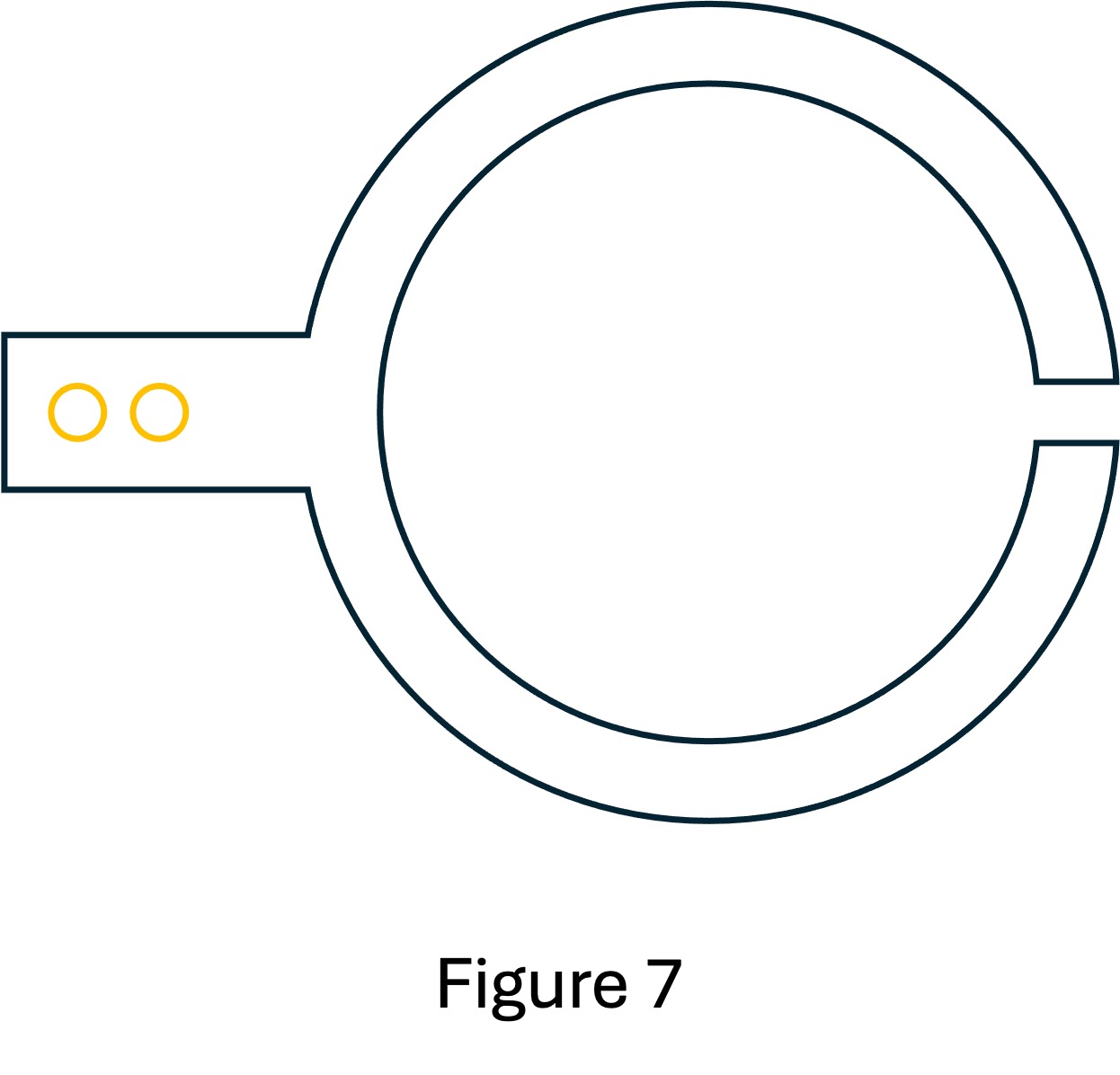
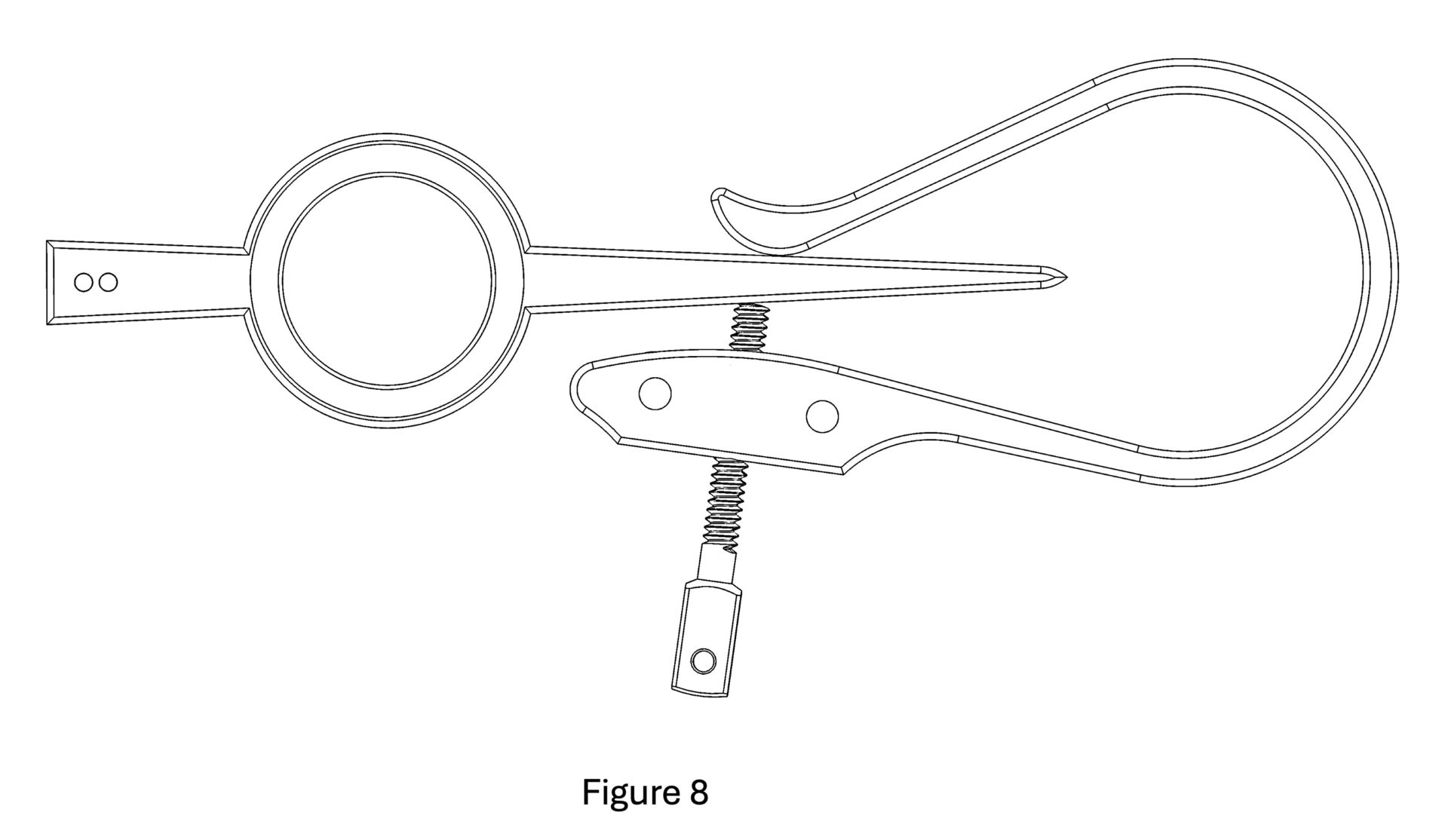
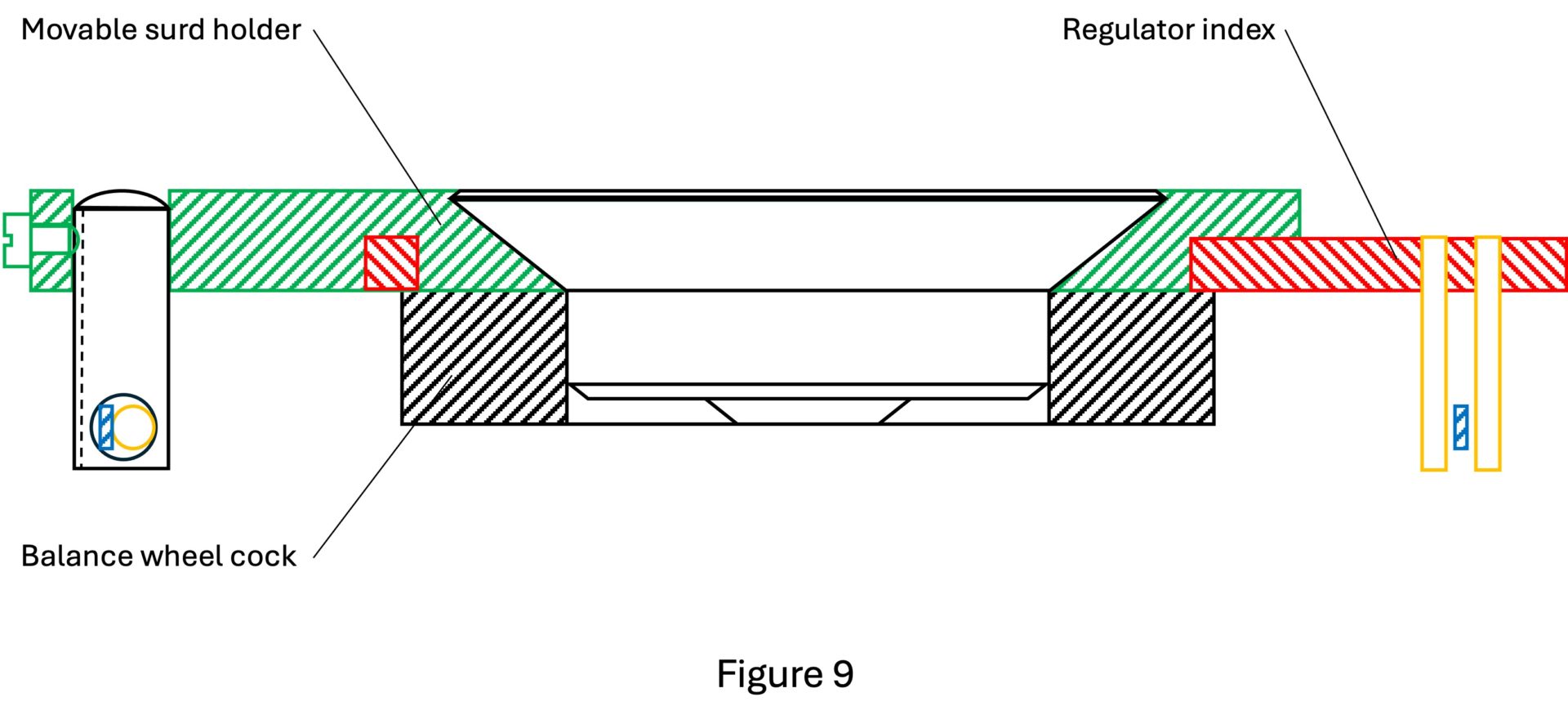
When the watch is fitted with a movable hairspring stud holder, the regulator index pivots on it and concentrically with it. The friction must be sufficient to keep both the regulator index and the stud holder in their set positions, while allowing their angular positions to be adjusted independently without driving the other (Figure 9).
It should be noted that the regulator index is not an essential component for the operation of a mechanical watch. Some high-end designs use variable-inertia balance wheels that make it possible to dispense with a regulator index (adjustment is made by correcting the balance wheel’s moment of inertia rather than by altering the active length of the hairspring).
The first components associated with what we now call “index-assembly” logically appear with the invention by Christian Huygens of the balance spring as an index in 1675. However, the first watches regulated in this way did not truly have an index. The first appearance of this component is credited to John Harrison in his famous H4 chronometer in 1759. Nonetheless, Harrison’s index was not designed to allow for an average correction of the regulation by statically modifying the active length of the spiral, as it is done today. Already aware of the influence of thermal variations, Harrison designed and placed the index in his H4 to thermally compensate for the expansions and contractions of the spiral. To achieve this, he capitalized on his work on bimetallic constructions (which had already earned him the invention of the bimetallic thermo-compensating balance).
Harrison’s index was articulated on a double blade composed of two different metals. Through their combination, it tilted to the left when temperatures were dropping and to the right when they rose. Since the movements of the index were opposite to those of the spiral (expansion-contraction), the index corrected the active length of the spiral during temperature variations.
Although very complex to master, this system did not experience widespread adoption and quickly lost its appeal as material mastery and adjustment theories progressed. However, the index has been present in most watches since then and continues to play a role in the static adjustment of the watch’s regulation (correction of the active length of the hairspring).
The watchmaker begins the artisanal production of the index by centring and drilling the centre of its pivot axis on the surface of a steel plate slightly thicker than the finished component. Next, the watchmaker engraves the contour of the index profile using a tracing pen, focusing on the pivot point. Subsequently, the watchmaker delicately cuts the contour of the index using a piercing saw. The sides of the piece are then filed to bring the index to its final thickness and in strict accordance with its shape. The index is then angled and polished using customary tools (files, buff sticks, polishing). A large bevel is generally polished in its centre. Normally, the artisan then stretches the sides of the piece (satin finish) and the tiny flat remaining on the upper surface of the index. Consequently, the watchmaker also adjusts the thickness of the index to regulate its friction with its staff. This friction must be light enough to precisely modify the position of the index and strong enough to prevent any inadvertent misadjustment, especially during shocks.
To enhance the cost-effectiveness of manufacturing a single piece or a small series of components, the electrical discharge process proves particularly advantageous. The implementation costs and machine processing time remain relatively low and are suitable for small production volumes. Moreover, this technology allows for cutting complex and fine profiles without exerting any mechanical stress on the component during its fabrication. Compared to the artisanal method, electrical discharge cutting offers a considerable time-saving with good repercussions on the decoration steps. The end of the manufacturing and decoration process is similar to the artisanal method, or the level of finishing required.
For large-scale production, it justifies the investment in a stamping tool to manufacture an index at an optimal cost. The enlarged contour of the profile is thus punched directly into a strip of steel slightly thicker than the finished component by a stamping press. Nevertheless, manual steps remain unavoidable. Thus, the index must be brought to its final dimensions (profile and thickness) while providing the desired finishing and decorations (satin finish, beveling, polishing, etc.).