
UPDATES, MAY 2025
We are pleased to share several updates on Horopedia.org that enrich and deepen our coverage of the watchmaking world.
One of our main goals is to share information about the different types of professional training in watchmaking. We have already listed the main professions within the Swiss watchmaking industry and continue to present the watchmaking schools officially recognized by the Confederation. International schools are listed in the dedicated section.
- The School of Technical Trades (CEJEF) is located in Porrentruy, in the canton of Jura. This institution skillfully combines practical workshop skills and academic training. Students can obtain an AFP there in two years or a CFC in three to four years, with the possibility of continuing on to a vocational baccalaureate, opening the doors directly to Universities of Applied Sciences.
- The Biel/Bienne Technical College CFP is an institution bilingual in the canton of Bern. Considered a leading center of training in the microtechnology fields, it prepares its graduates for careers in watchmaking, precision mechanics, microtechnology, medical technology, and automation — among the most dynamic sectors of the industry.
- The WOSTEP Foundation, founded in 1966, enjoys an international reputation and has built a reputation as a neutral and independent center for watchmaking training. Partially bilingual, its training programs are approved by the Employers’ Convention of the Swiss Watchmaking Industry (CP), preserving traditional know-how while meeting the future needs of the industry.
- On the technical side, we have added a complete visual presentation of Escapement-making (finishing). Now used as a teaching tool by Swiss watchmaking schools, this video reveals the art of adjusting escapements — a process requiring precision and patience, essential to ensure the perfect running of timepieces.
- The following film focuses on the Escapement itself, explaining the main components and operating principles of a Swiss lever escapement. A robust and precise mechanism, it quickly established itself as a standard in Swiss watchmaking, thanks to its proven performance and ease of production.
- As our body of information grows, we have expanded our articles detailing watchmaking terms and definitions. In the section devoted to watchmaking complications, we have added a chapter on time zones, covering the complications that indicate a Dual time zone (GMT) as well as World time / Universal time. In addition, in the section relating to the measurement of short times, we explore the various chronographs and instruments initially developed to meet the needs of scientists, the military, and then athletes.
These updates strengthen Horopedia.org as an open and evolving archive of horological knowledge, warmly welcoming anyone eager to learn.
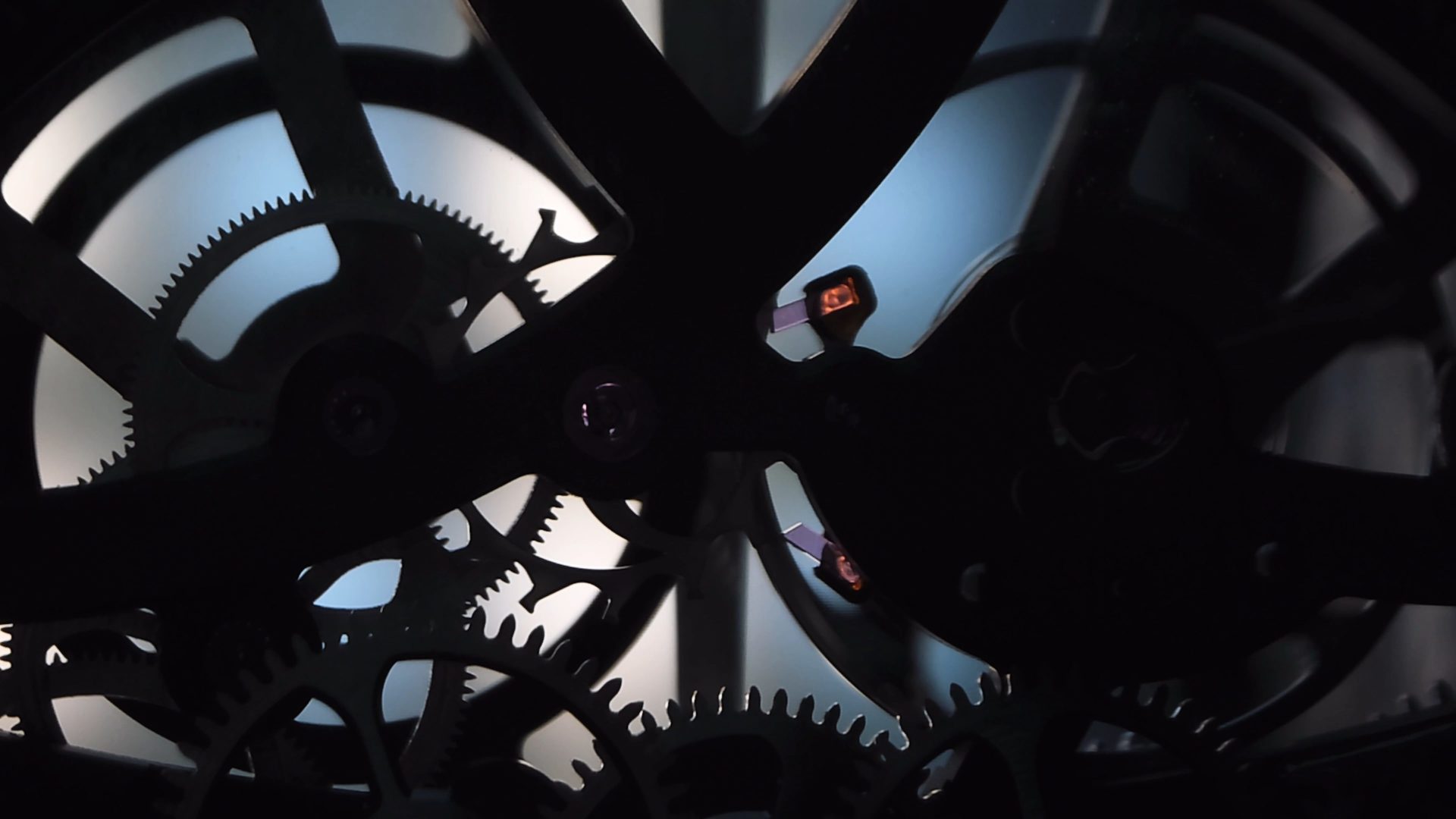
Escapement-making (finishing)
Horopedia, 2025
ABOUT HOROPEDIA
The Horopedia Foundation was established in February 2023 and has been granted public interest status. The Foundation’s Board is composed of Philippe Dufour (Chairman), Dr Helmut Crott, André Colard and Marc André Deschoux. The Foundation manages Horopedia.org, the first online video encyclopedia on horology. The platform was launched in 2022 and quickly received unanimous support within the community.
To date, more than 100 multilingual documentary films on museums, watchmaking schools, horological tools and components, and the mechanical principles behind their operation can be found on Horopedia.org. To strengthen its educational mission, the platform also incorporates visual teaching materials to facilitate a better understanding of the information provided. The site offers nearly 900 pages with detailed definitions of horological terms and historical anecdotes about significant horological inventions.
Horopedia.org meticulously covers all aspects of the fascinating watchmaking industry in French, English, and German. It offers detailed definitions of tools and complications, 3D images of movements, and in-depth video explanations of the production of components, their history, and their functions in a watch. A dedicated section of the site lists horological institutions, including schools and Museums in Switzerland and around the world.
This page has been automatically translated from the French reference version using an artificial intelligence tool. Errors or inaccuracies may remain. If you notice any, especially if this is your native language, please feel free to report them to us at info@horopedia.org. Your contribution helps us improve the quality of the encyclopedia.
Until they are translated, images and videos remain temporarily displayed in French.
Thank you for your understanding.