
THE HAND-SETTING MECHANISM
Figure 1: Kinematics of the hand-setting mechanism
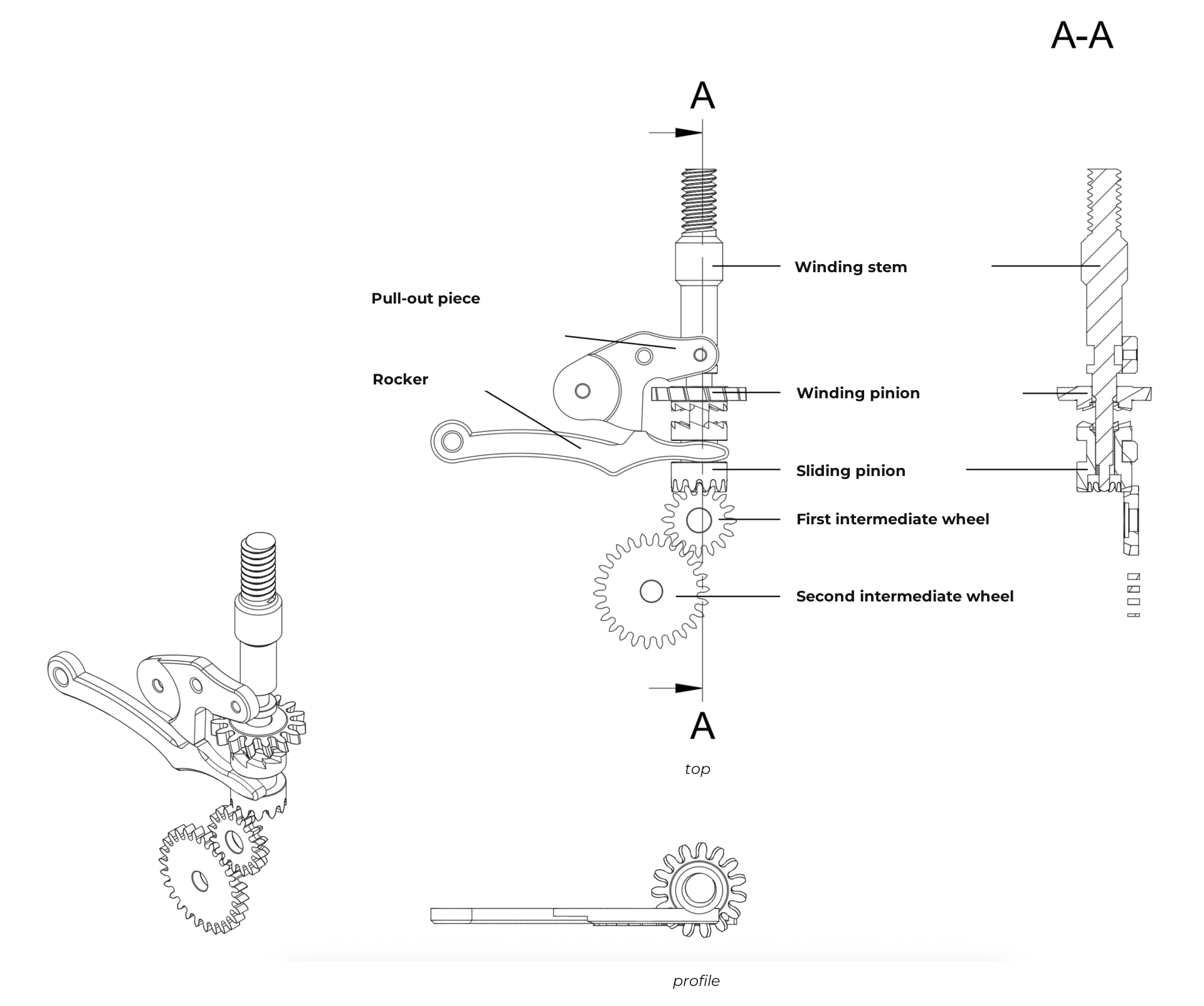
Figure 2: Diagram of a hand-setting mechanism
This mechanism is made up of all the components intended to set the time shown by the watch. The number of its components may vary depending on the construction, and many of them also belong to the winding mechanism. The components of the hand-setting mechanism are:
- The winding stem
- The sliding pinion (or slider)
- The lever/rocker
- The click spring
- The setting lever
- The setting lever spring
- The intermediate wheel(s)
Only the intermediate wheel(s) are specific to the hand-setting mechanism.
Until the middle of the 19th century, hand-setting mechanisms were relatively rudimentary and required the use of a key (like clocks). By passing the key through a hole made in the case back of the case, the key can be directly connected to a square located at the end of the centre pinion and protruding on the surface of its bridge. This system has the advantage of being mechanically simple and easy to manufacture. However, it always requires the use of an external accessory (the key) and any water resistance of the case fitted with such a hand-setting system is illusory.
The invention in 1847 of the winding mechanism (and hand-setting) with a lever/rocker by Antoine Le Coultre would sound the death knell for hand-setting and winding keys. All corrections (winding and hand-setting) are now made via the crown. This invention also contributed, a few years later, to the manufacture of the first water-resistant watches.
This page has been automatically translated from the French reference version using an artificial intelligence tool. Errors or inaccuracies may remain. If you notice any, especially if this is your native language, please feel free to report them to info@horopedia.org. Your contribution helps us improve the quality of the encyclopedia.
While awaiting their translation, images and videos remain temporarily displayed in French.
Thank you for your understanding.