
MINERALS (and synthetic corundums)
Minerals are inorganic materials featuring ionic and covalent bonds. They are characterized by their mechanical and thermal resistance, some even displaying refractoriness, and are electrical insulators. Rock, crystals, ceramics, or glass (crystal) are examples of mineral materials.
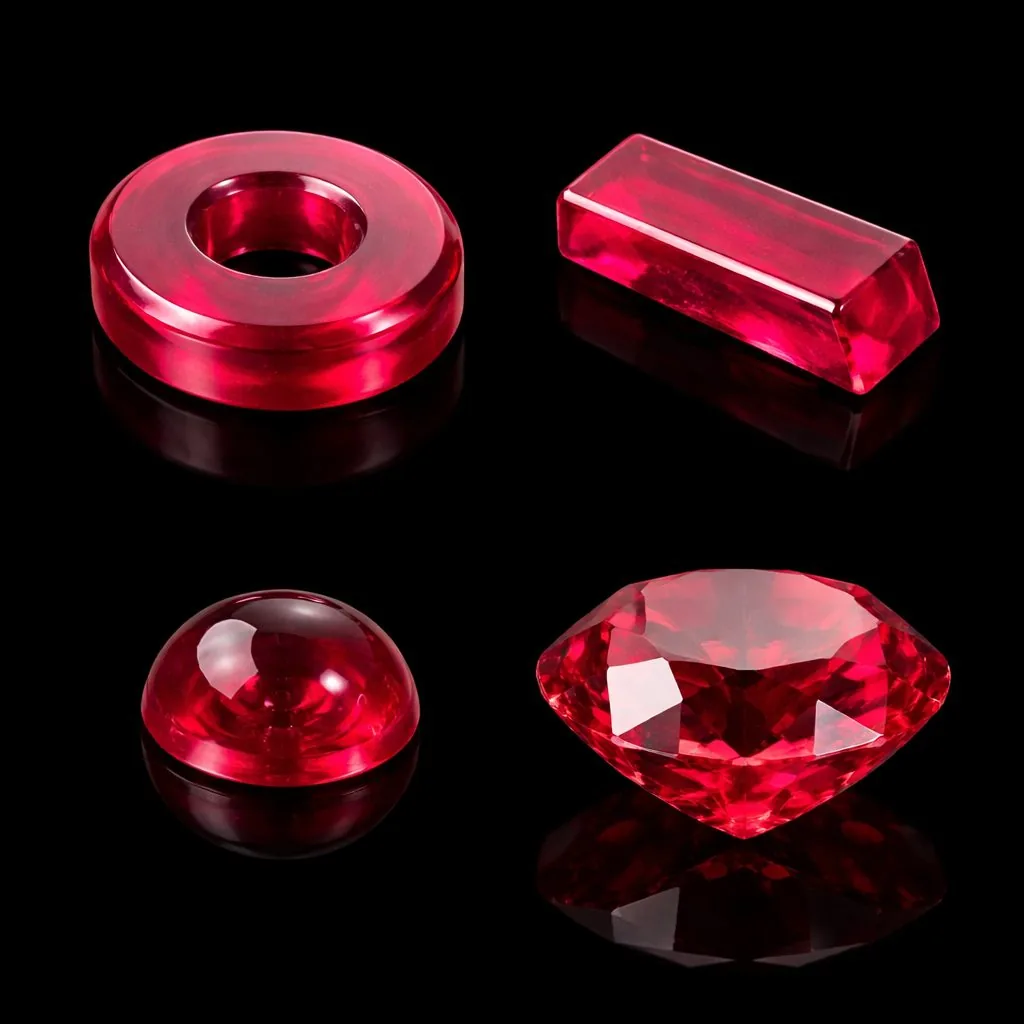
RUBY / JEWEL (and synthetic corundum)
The Ruby / Jewel, also known as red corundum, is a precious variety of corundum, whose intense red color comes from chrome traces. This mineral is one of the hardest in the world, ranking second on the Mohs scale, with a Hardness of 9 out of 10, just after Diamond. Due to its exceptional strength and beauty, ruby has been prized throughout the ages, not only for its aesthetic value in jewelry, but also for its unique properties in technical fields such as watchmaking.
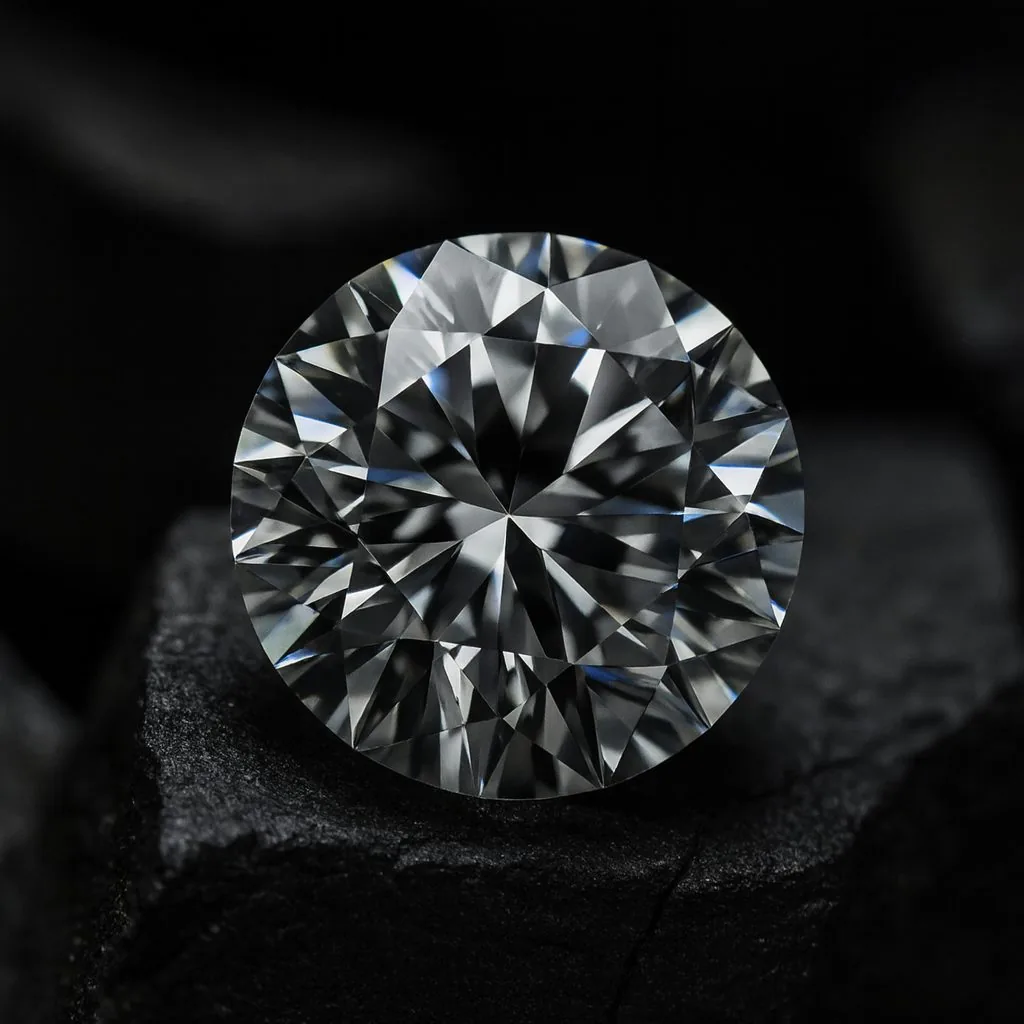
THE DIAMOND
The Diamond, considered one of the most iconic and sought-after gemstones in the world, is a crystalline form of pure carbon. It stands out for its exceptional hardness, making it the hardest natural material known to date. With a hardness of 10 on the Mohs scale, diamond is unmatched in its ability to resist wear and abrasion. Beyond its dazzling beauty and rarity, diamond possesses unique properties that make it indispensable in applications as diverse as jewelry and watchmaking.
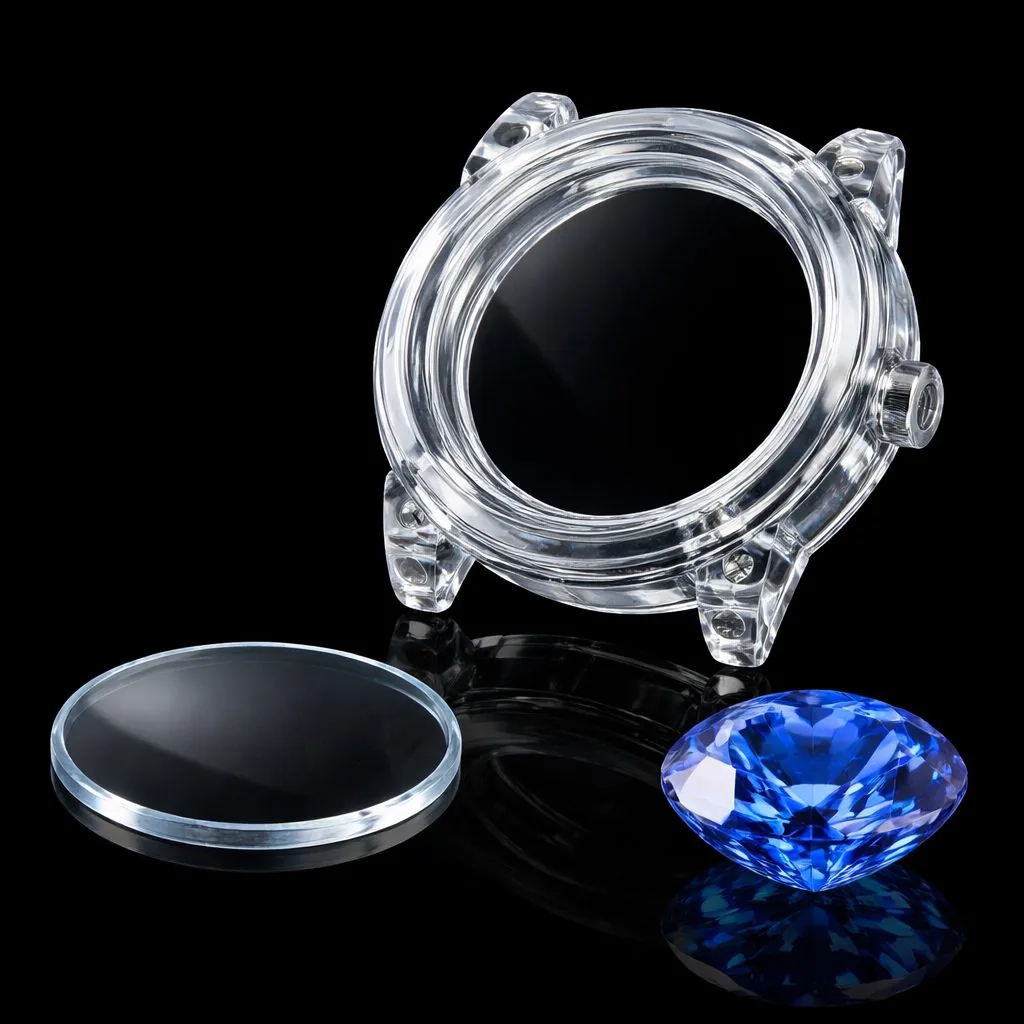
SAPPHIRE (and synthetic corundum)
Sapphire, whether natural or synthetic, is a highly sought-after Material in watchmaking due to its Hardness, its clarity, and its scratch resistance. In its synthetic form, sapphire is mainly used for watch glasses (crystals) and, for a few decades now, for the manufacturing of cases (partial or complete). Scratch-resistant and able to be free of any tint, synthetic sapphire has ultimately completely replaced mineral crystals. Its use revolutionized the watchmaking industry, and its popularity has grown with the evolution of manufacturing technologies
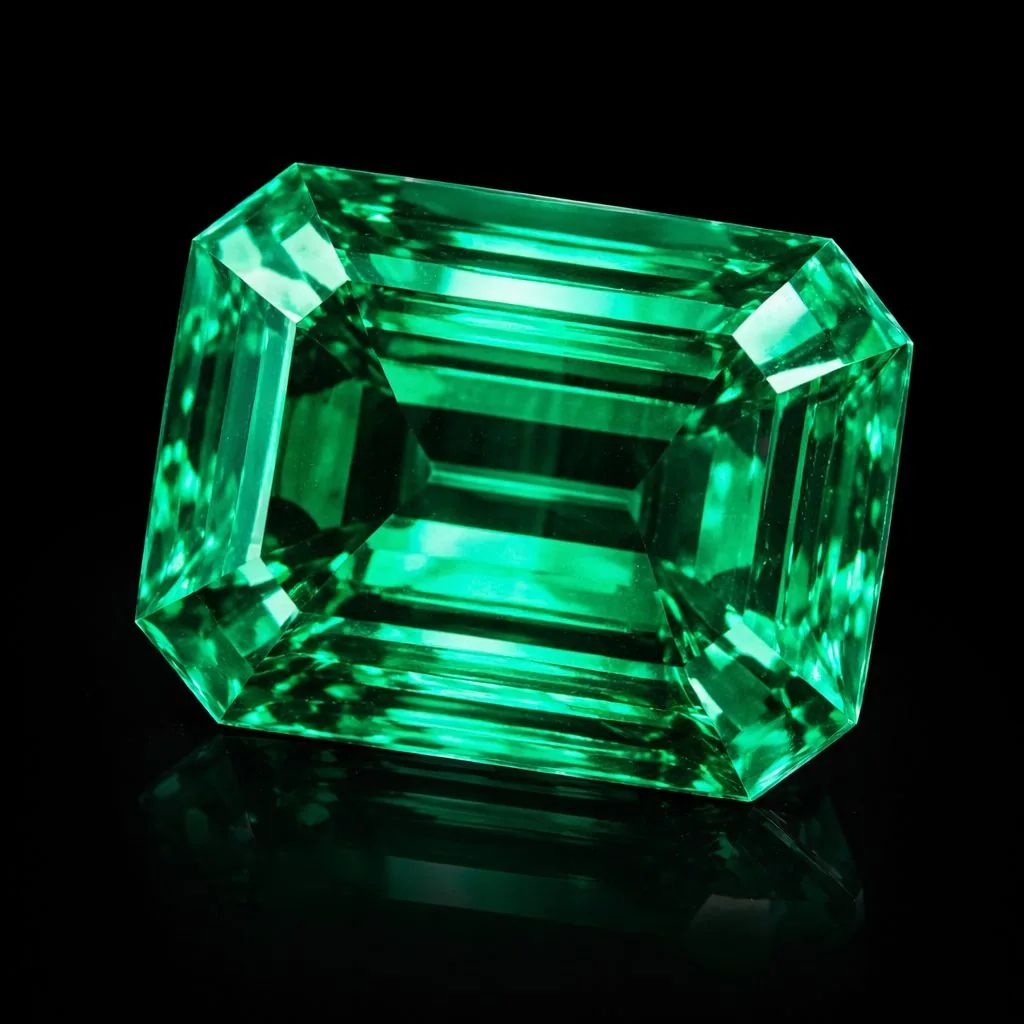
THE EMERALD
The emerald is a variety of beryl, a mineral composed mainly of aluminium and beryllium silicates, distinguished by its intense green colour. In watchmaking and jewellery, the emerald is prized for its unique beauty and fascinating properties, although its use is rarer than that of other precious stones such as diamond or sapphire.
This page has been automatically translated from the French reference version using an artificial intelligence tool. Errors or inaccuracies may remain. If you notice any, especially if this is your native language, please feel free to report them to info@horopedia.org. Your contribution helps us improve the quality of the encyclopedia.
Pending their translation, images and videos remain temporarily displayed in French.
Thank you for your understanding.