
MENU
1. Table of the main properties of ceramics
| Property | Typical value | Remarks |
|---|---|---|
| Density | ~5.5–6.0 g/cm³ | Medium |
| Elasticity modulus (E) | ~200–210 GPa | High |
| Tensile strength | ~300–1000 MPa | Fragile |
| Hardness (HV) | ~1200–1500 HV | Very high |
| Thermal conductivity | ~2–5 W/m·K | Very low |
| Electrical conductivity | None | Insulator |
| Expansion coefficient | ~10 ×10⁻⁶ /K | Low |
| Magnetism | No | Non-magnetic |
| Corrosion resistance | Excellent | Inert |
| Machinability | Very difficult | Abrasive |
2. General description
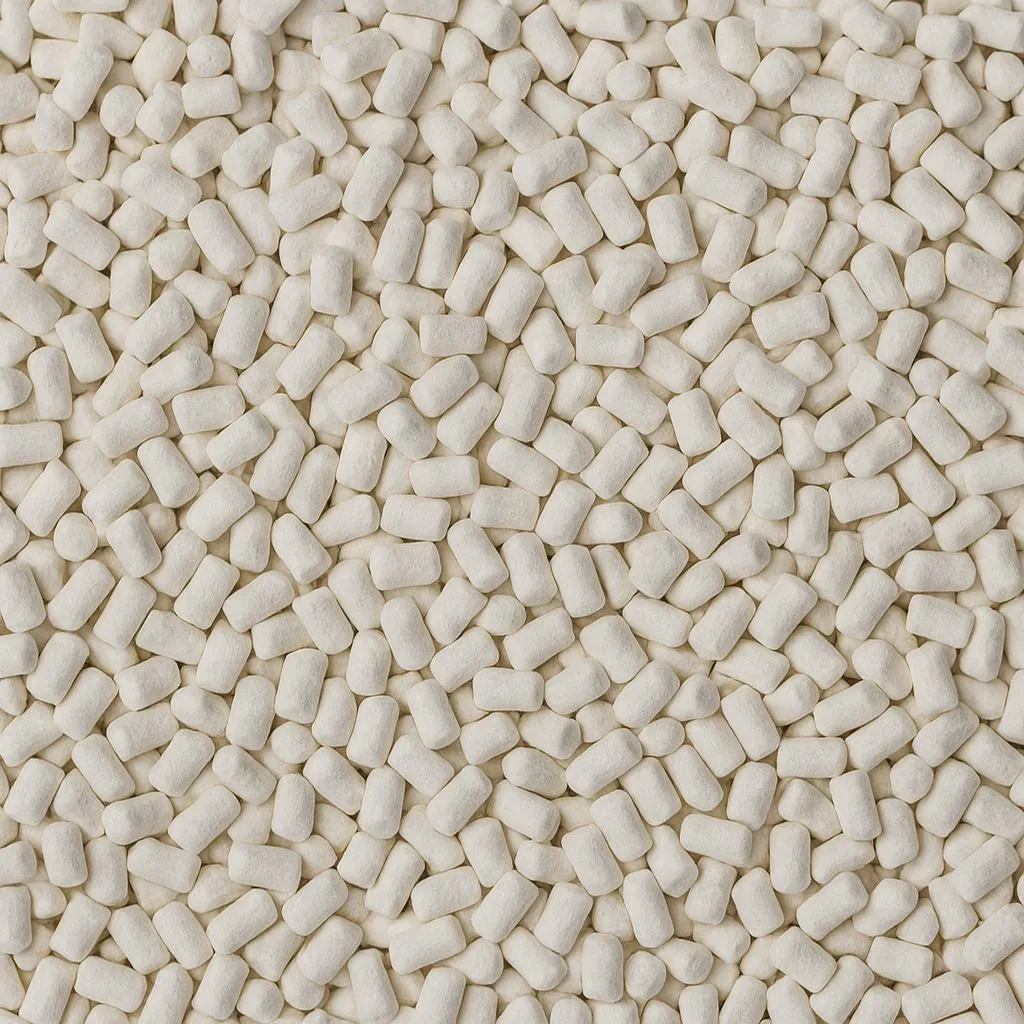
Technical ceramics are inorganic, non-metallic composite materials, obtained through the shaping and firing of mineral powders. Introduced into watchmaking in the second half of the 20th century, they are now widely used for their exceptional properties of hardness, wear resistance, and chemical stability.
Unlike Metals, ceramics exhibit brittle behavior (fragile) but offer remarkable resistance to scratches and external damage. They are mainly used for external parts, but also, in a more targeted manner, for technical components of the movement.
3. Types of ceramics used in watchmaking
Zirconia (ZrO₂)
Stabilized zirconia (often with yttrium) is the most widely used ceramic.
Characteristics:
- Very high hardness
- Good relative toughness (compared to other ceramics)
- Excellent finish possible (mirror polishing)
Advanced technical ceramics
- Alumina (Al₂O₃)
- Carbides (SiC, WC)
- Nitrides (Si₃N₄)
Used for specific applications requiring:
- thermal resistance
- increased mechanical resistance
- specific tribological properties
4. Manufacturing method
The manufacturing of watchmaking ceramics relies on several key steps:
Powder preparation
- Selection of fine ceramic powders
- Addition of binders and additives
- Homogenization of the mixture
Shaping
Different techniques are used:
- Dry pressing
- Injection (CIM – Ceramic Injection Molding)
- Isostatic pressing
The obtained part is called “green part”.
Debinding
- Removal of organic binders
- Structure stabilization
Sintering
- High-temperature firing (≈ 1400–1600 °C)
- Material densification
- Volume reduction (controlled shrinkage)
Machining and finishing
As ceramics are very hard, machining is limited and requires:
- Diamond tools
- Abrasive processes
Possible finishes:
- Mirror polishing
- Satin finish
- Shot blasting (micro bead blasting)
Femtosecond laser machining (femto laser)
For certain technical applications (notably axes in ceramics), advanced processes such as the femtosecond laser are used:
- Contactless machining
- Very high precision
- Absence of mechanical stress
- Allows the creation of complex micro-geometries
5. Watchmaking applications
Ceramics are used for:
External parts (case, dial, hands)
- Watch cases
- Bracelets
- Inserts (glasses)
👉 Advantage: scratch resistance and aesthetic stability
Technical components
- Axles (machined with femtosecond laser)
- Ball bearings (oscillating masses, Tourbillon cages, etc.)
6. Advantages and limitations
Advantages
- Exceptional scratch resistance
- High chemical stability
- Non-magnetic
- Low aging
- Durable aesthetics
- Relative lightness
Limitations
- Fragility (brittle)
- Sensitivity to severe impacts
- Difficult machining
- Relatively high cost
- Manufacturing complexity
This page has been automatically translated from the French reference version using an artificial intelligence tool. Errors or inaccuracies may remain. If you notice any, especially if this is your native language, please feel free to report them to info@horopedia.org. Your contribution helps us improve the quality of the encyclopedia.
Pending their translation, images and videos remain temporarily displayed in French.
Thank you for your understanding.