
METALS
Metals still represent, to this day, the majority of materials used in horology. Whether for the movement or the external parts (case, dial, hands), a wide range of metals is used according to their mechanical, physical, and aesthetic properties. Some metals can be used pure (e.g.: Aluminium, Copper) and others mixed with other metals. This is referred to as alloys (Steels, Brasses, etc.). Although traditionally used in horology for a long time, some alloys such as Steels or Brasses keep evolving in order to optimize the qualities of the components they are intended for.
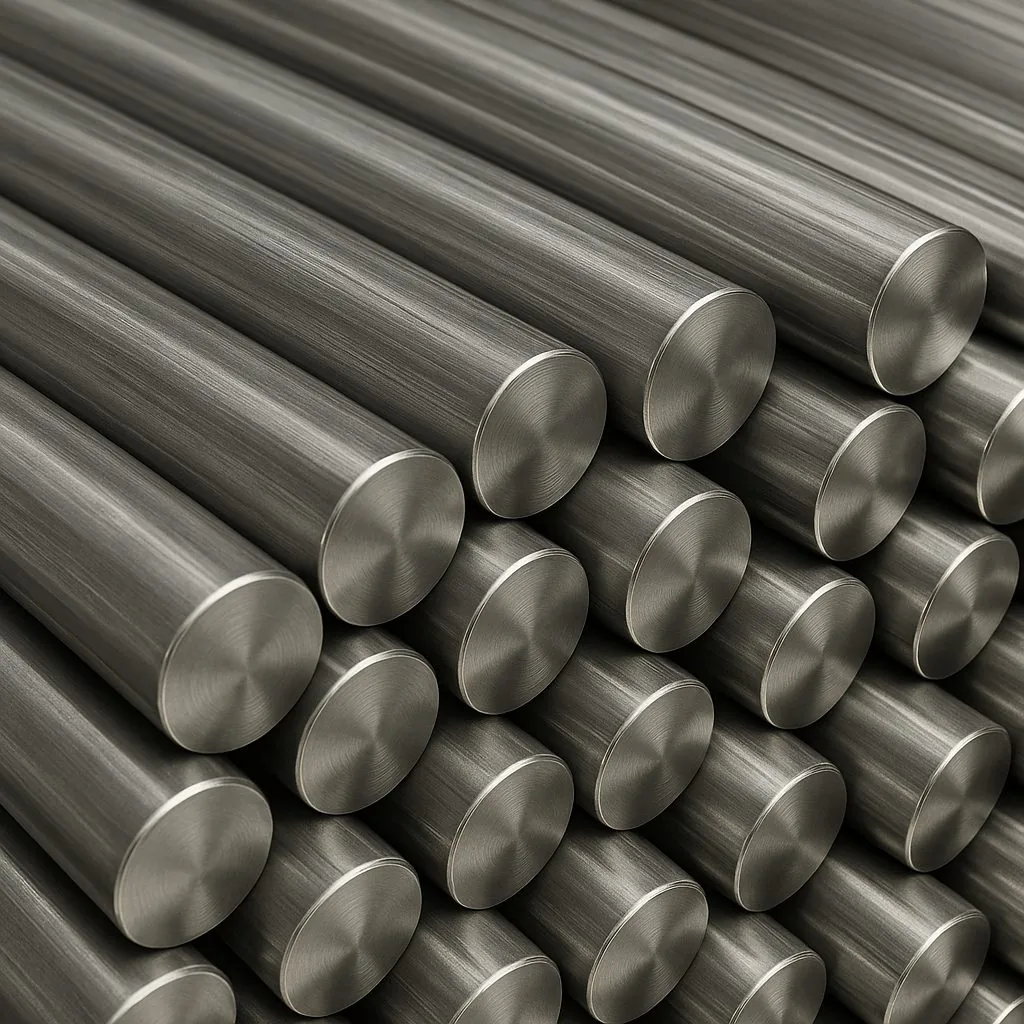
STEELS
Steels are one of the largest families of alloys. They are always composed of iron and carbon (whose rate determines the hardness). One or more other elements can complete the alloy to obtain the desired specifications (elasticity, corrosion resistance, ductility, etc.).
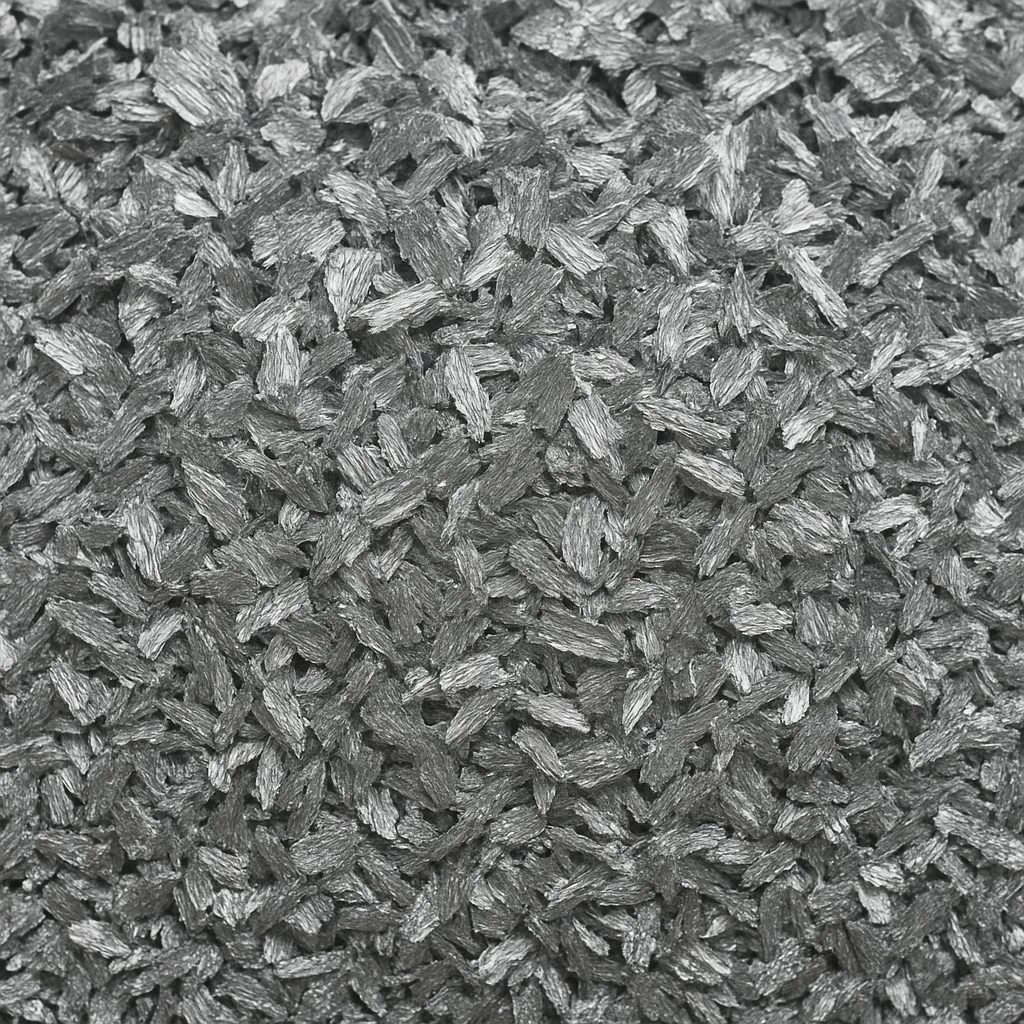
ALUMINIUM
Aluminium is relatively little used for the manufacture of horological components. However, its very particular mechanical and physical properties give it specific uses. It is also highly valued in the manufacture of tooling and is present in numerous alloys.
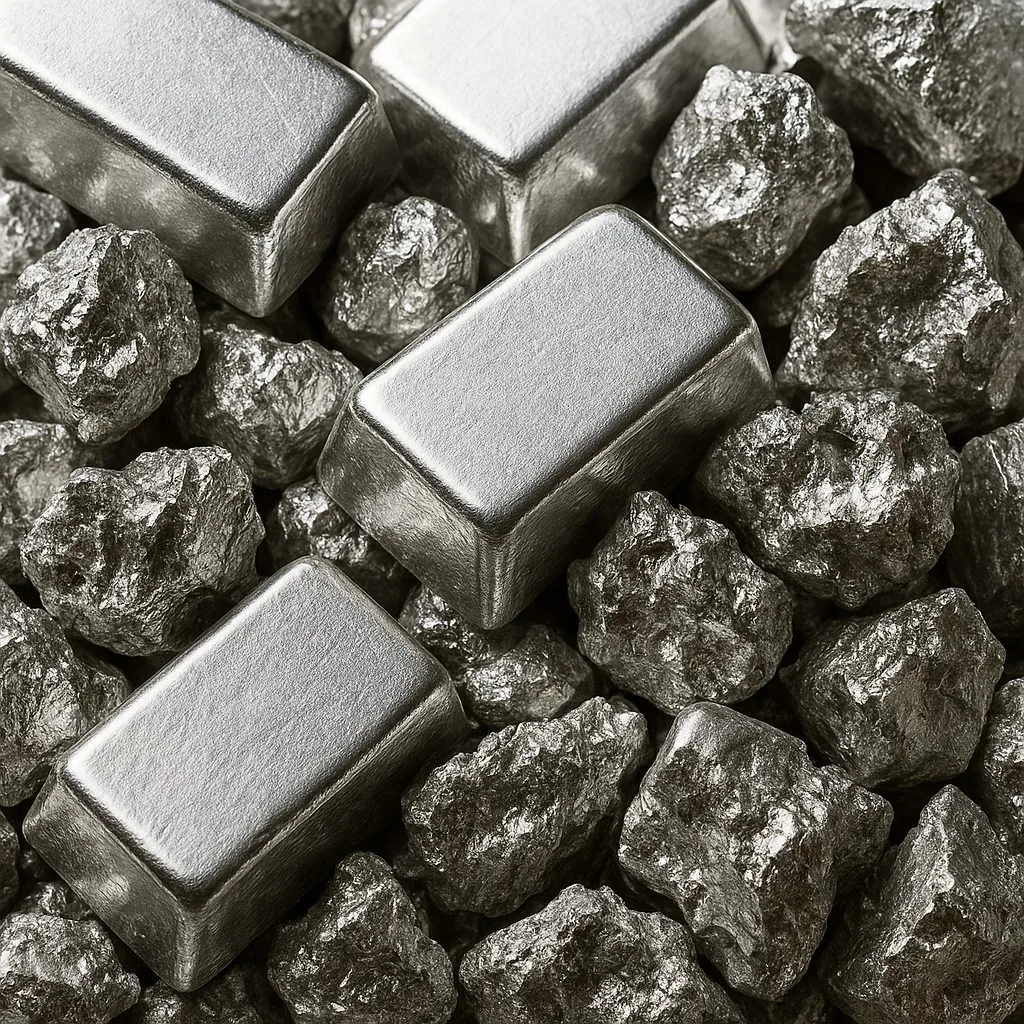
SILVER
Widely used in the external parts (case, dial, hands) of watches (cases, dials) until the 20th century, silver is now a minor metal in horology. Its low resistance to oxidation limits it to the manufacture of dials. Its white sheen makes it an ideal surface for guilloché or flinqué decorations.
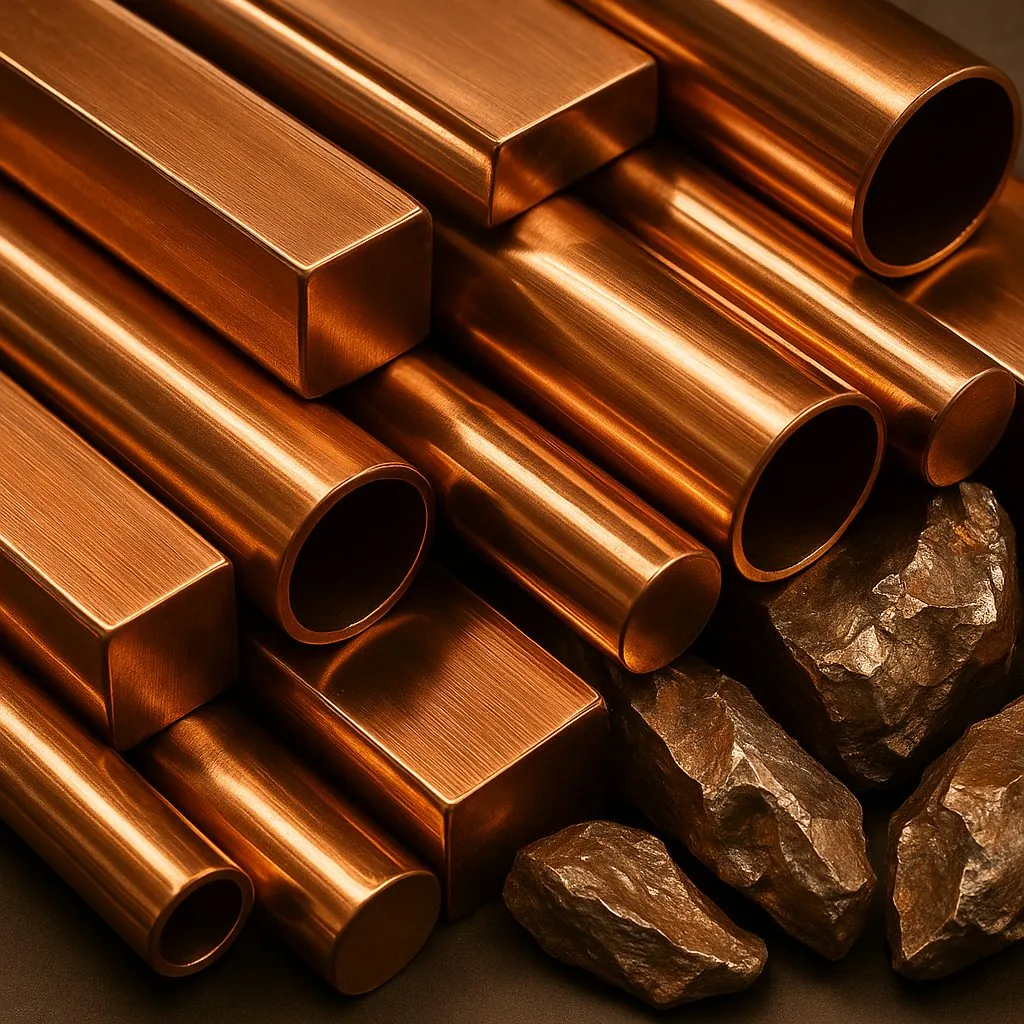
COPPER
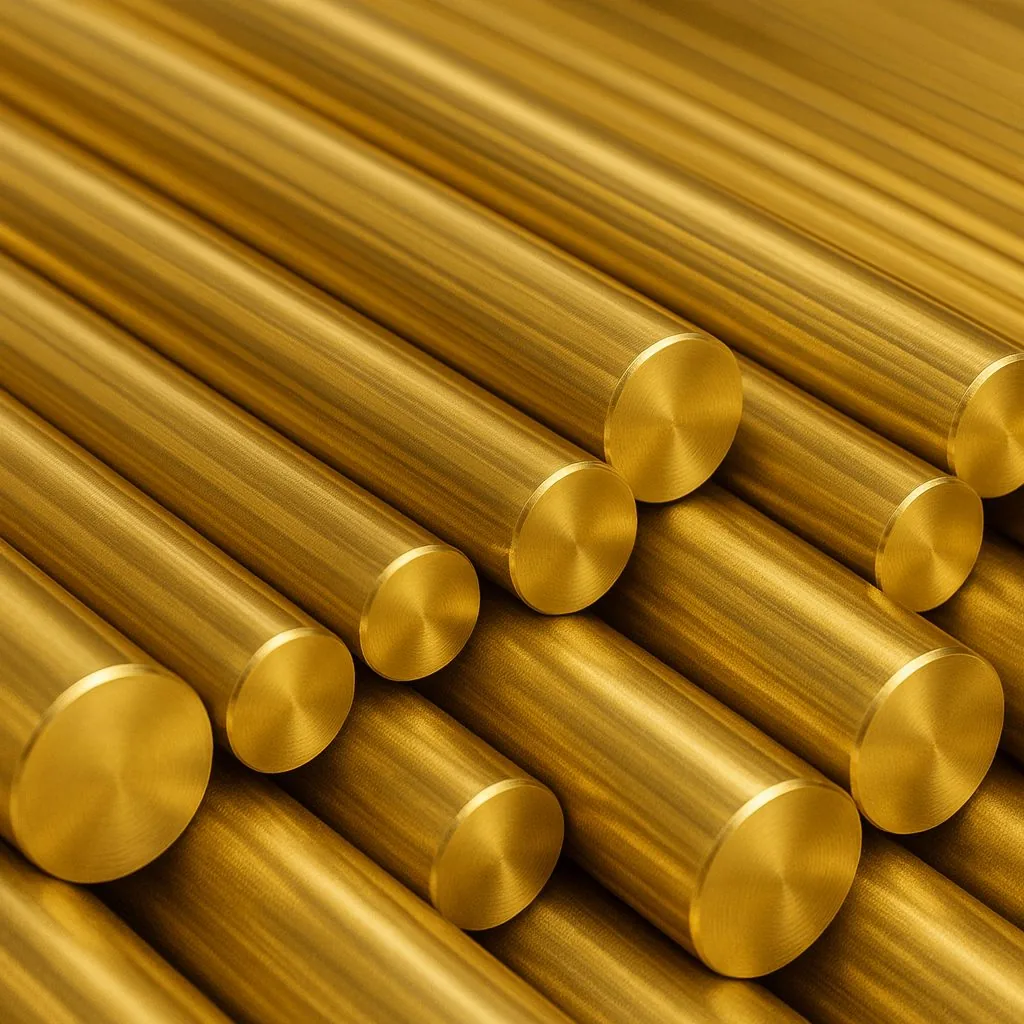
Chemically, copper belongs to the same family as gold and silver. It is ductile, and a good thermal and electrical conductor. It is the first metal worked by man and remains essential for many uses and many industries. It is used pure, in the form of copper alloys, and as an additional element in many alloys.
GERMAN SILVER
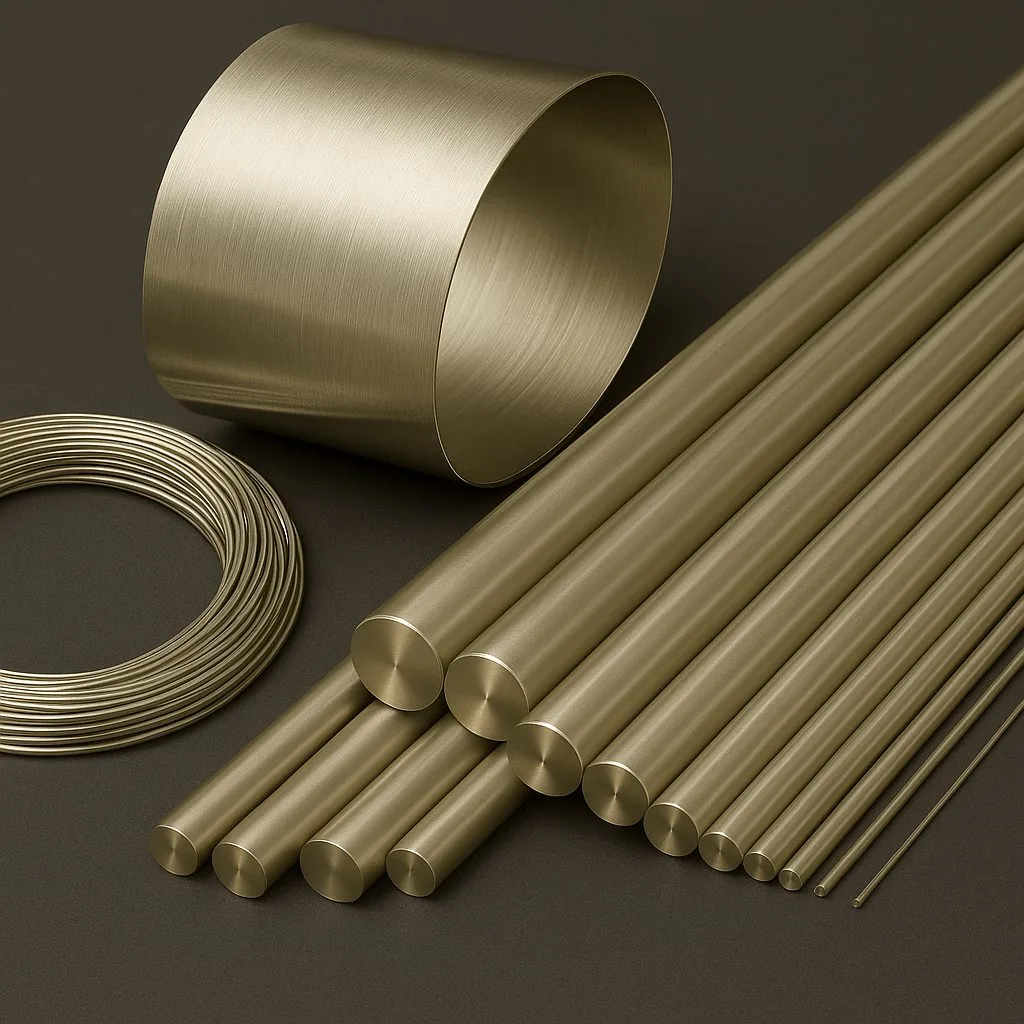
German silver is an alloy belonging to the brass family. It is characterized by the addition of nickel to the binary copper-zinc alloy and, sometimes, lead.
PLATINUM
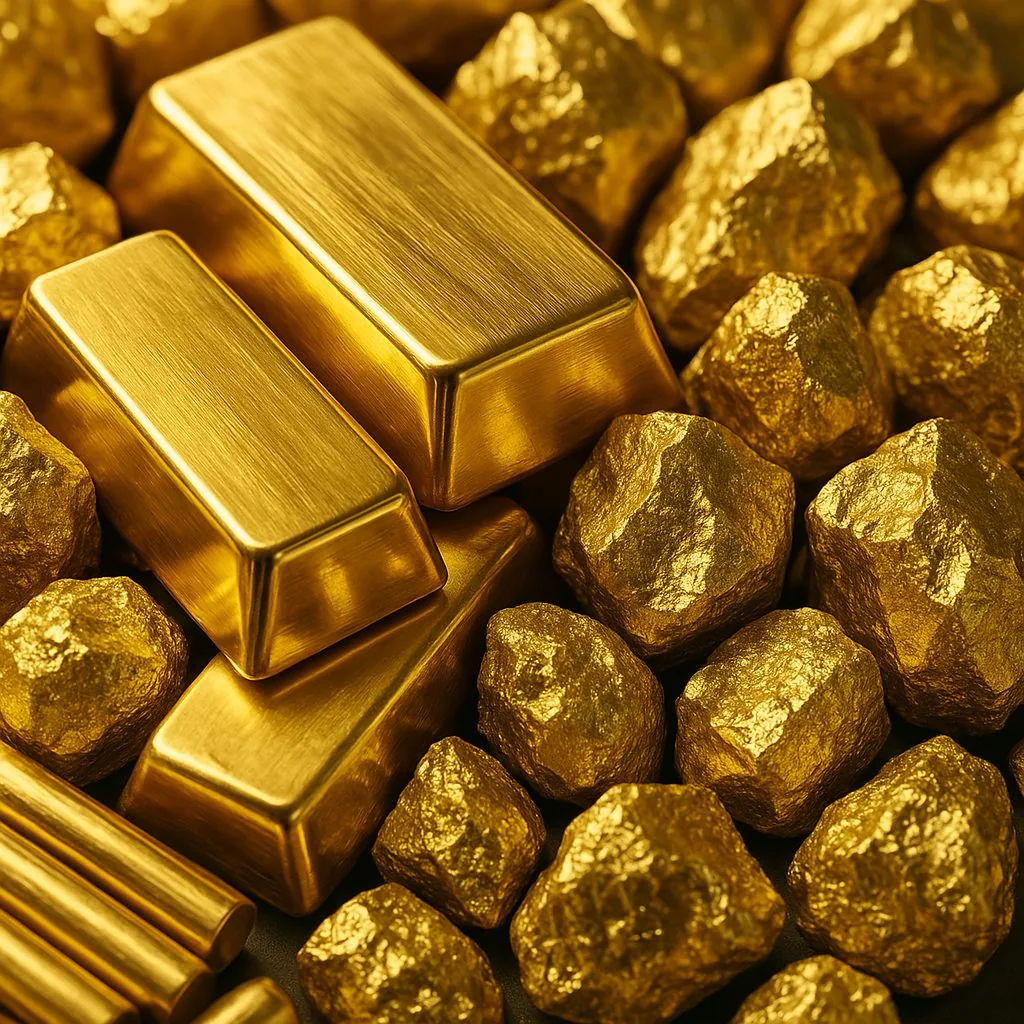
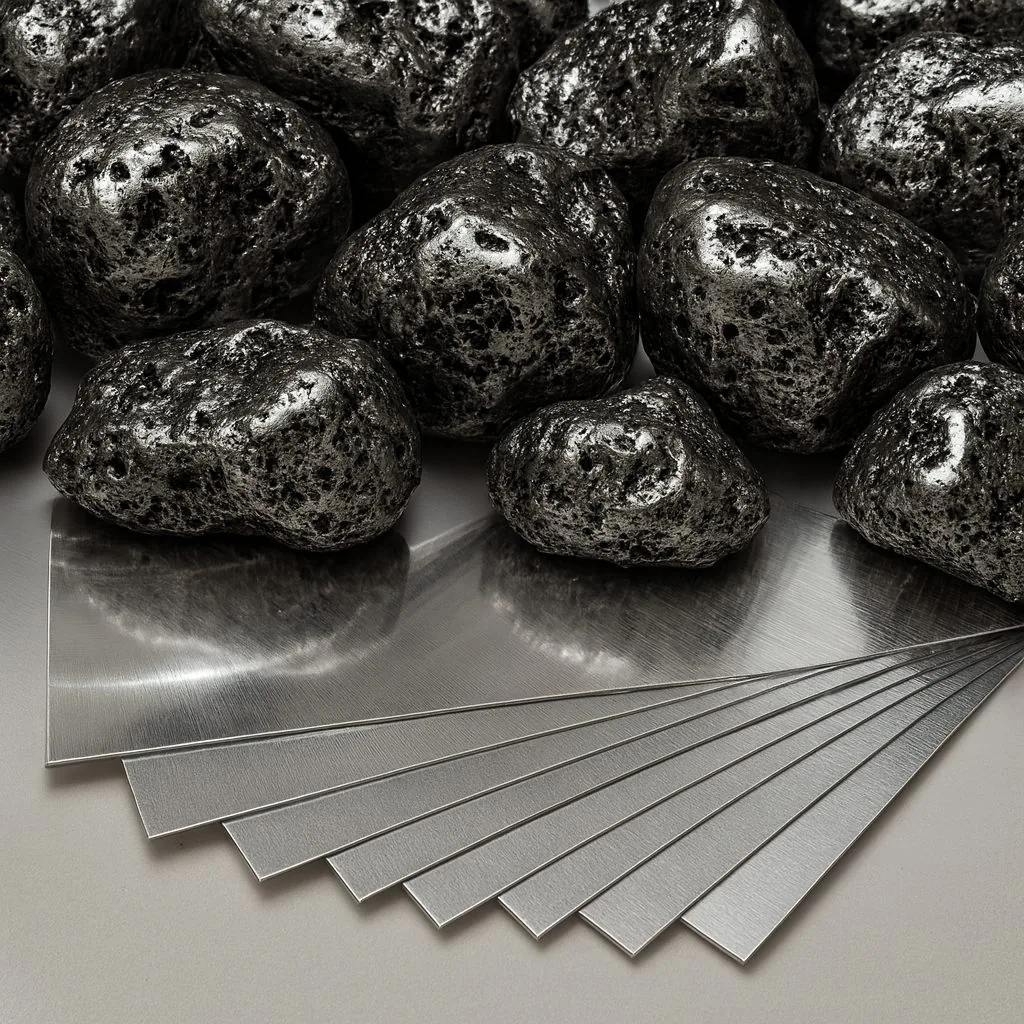
Platinum is the element with atomic number 78, symbol Pt. A precious metal, it is valued in the manufacture of cases and bracelets for its white colour as well as its resistance to corrosion and abrasion. Its high volumetric mass (21.5 g/cm³) sometimes makes it suitable for manufacturing oscillating weights or Balance weights, for example.
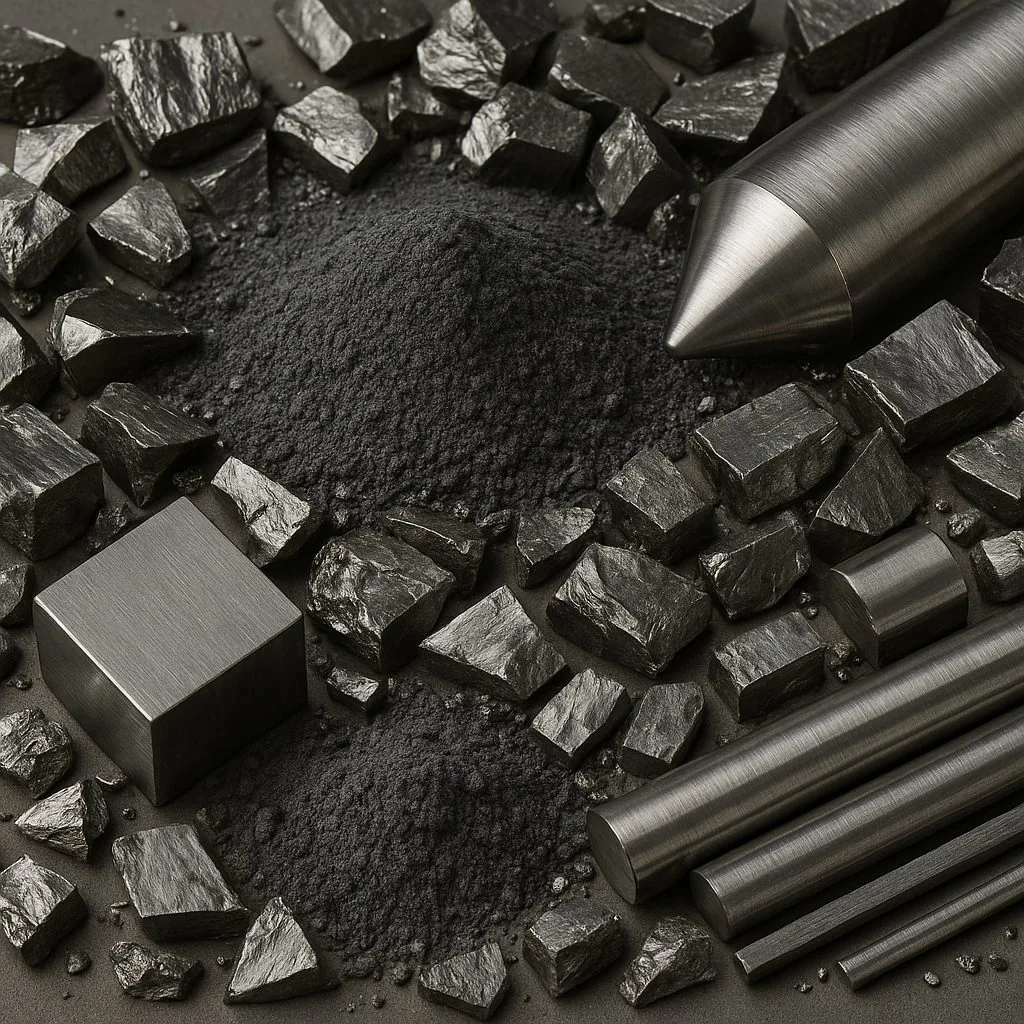
TANTALUM
Rare and now essential to certain industries, tantalum has only been used very occasionally in watchmaking External parts (case, dial, hands). It has unique mechanical properties and specificities, as well as a volumetric mass close to that of gold. The electronics industry uses most of the resources for their remarkable electrical properties. The aerospace industry also uses it as an additive element in superalloys.
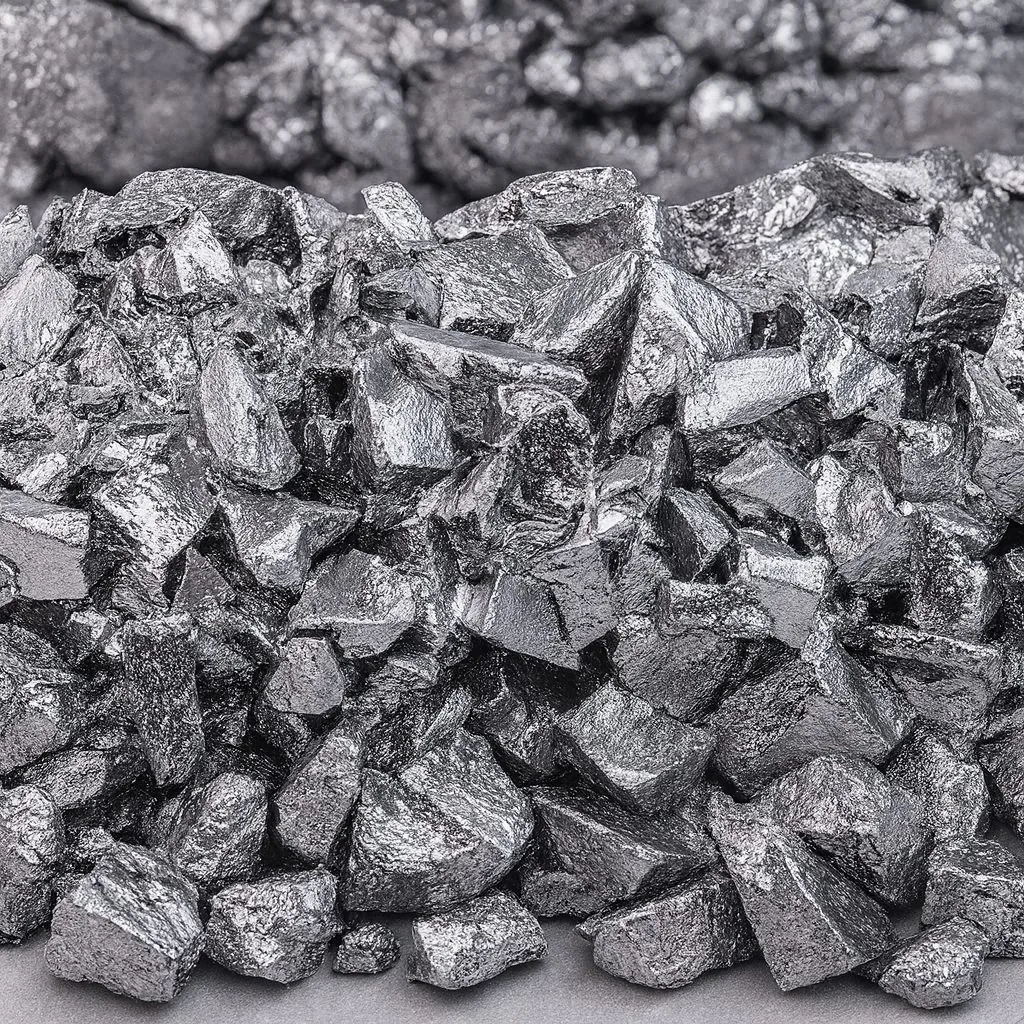
TITANIUM
First appearing in watchmaking in the late 1960s, titanium stands out from other metals due to its lightness, strength, and resistance to corrosion. It has many other mechanical and physical qualities that make it a metal used today for making cases and bracelets, as well as movement components.
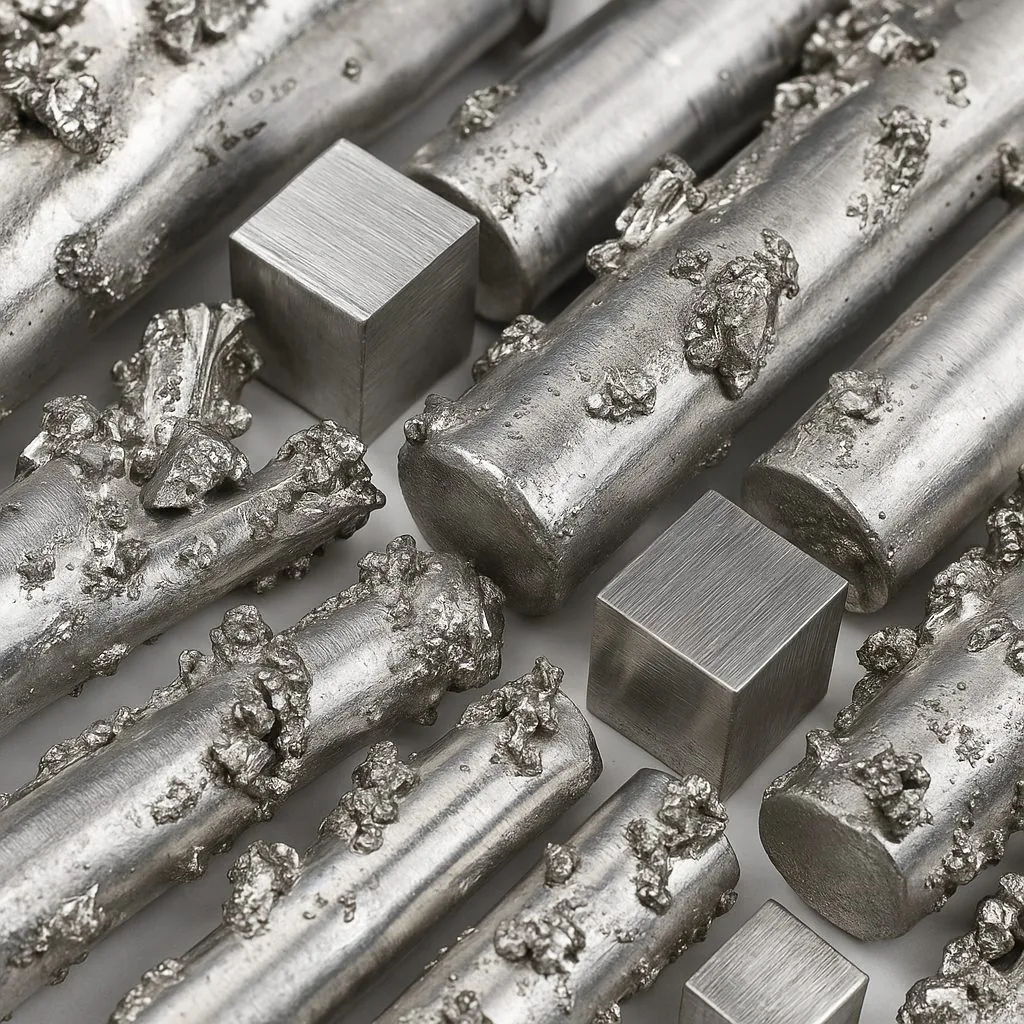
TUNGSTEN
Tungsten is a heavy and particularly hard metal. It is the element with the highest melting point, at 3,422°C. It is the metal that offers the greatest tensile strength, resists oxidation and corrosion, and is non-magnetic. In watchmaking, it is used exclusively in the form of alloys intended for the manufacture of tools.
This page has been automatically translated from the French reference version using an artificial intelligence tool. Errors or inaccuracies may remain. If you notice any, especially if this is your native language, please feel free to report them to us at info@horopedia.org. Your contribution helps us improve the quality of the encyclopedia.
While awaiting their translation, images and videos remain temporarily displayed in French.
Thank you for your understanding.