
MENU
1. General description
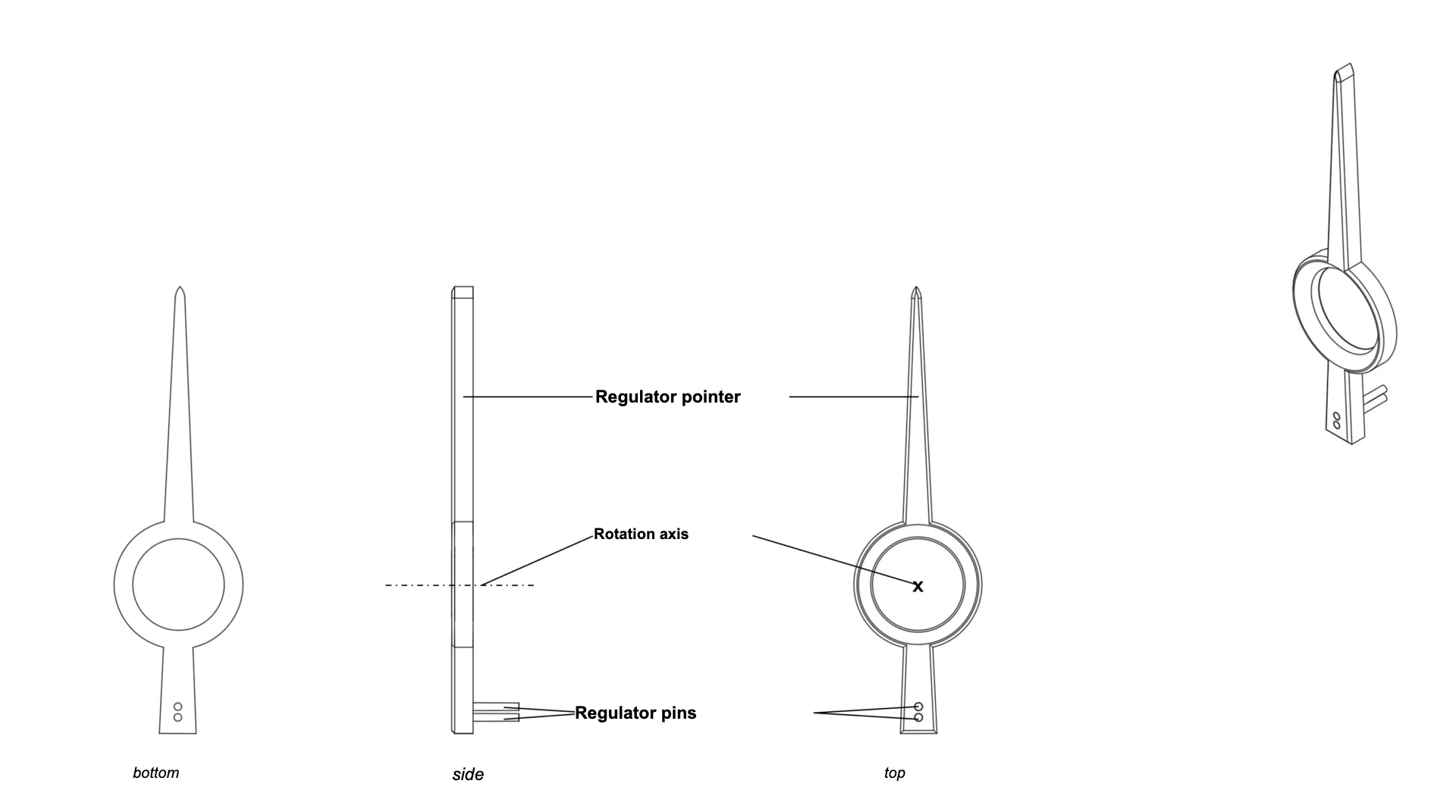
Figure 1
Diagram of a regulator
Click on the thumbnail to enlarge it
Figure 2
Correction of the active Length of the Hairspring (balance spring) (of the Daily rate) by the Regulator
Click on the animation to enlarge it
The Regulator is generally made of Steel. It allows correcting the rate of the watch (running fast and slow) by modifying the active Length of the Hairspring (balance spring). As is often the case in horology, its name simply comes from its shape. The Regulator pivots concentrically around the Axis of rotation of the Balance. A long lever, called the regulator arm (Figure 1), allows its angular position to be adjusted. Opposite the regulator arm is a shorter arm which, depending on the construction, carries either:
- Two pins (Figure 3)
- One pin and a Regulator Key with vertical retention of the Hairspring (balance spring) (Figure 4)
- Two pins and a Regulator Key (Figure 5)
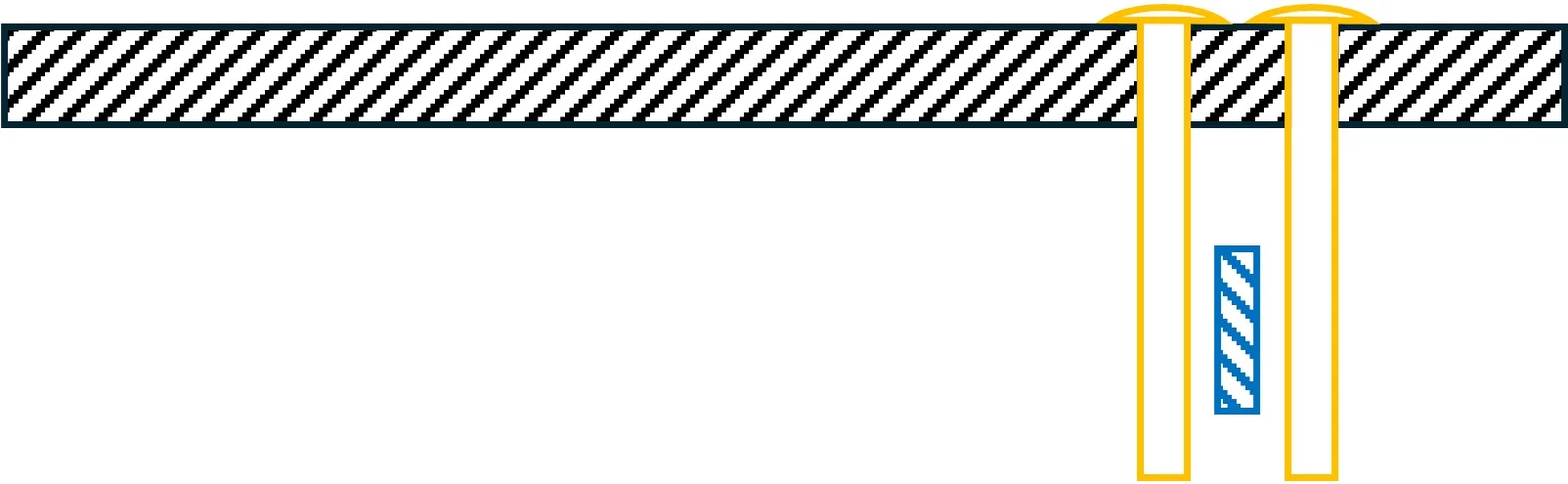
Figure 3
Two-pin system
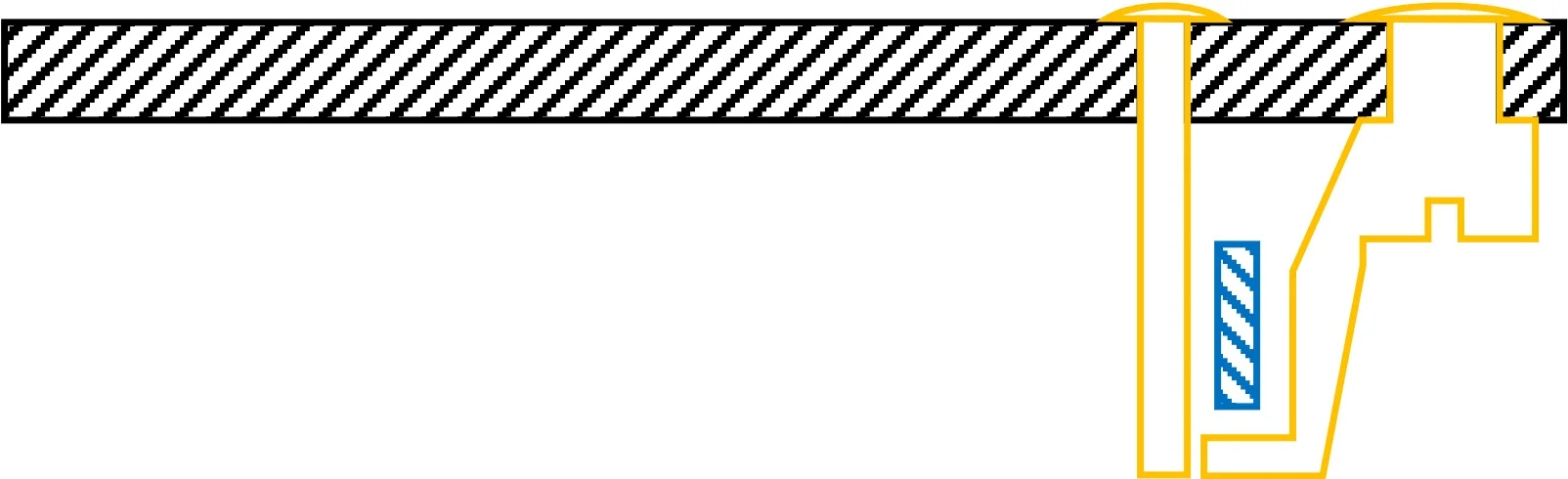
Figure 4
One-pin and Key system
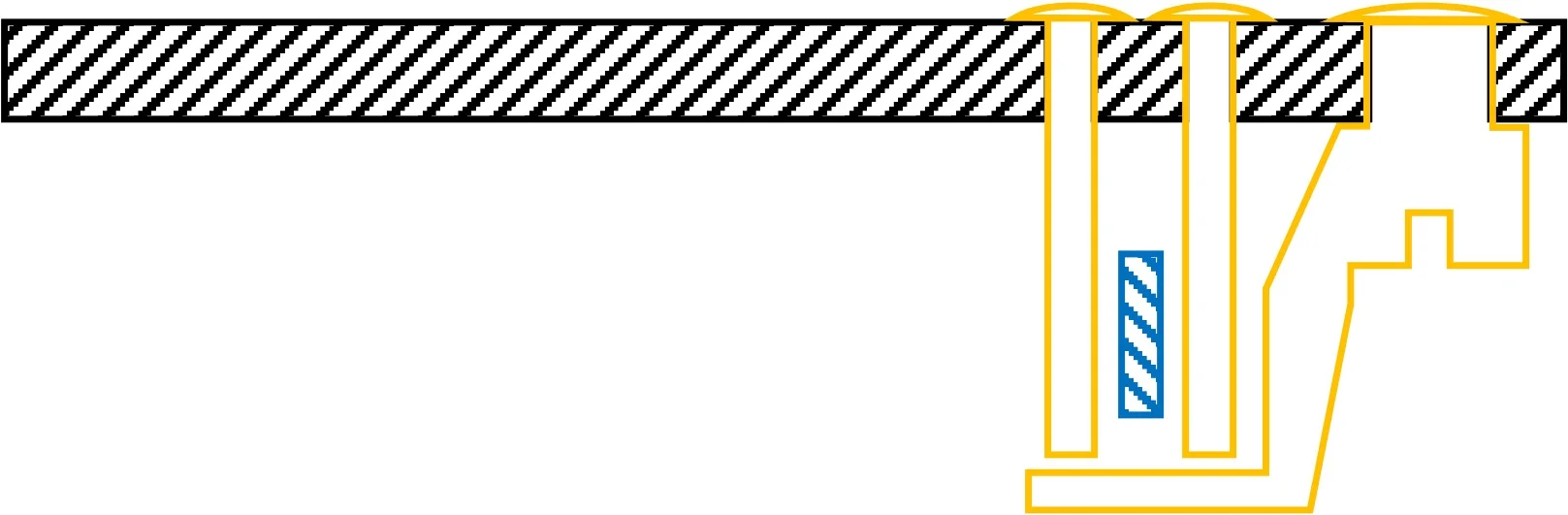
Figure 5
System with two pins and one Key
Click on the thumbnails to enlarge them
The Hairspring (balance spring) passes between the pins, or between the Regulator Key and a pin. It must be centered there when at rest (watch unwound). The pins and, if applicable, the Regulator Key, must be perfectly clean and polished so as not to disturb the Isochronism. They must also be perfectly parallel in order to avoid any difference in rate between the horizontal positions (CH and CB).
In some cases, a graduation can be observed on the surface of the Balance cock, at the tip of the Regulator’s pointer, which allows the correction to be quantified (Figure 6).
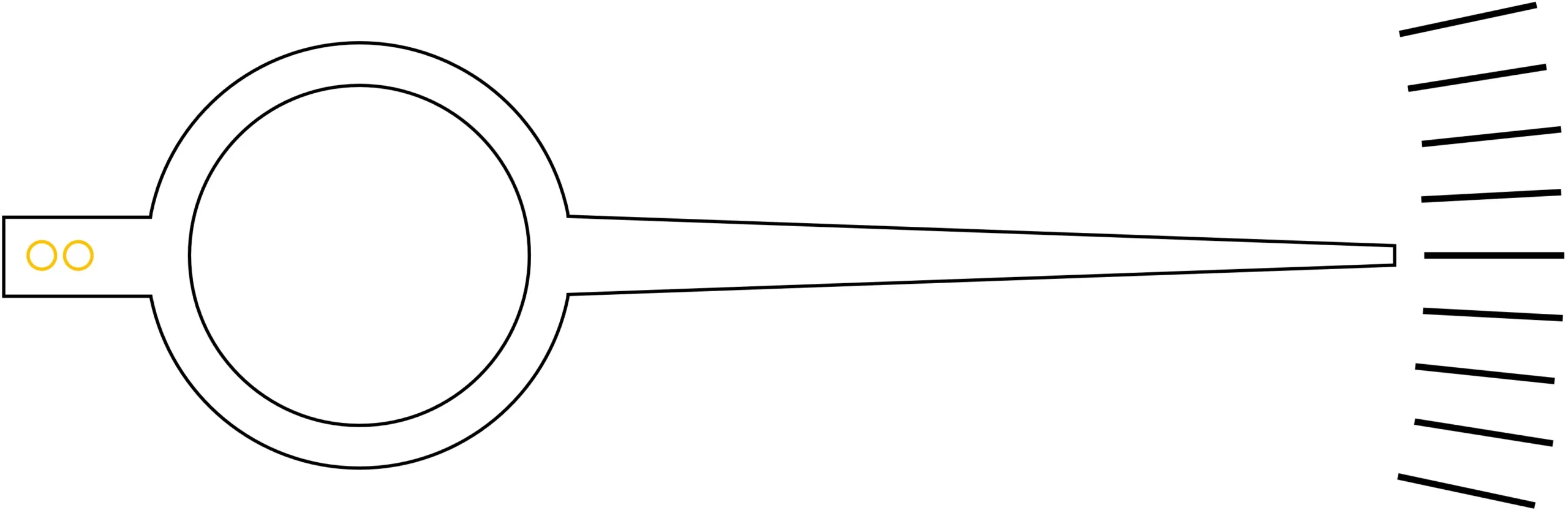
Figure 6
Regulator with graduation on Balance cock
Click on the thumbnail to enlarge it
In certain constructions, particularly for large-series watches of standard quality, the Regulator is split and does not have a pointer (Figure 7). Its operation nevertheless remains the same as that of a conventional Regulator.
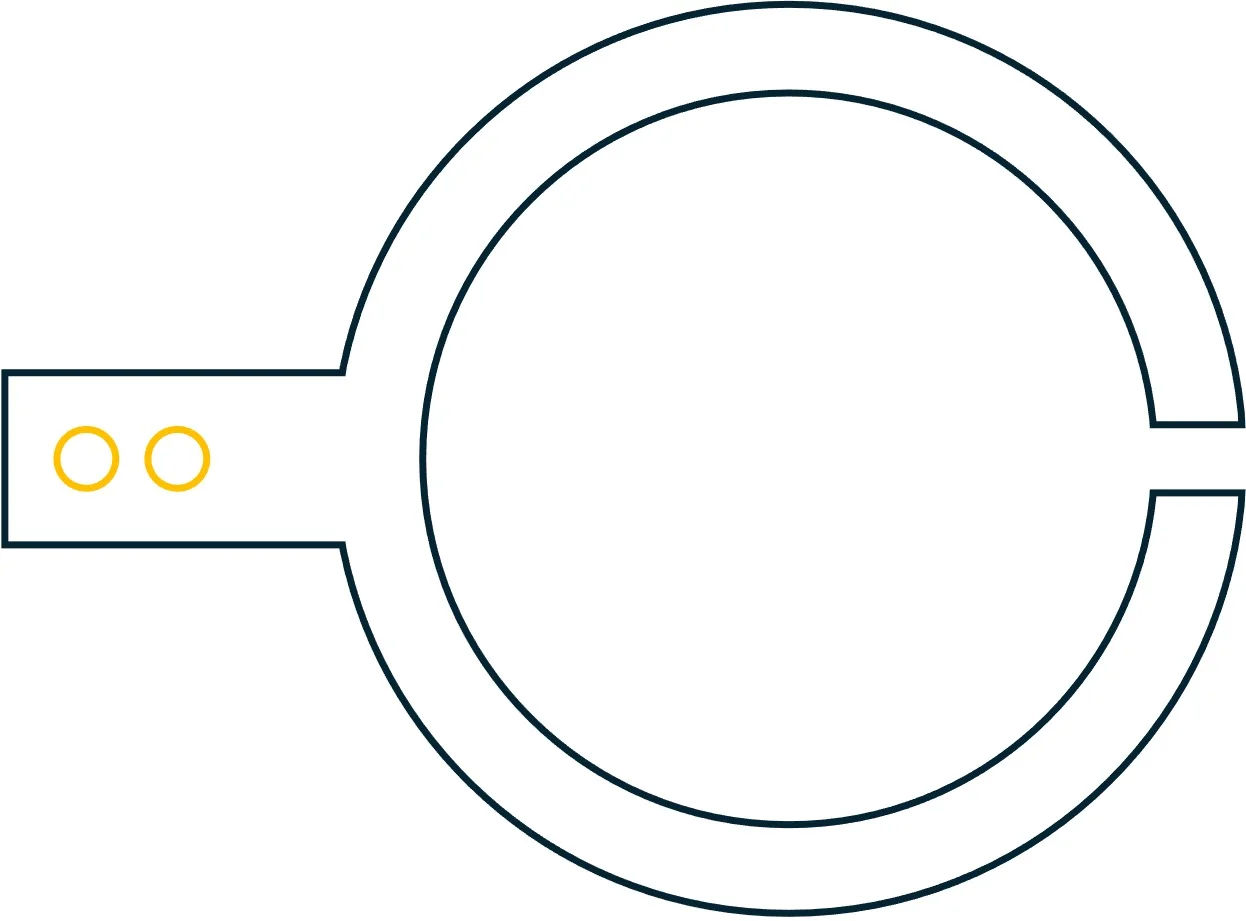
Figure 7
Regulator without pointer
Click on the thumbnail to enlarge it
Finally, a more high-quality construction incorporates a Regulator spring (also called regulating spring or, more commonly, “Swan’s neck”) (Figure 8). This holds the Regulator’s pointer in contact with a micrometer Screw (or an Eccentric), preventing any accidental movement of the Regulator. The micrometer Screw, for its part, allows the position of the Regulator to be adjusted with increased precision.
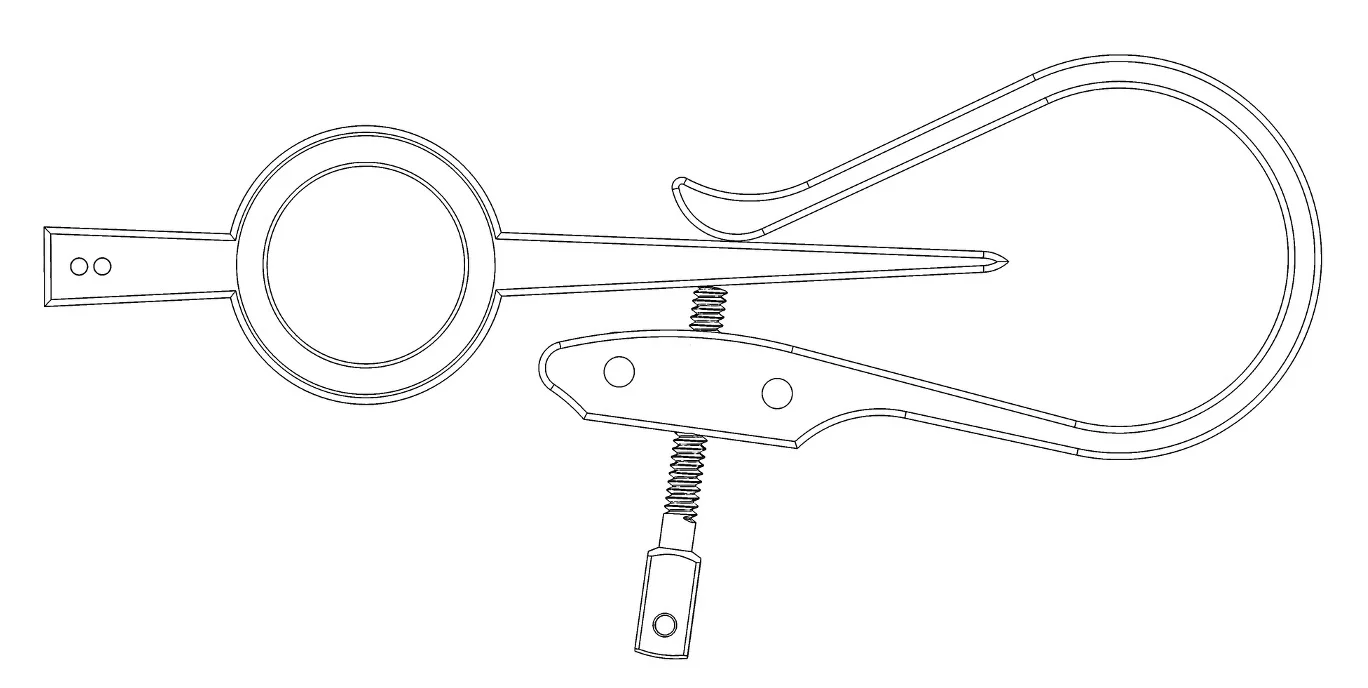
Figure 8
Regulator with Swan’s neck and micrometer Screw
Click on the thumbnail to enlarge it
When the watch features a mobile Stud holder, the Regulator pivots on it and concentrically. The friction must allow the Regulator and the Stud holder to be maintained in their adjustment positions and to correct their position angularly independently without moving the other (Figure 9).
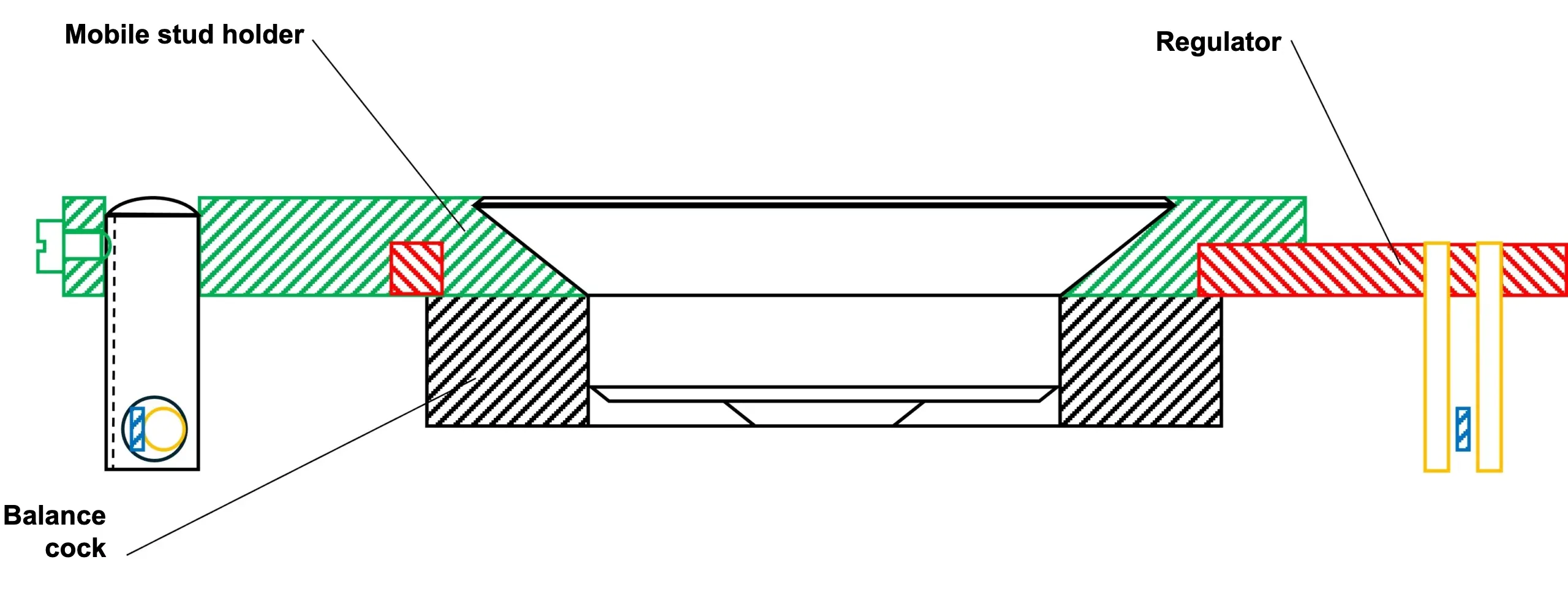
Figure 9
Regulator with mobile stud holder
Click on the thumbnail to enlarge it
It should be noted that the Regulator is not an essential component for the operation of a mechanical watch. Some prestigious constructions use variable-Inertia Balances, which makes it possible to do without a Regulator (Regulation / Adjustment by correcting the Moment of inertia of the Balance rather than by correcting the active Length of the Hairspring (balance spring)).
2. History
The first components that can be linked to what we today call the “regulator assembly” logically appear with the invention of the Balance Hairspring (balance spring) as a Regulator by Christian Huygens in 1675. However, the first watches thus regulated did not really include a Regulator. It would seem that the appearance of the first Regulator was due to John Harrison, on his famous H4 Chronometer, in 1759. The Regulator devised by Harrison was not intended to allow an average correction of the Daily rate by modifying the active Length of the Hairspring (balance spring), as is the case nowadays. Harrison, already aware of the influence of thermal variations, designed and placed the Regulator of his H4 in order to compensate for the thermal Expansion and contraction of the Hairspring (balance spring). To achieve this, he capitalized on his work in Bimetallic construction (which had already earned him the invention of the thermocompensating Bimetallic Balance). The Regulator is built around a double Blade composed of two different Metals. Through their combination, the Regulator will tilt to the left when temperatures drop and to the right when they rise. Since the movements of the Regulator are opposite to those of the Hairspring (balance spring) (Expansion-contraction), the Regulator corrects the active Length of the Hairspring (balance spring) during Temperature variations. Very complex to master, this system did not experience great development and quickly lost its appeal as mastery of Materials and Regulation / Adjustment theories progressed. The Regulator is nevertheless present in the majority of watches from its invention to the present day, but only in its role of adjusting the Daily rate (correction of the active Length of the Hairspring (balance spring)).
3. Handcrafted manufacture of a Regulator
The Horologist (watchmaker) begins the handcrafted manufacture of the Regulator by marking and drilling the center of its rotation Axis on the surface of a plate of Steel of a thickness slightly greater than that of the finished component. He then engraves the outline of the Regulator’s profile using a scriber, centering on the pivot point. He then delicately cuts out the outline of the Regulator using a Piercing saw (jeweler’s saw). The sides of the piece are then filed to bring the Regulator to its final thickness, in absolute respect of its shape. The Regulator is then beveled and polished using the usual tools (files, burnishers, Polishing). A large molding is generally polished at the center. According to the rules of the art, the craftsman then draws out the lines on the flanks of the piece (Satin finish) and the tiny flat surface that remains on the upper surface of the Regulator. As a result, he also adjusts the thickness of the Regulator in order to regulate its friction with the core of the Regulator. This friction must be light enough to allow precise adjustment of the Regulator’s position, and strong enough to prevent any unwanted misadjustment, particularly during shocks.
4. Artisanal Decoration of a Regulator
5. Semi-Industrial Production of a Regulator
To optimize the production costs of a single piece or a small series of components, Electrical discharge machining (EDM) proves particularly interesting. The implementation costs and machine processing time remain relatively low and suited to small production volumes. Moreover, this technology allows complex and fine profiles to be cut without exerting any mechanical stress on the component during its manufacture. Compared to the artisanal method, electrical discharge machining (EDM) cutting offers considerable time savings with good repercussions on the Decoration steps. The end of the manufacturing and decoration process resembles the artisanal method, or at least the required finishing level.
6. Industrial production of a Regulator
Large-scale series production justifies investment in a stamping die (striking tool) to manufacture Regulators at optimal cost. The widened contour of the profile is thus stamped directly into a strip of Steel with a thickness slightly greater than that of the finished component, using a stamping press. Manual steps nevertheless remain unavoidable. The Regulator must thus be brought to its final dimensions (profile and thickness) while giving it the finishing touches and the Decoration desired (Satin finish, Beveling / Angling, Polishing, etc.).
This page has been automatically translated from the French reference version using an artificial intelligence tool. Errors or inaccuracies may remain. If you notice any, especially if this is your native language, please do not hesitate to report them to info@horopedia.org. Your contribution helps us improve the quality of the encyclopedia.
While awaiting their translation, images and videos remain temporarily displayed in French.
Thank you for your understanding.