
THE DIFFERENT MEASUREMENTS AND THEIR UNITS
Dimensional, angular, electrical, optical or temporal, measurements are omnipresent in watchmaking manufacturing processes, which are themselves instruments capable of compiling numerous measurements. In watchmaking, units of measurement are often adapted and calibrated according to the specificities of the industry.
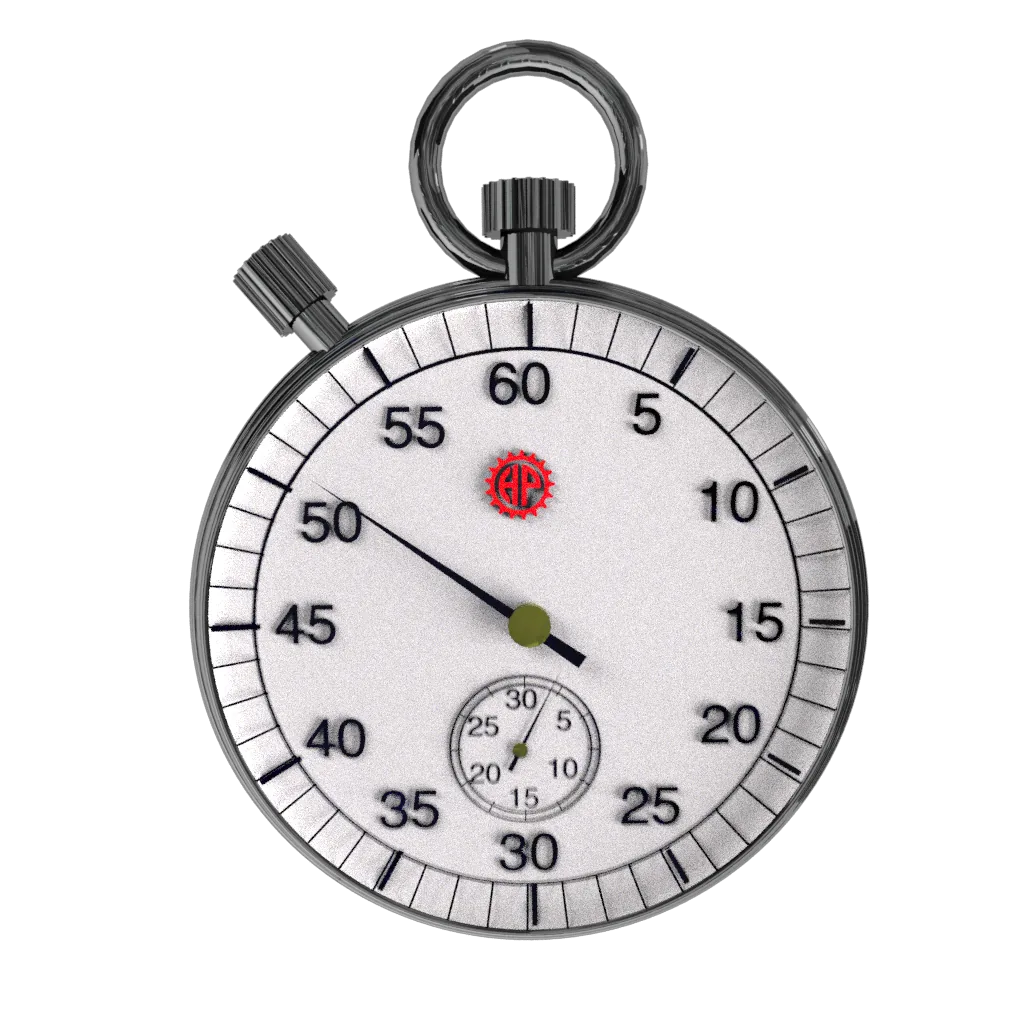
TIME
Whether it involves indicating the time or measuring a defined time, whether it involves long durations or extremely short periods, the measurement of time relies on a large number of units of measurement. The division of the hour itself can become decimal in specific cases. Here we cover the most common units in watchmaking.
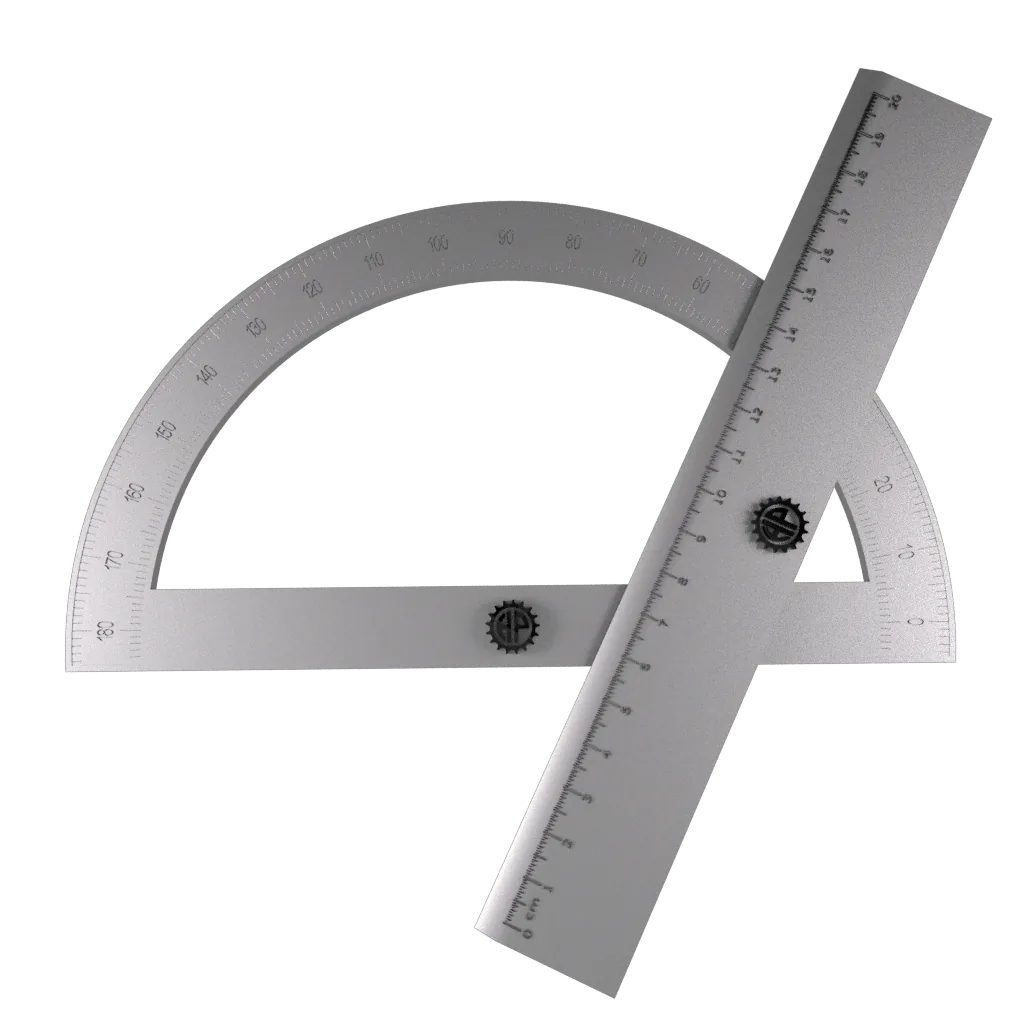
LENGTHS AND ANGLES
Unlike the majority of industries, the unit of measurement for length used in watchmaking is the millimeter. A specificity due to the limited dimensions of a watch and its components, as well as the precision they require. Angular measurements are traditionally expressed in degrees, along with all their subdivisions (angular minutes, angular seconds, etc.).
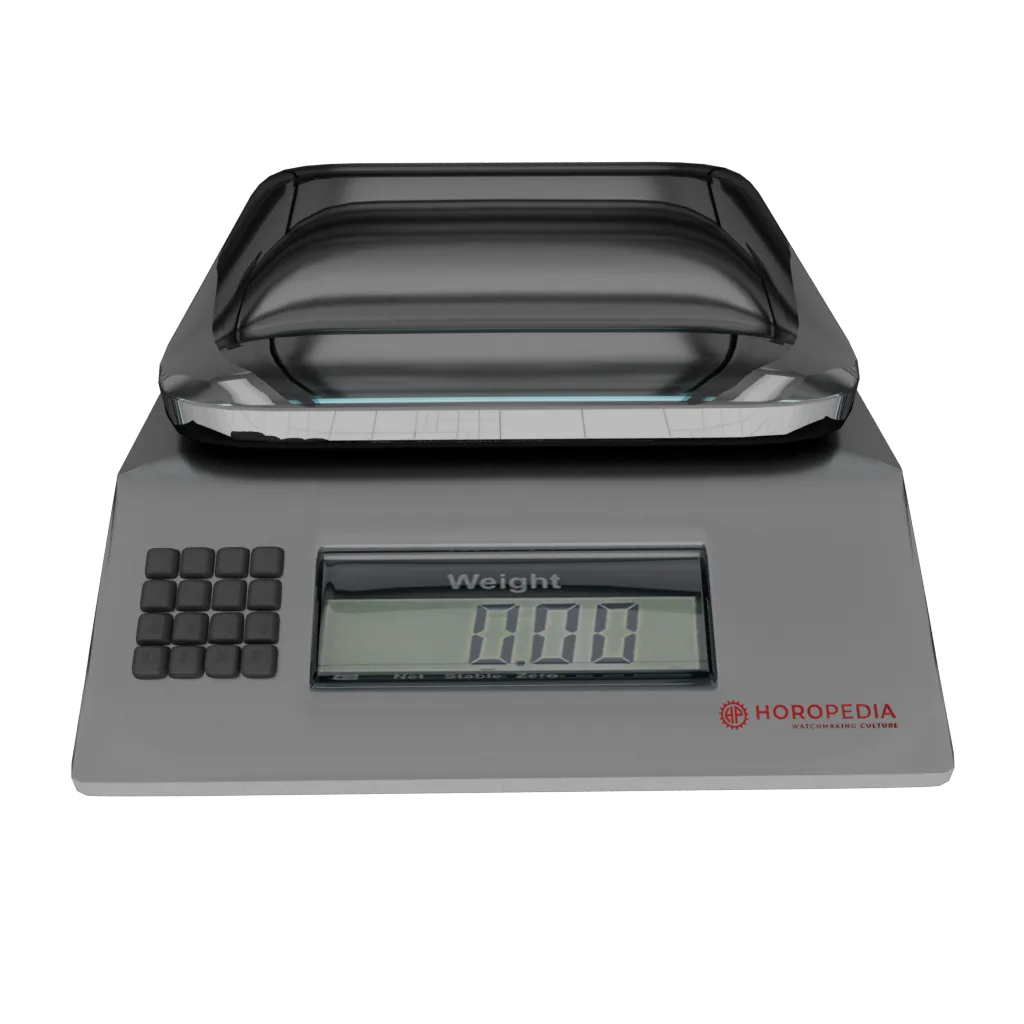
MASS
Some components must be light, others heavy. Some must be balanced, others not. Mass and inertia are constant values, regardless of production methods, and the nature and range of the product (component).
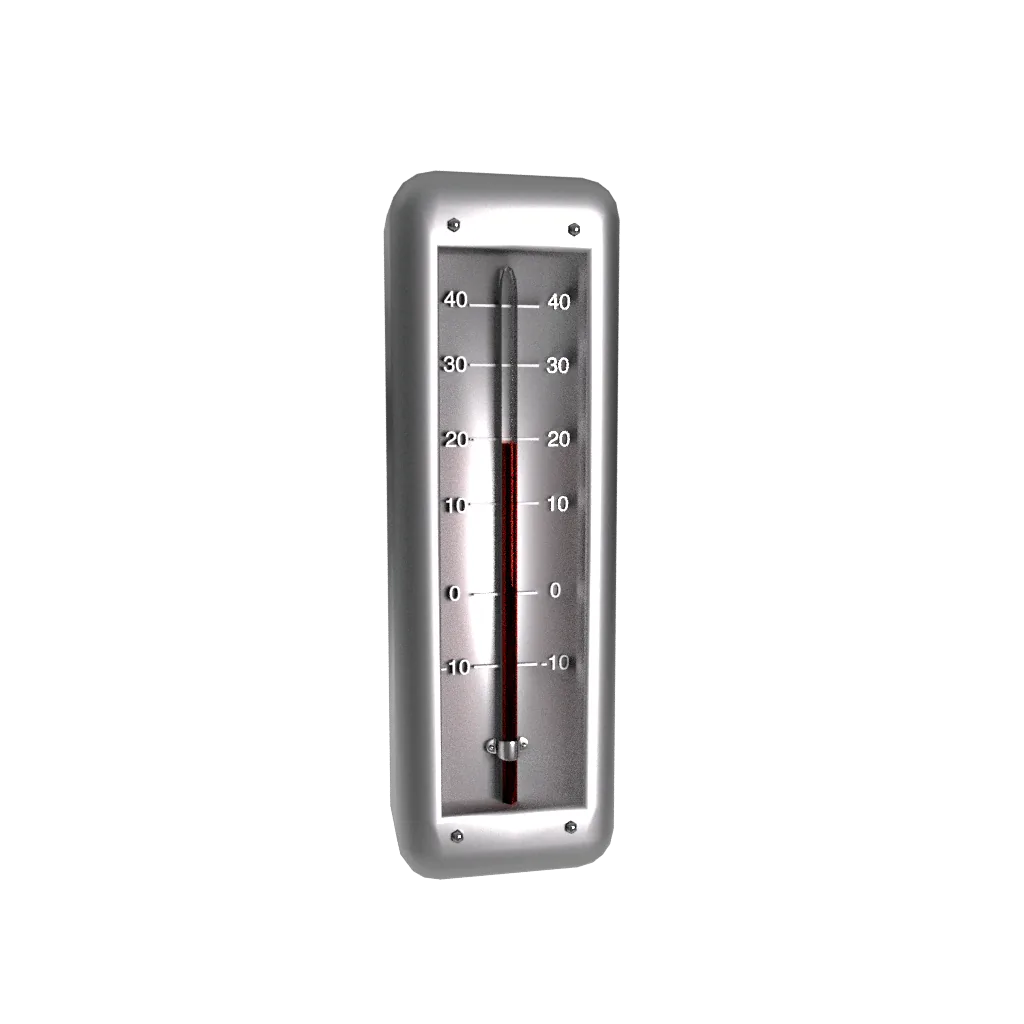
TEMPERATURE
In many manufacturing processes, rigorous testing of temperatures is essential. Temperature and its variations also have a formidable influence on the functioning of watches (particularly mechanical ones). Depending on the case, the units may be degrees Celsius, Fahrenheit or Kelvin, and measurements require great precision and high-tech means. In other situations, measurement can prove much more empirical. For example, the Temperature of a heat treatment such as tempering is traditionally assessed by eye through the successive colors taken on by the Steel as its Temperature increases (e.g. straw yellow = approx. 230 °C, dark blue = approx. 288 °C).
FREQUENCY
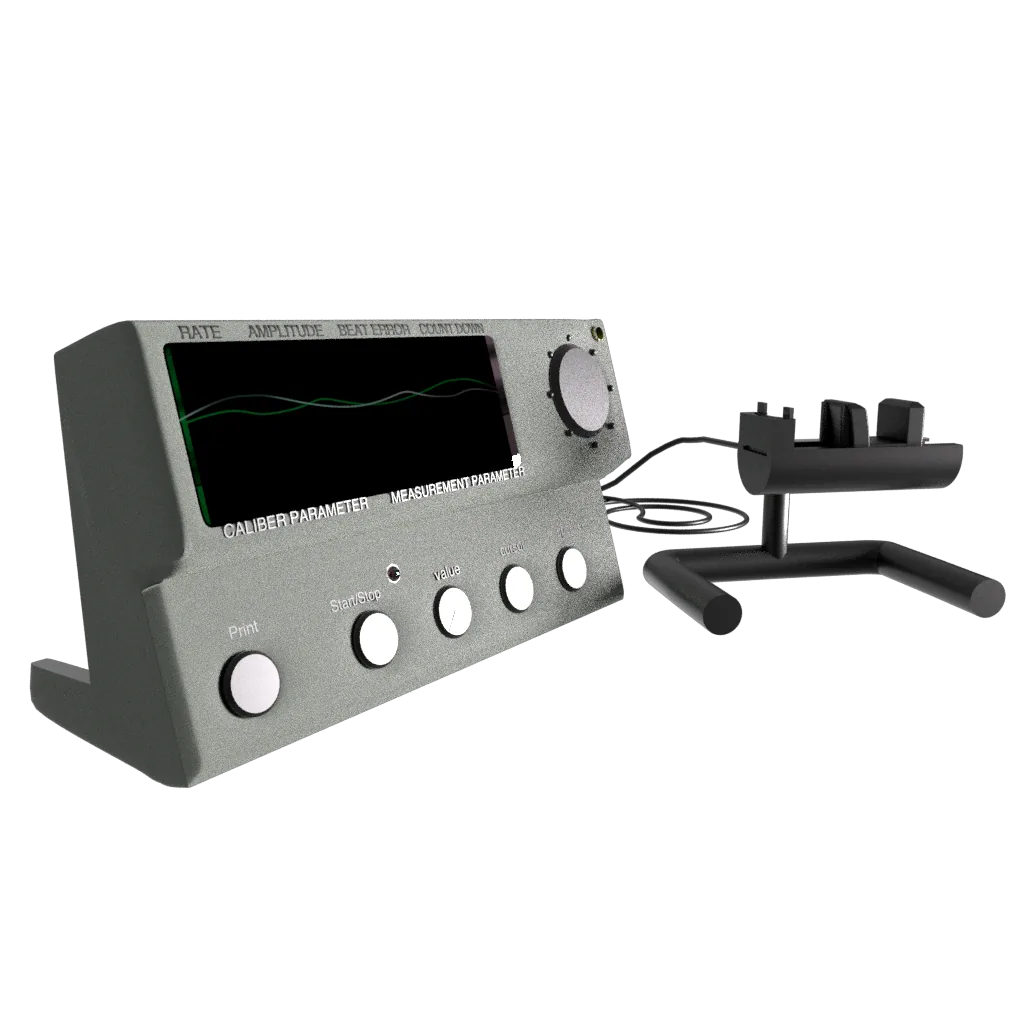
It is the number of times a periodic phenomenon repeats over a given period. In watchmaking, the most common frequency measurement concerns the regulating organ (oscillator). This is generally expressed in two distinct units: the number of vibrations per hour (V/h) or the number of oscillations per second (hertz, Hz). Thus, 18,000 V/h corresponds to 2.5 Hz.
AMPLITUDE
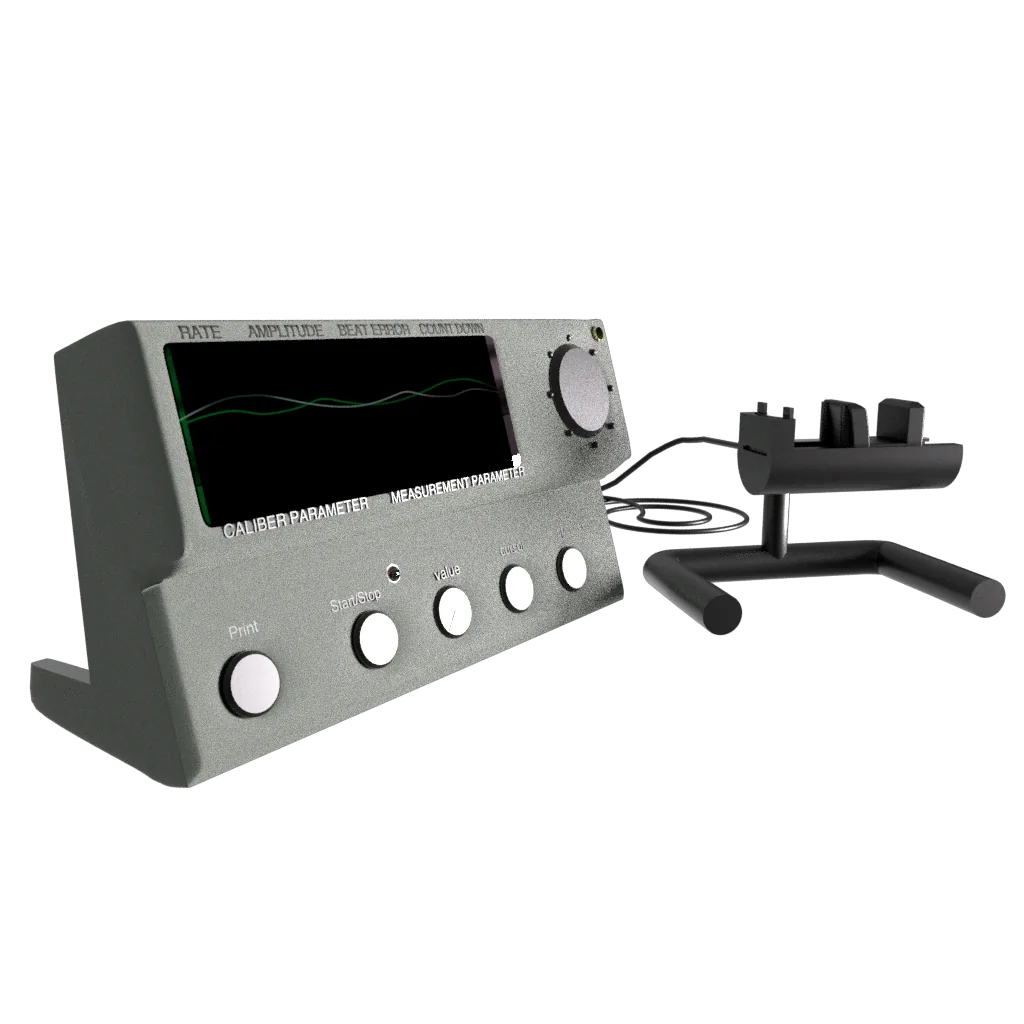
Amplitude expresses the difference between the extreme values of a quantity (of a wave). In watchmaking, the amplitude of the oscillator is a factor determining the accuracy of a watch. It is the angle traveled by the balance between the Dead point (equilibrium position) and its extreme position, that is, the angle traveled during a half-vibration. It is expressed in degrees of arc (°).
ELECTRICAL MEASUREMENTS
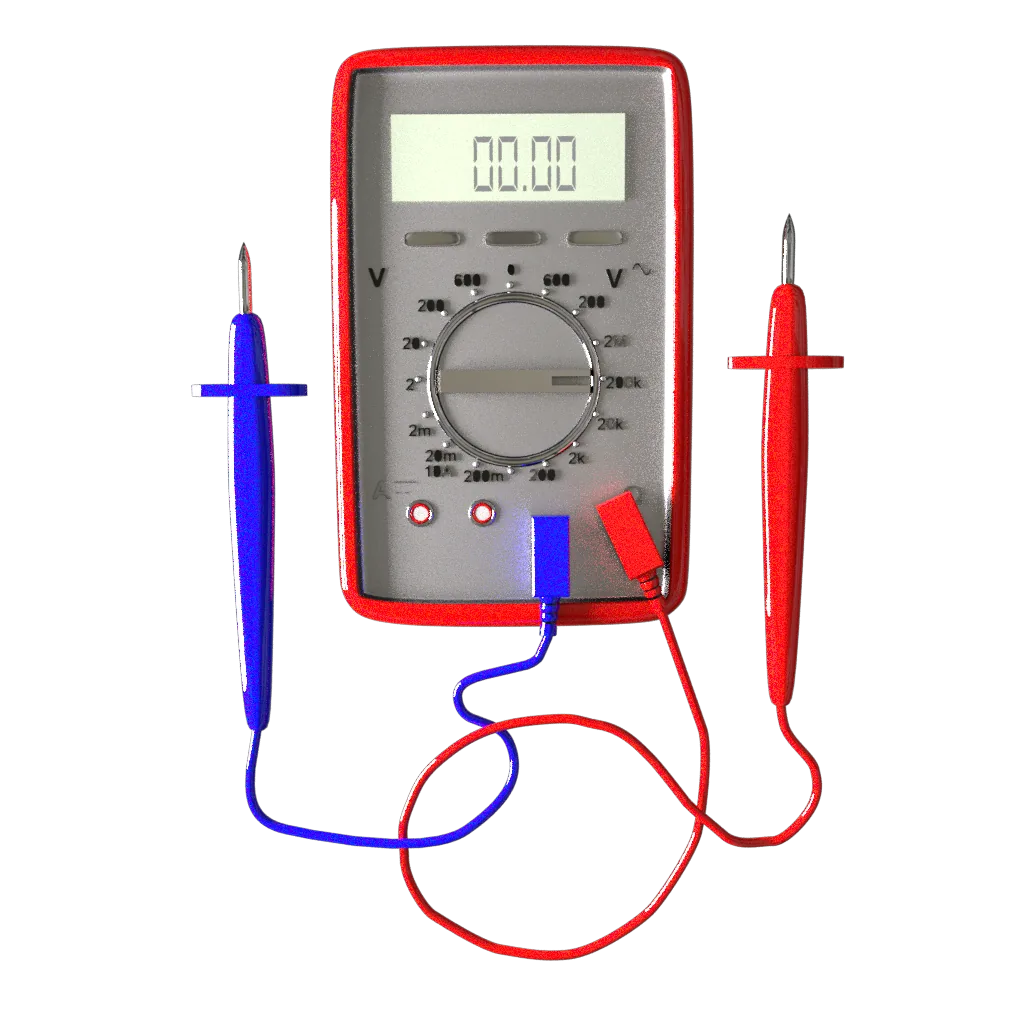
While there is, by definition, no presence of electricity in a mechanical watch, electricity and electronics are present in the majority of timekeeping devices. The first electric clocks were produced during the first half of the 19th century. Today, some clocks and watches are sometimes equipped with hybrid (electromechanical) movements. Of course, electricity is the energy that powers workshops, but some machines also use it as a tool. Thus, it is an electric arc that cuts material through electrical discharge machining or solders the feet of a dial, and it is an electric current that “transports” material during electroplating treatments (galvanic treatments). Electrical measurements are thus omnipresent in modern watchmaking, whether artisanal or industrial.
HARDNESS
The Hardness of a Materialdetermines many characteristics of a component: its resistance to wear, impact, and scratches, as well as its coefficient of friction. A tool must be harder than the material to be worked. Hardness is an essential criterion both for the usage properties of a component and for the means to be implemented to manufacture it. Many units of measurement exist and are used, as well as many standardized hardness testing methods.
LIGHT
Light is present at various stages or in various manufacturing processes. Light is used in chemical etching methods, photolithographic processes (DRIE (Deep Reactive Ion Etching) etching, UV-LIGA), or to polymerize an adhesive or a composite lacquer, for example. Optics, for its part, finds most of its applications in dimensional testing during production. As for the watch itself, measurements related to optics and light specifically concern displays (intensity of a luminescent material, UV resistance, refraction, diffraction, etc.).
This page has been automatically translated from the French reference version using an artificial intelligence tool. Errors or inaccuracies may remain. If you notice any, especially if this is your native language, please feel free to report them to info@horopedia.org. Your contribution helps us improve the quality of the encyclopedia.
While awaiting their translation, images and videos remain temporarily displayed in French.
Thank you for your understanding.