
HAND OPERATED TOOLS
This chapter covers the light tools directly handled by watchmaking professionals. These tools generally have a specific purpose and are used for a wide range of tasks, including handling, manufacturing, decorating, cleaning, as well as inspecting and measuring components.
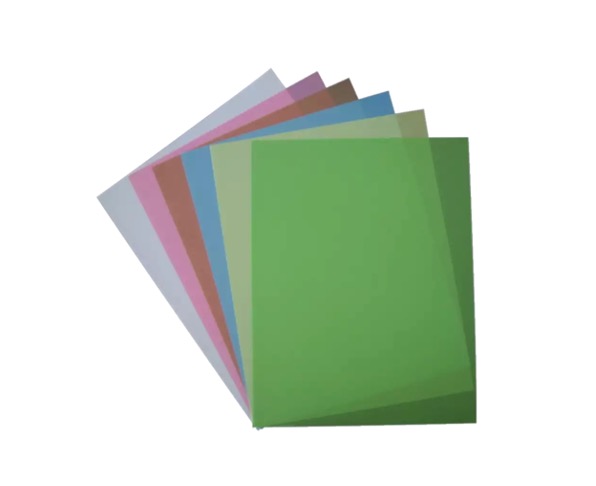
ABRASIVES
Abrasives are useful for shaping and decorating components, by hand or machine. They can be used to remove material (lapping, planing, diamond cutting, etc.) or to improve or decorate the surface (satin finishing, sandblasting, horological decorations, and polishing). Abrasives must always have a hardness greater than the material being treated.
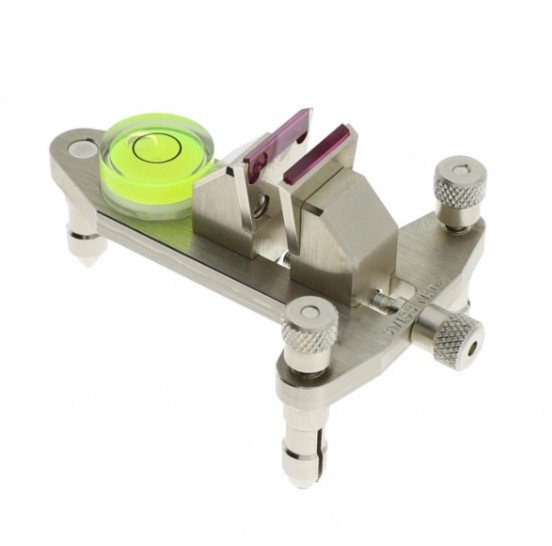
BALANCE WHEEL POISING TOOL
The balance wheel tester is a precision instrument designed to control and correct the static balance of the balance wheel in a mechanical watch.
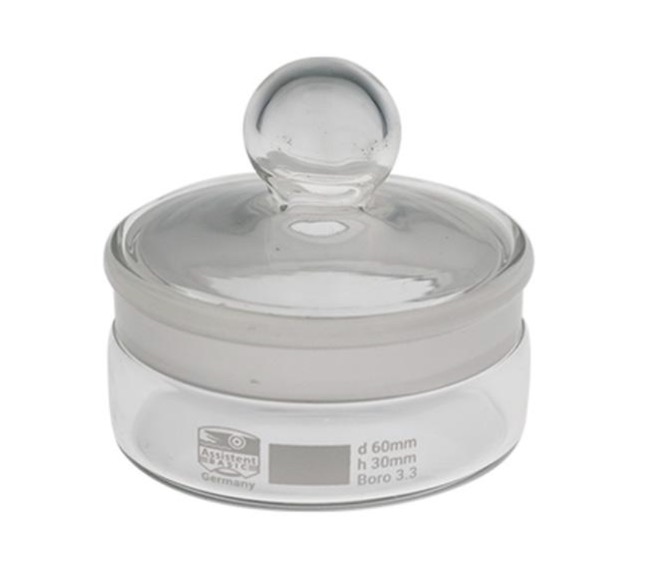
BENZINIER
The benzinier is a container commonly found on a watchmaker’s workbench. It contains rectified benzine or other degreasing and cleaning agents used to clean various components.
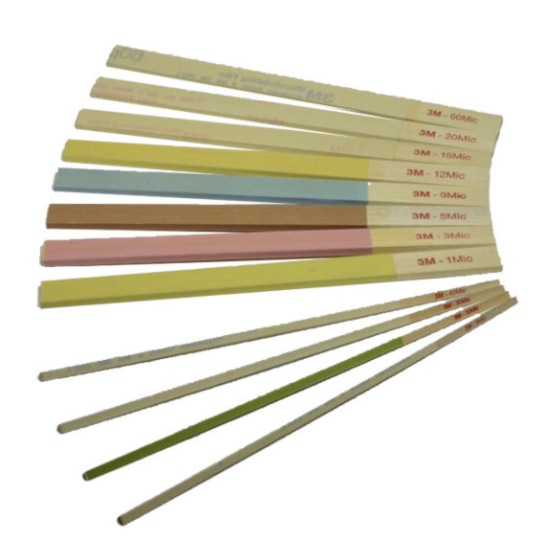
BUFF STICK
It is a wooden stick covered with abrasive paper. Similar to files, the cross-section of buff sticks (flat, round, triangular) depends on the profile of the component being worked on. Buff sticks are typically used to smooth the marks left by filing or machining, or to perform various decorative operations (satin finishing, removing file strokes, etc.).
BURNISHERS
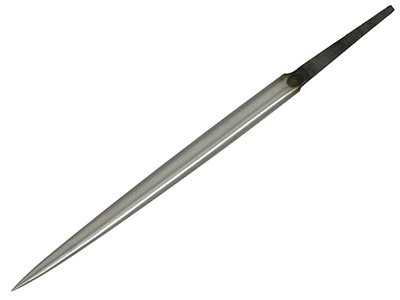
The burnisher is a handheld tool made of hard metal or stone (such as sapphire or diamond). It is used to work-harden the surface of a component, reducing its roughness, enhancing its surface hardness, and altering its mechanical properties, such as friction coefficient and corrosion resistance.

BOW-LATHE
A bow-lathe is a tool that allows for the manual engaging of a component or a tool in rotative movements.
BROACHES
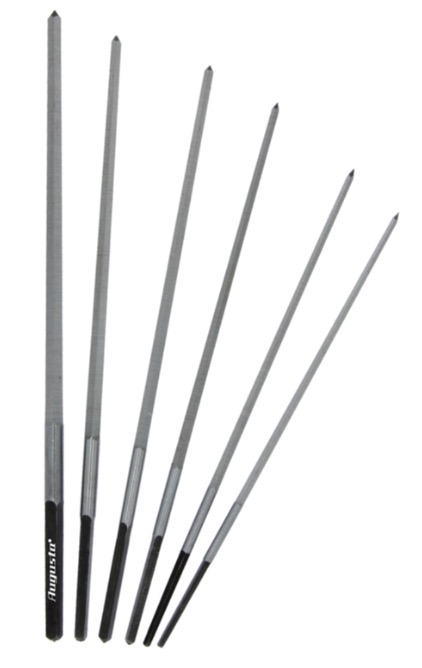
Broaches are hand tools used by watchmakers for cutting and calibrating, allowing precise finishing, adjusting, or enlarging of a hole drilled in a component.
CASE KNIFE
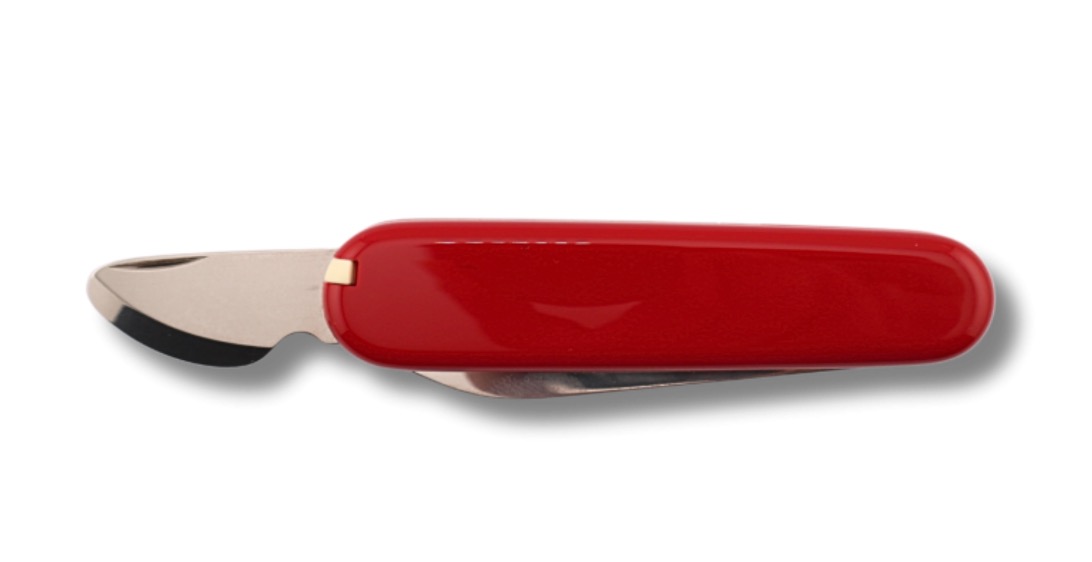
The case knife is the simplest tool used to open a watch case.
CASING CUSHION
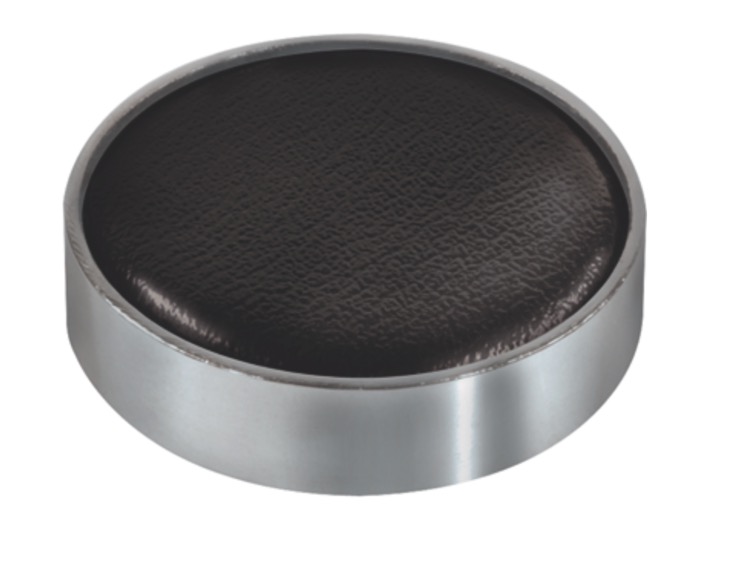
The casing cushion is a bench accessory designed to hold and support the watch case during delicate operations of fitting and removing the movement, dial, and case.
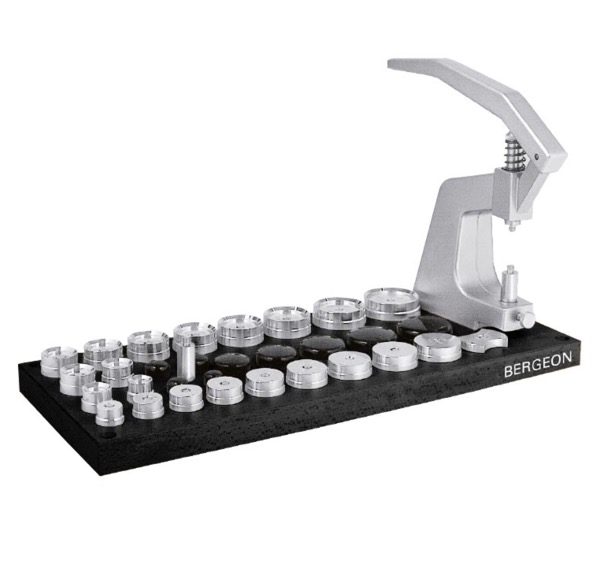
CRYSTAL-FITTING PRESS
The crystal-fitting press is a bench tool used for fitting and removing the crystal in a watch case.
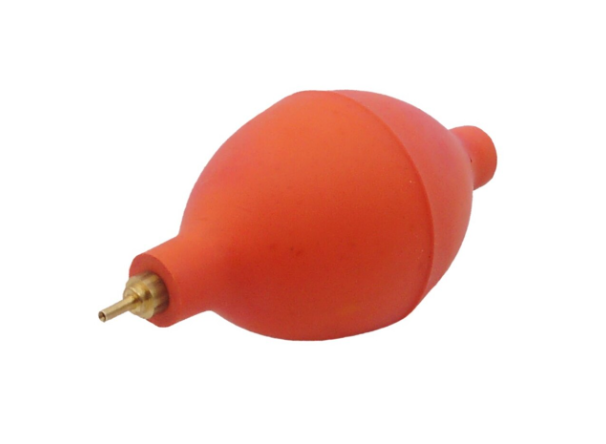
DUST BLOWER
It is a rubber bulb designed to blow air and remove dust.
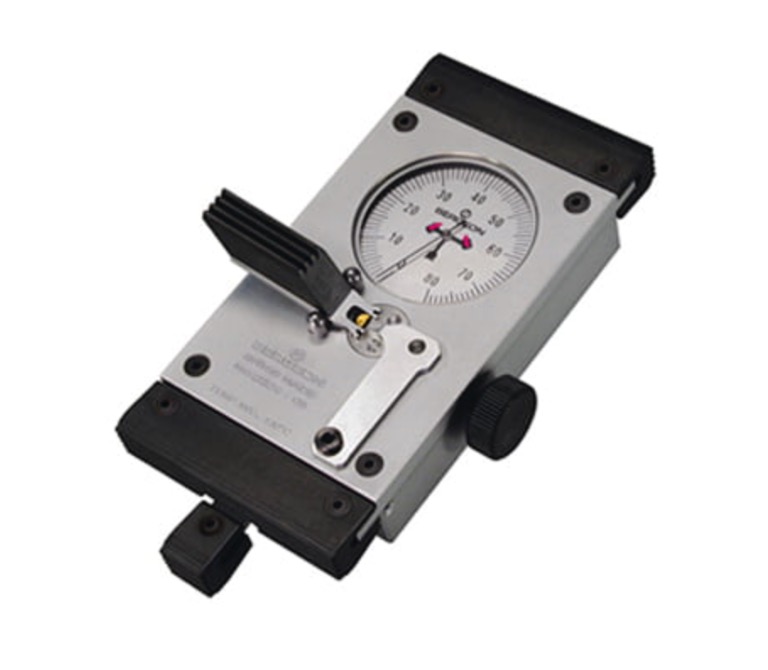
ESCAPEMENT TESTER
The escapement tester is a device used to adjust with high precision the position of the pallet stones within the lever fork during the final escapement adjusting operations.
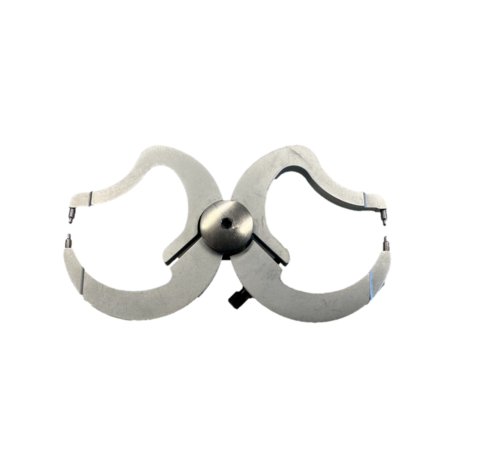
FIGURE-OF-EIGHT CALLIPER
The figure-of-eight calliper used to check the flatness (out-of-flat) and roundness (out-of-round) of a gear or a balance.
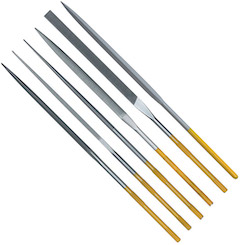
FILES
These are manual machining tools used to remove material like a rasp. Their shape and grain vary and are chosen according to the specific needs and the profile of the component being worked on.
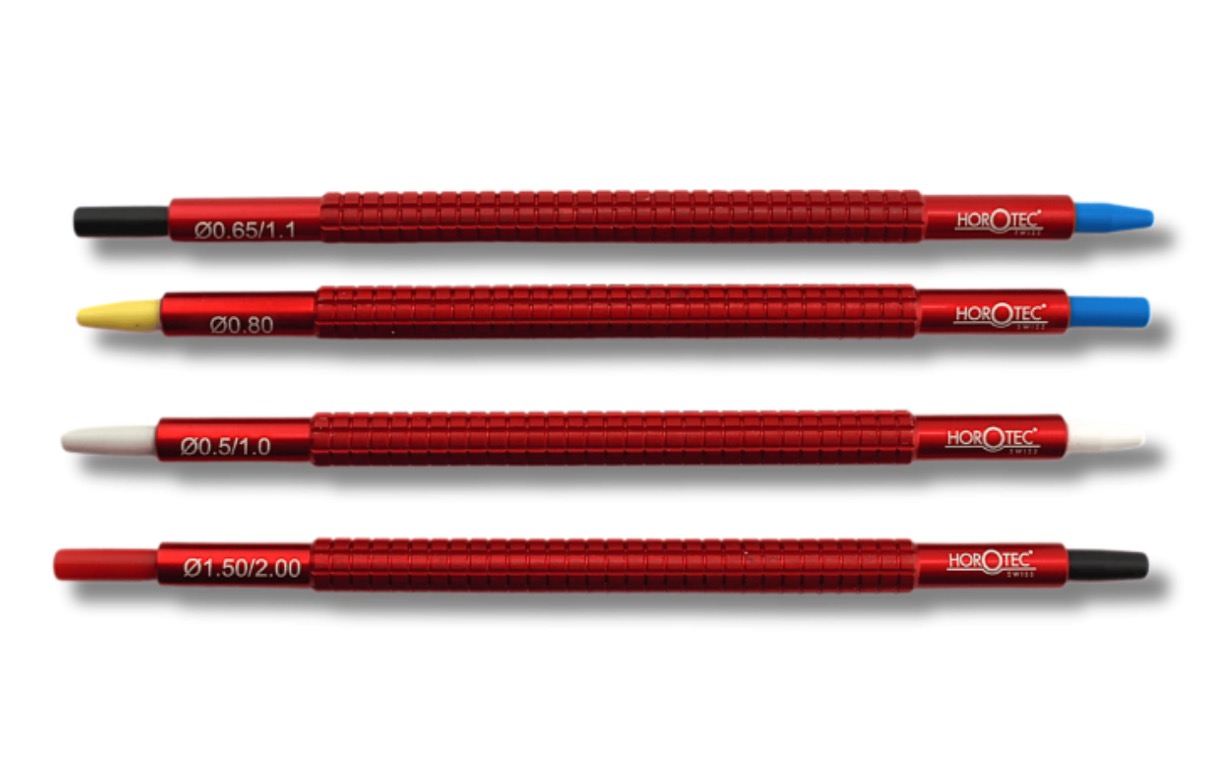
HAND-FITTING TOOLS
Hand-fitting tools are manual pushers used to attach the hands onto their respective pinions.
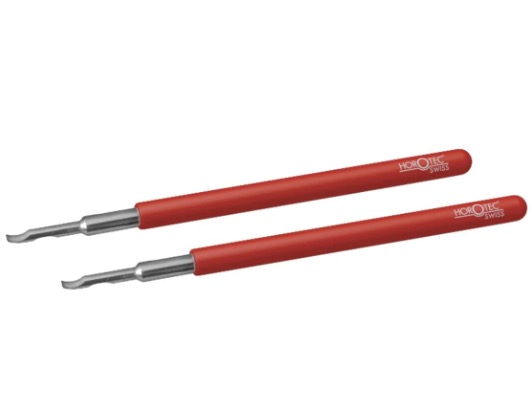
HAND LEVERS
Hand levers are a family of tools specifically designed for removing the hands of a watch.
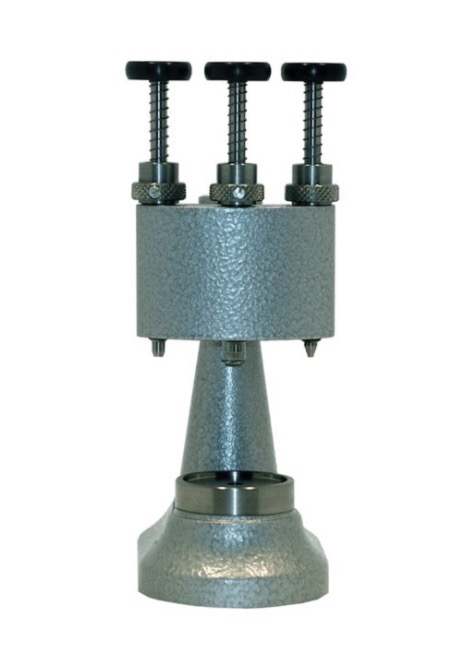
HAND-SETTING PRESS
The hand-setting press is a bench tool designed for fitting the hands in a more controlled setup than manual pushers.
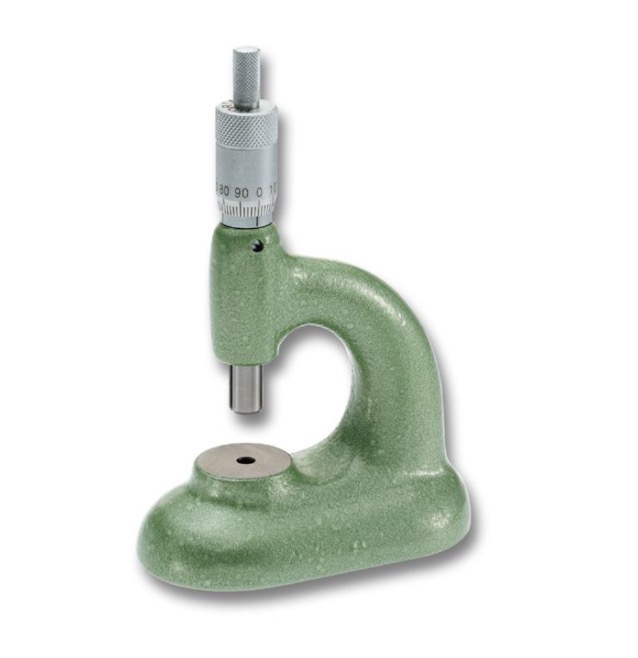
MICROMETRIC JEWELLING TOOL
The micrometric jewelling tool is a bench tool used for installing, removing, and adjusting the depth of watch jewels as well as bushings.
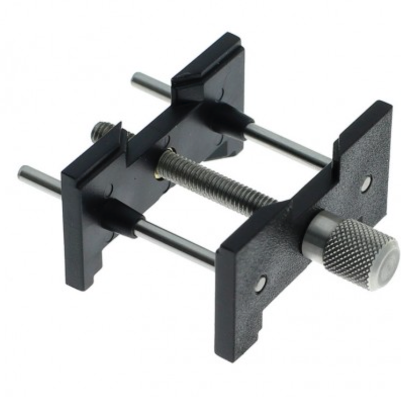
MOVEMENT HOLDERS
Movement holders are bench supports designed to secure a movement during assembly, disassembly, adjustment, and servicing operations.
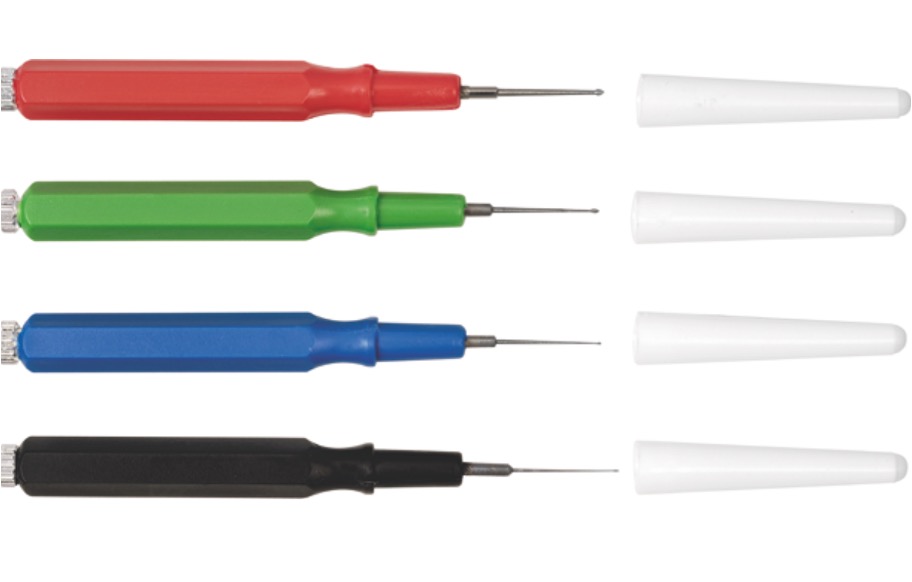
OILERS
Oilers are instruments used to pick up and apply a precise amount of lubricant to each lubrication point on the movement.
OIL POTS
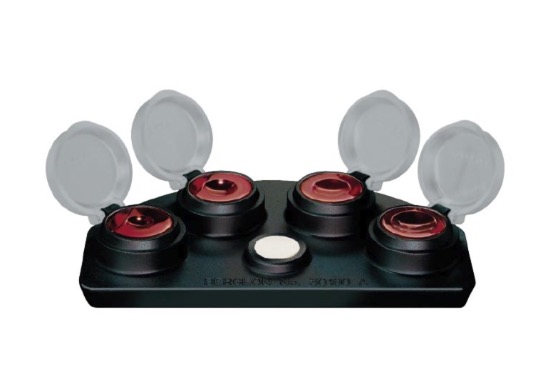
Oil pots refer to a set of specialized instruments designed for the storage and precise application of lubricants used in the watch movement.
PIERCING SAW
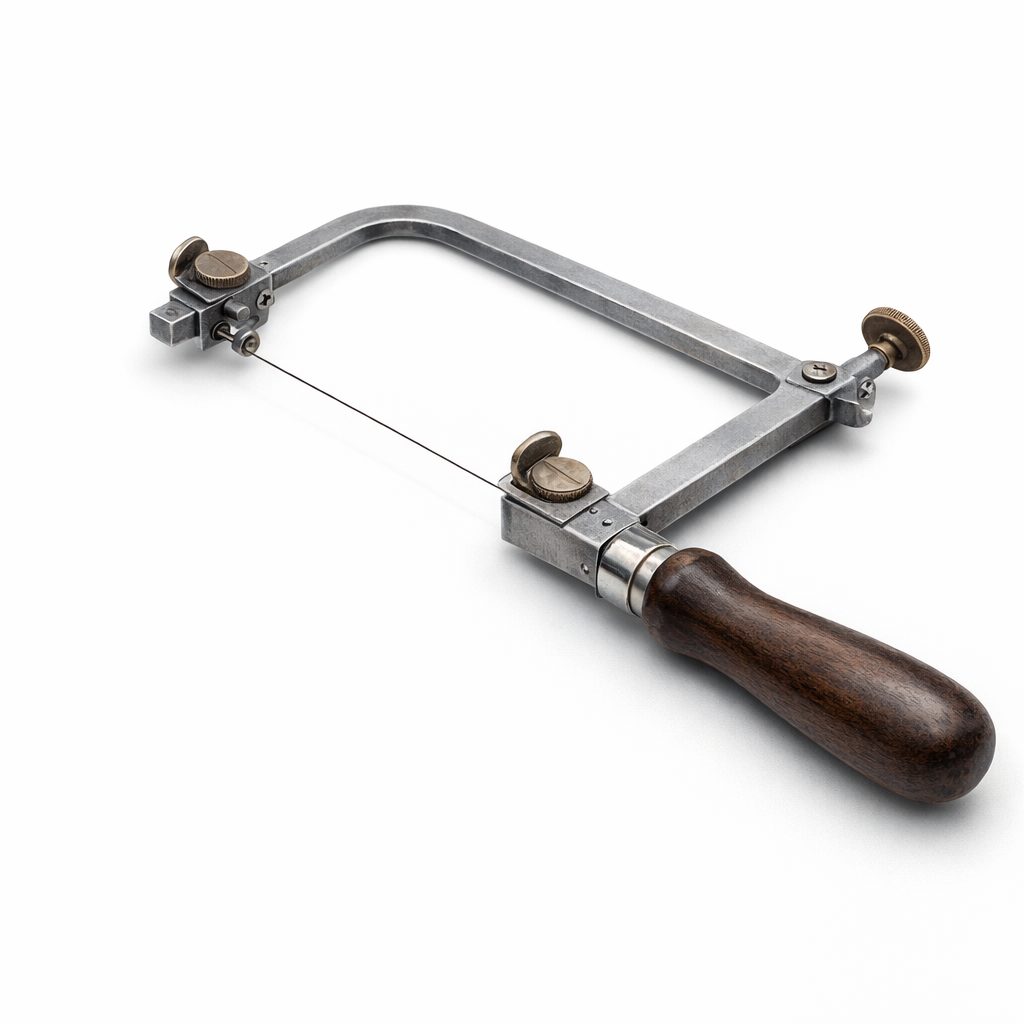
It is a type of jeweller’s saw used in traditional craftsmanship for cutting the profile of components, or for piercing and skeletonizing parts of the movement.
PIN VICE
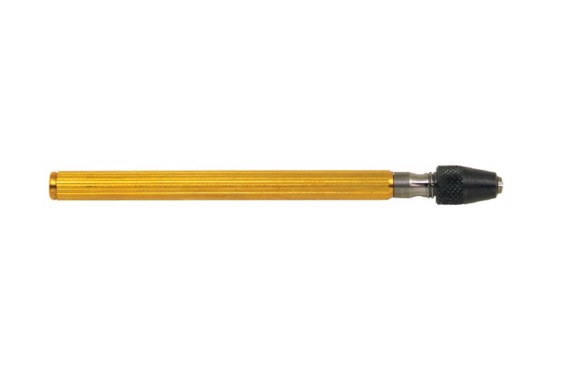
In watchmaking, pin vices refer to a family of portable holding tools designed to secure small cylindrical components for presentation to the working tool.
RIVETING-STAKE
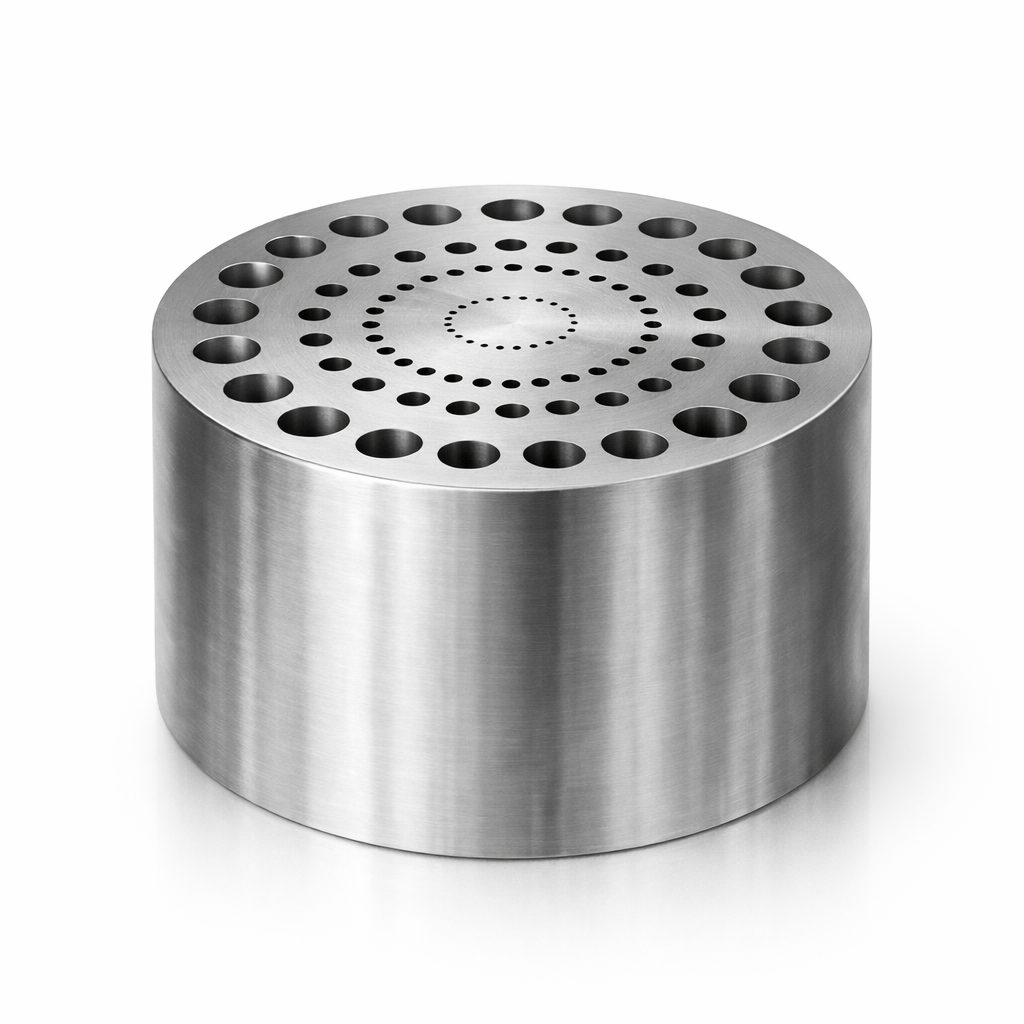
The riveting-stake is a plate or small block pierced with a series of holes of different diameters, designed to hold vertically components equipped with a shaft or pivot.
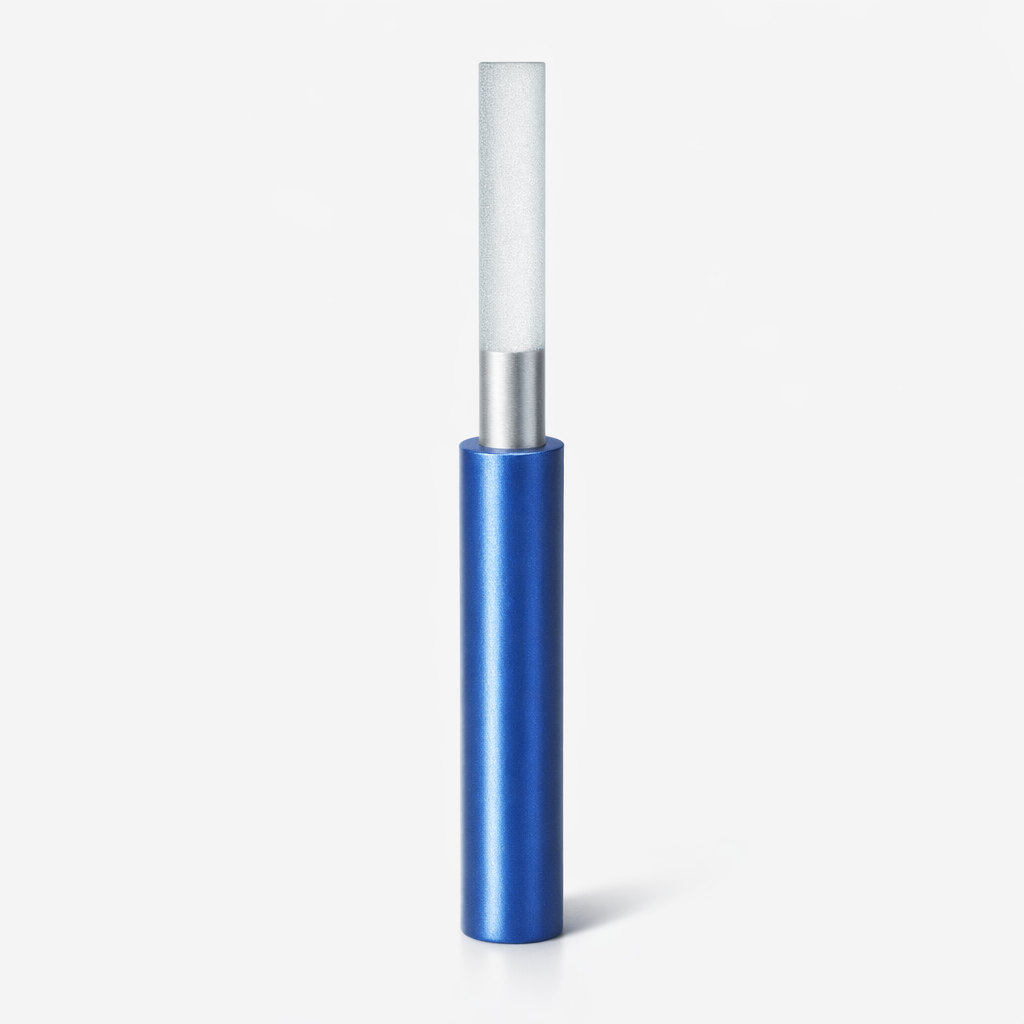
SAPPHIRE FILE
Sapphire files are most commonly used for rolling pivots, as well as for decorating and finishing movement components.
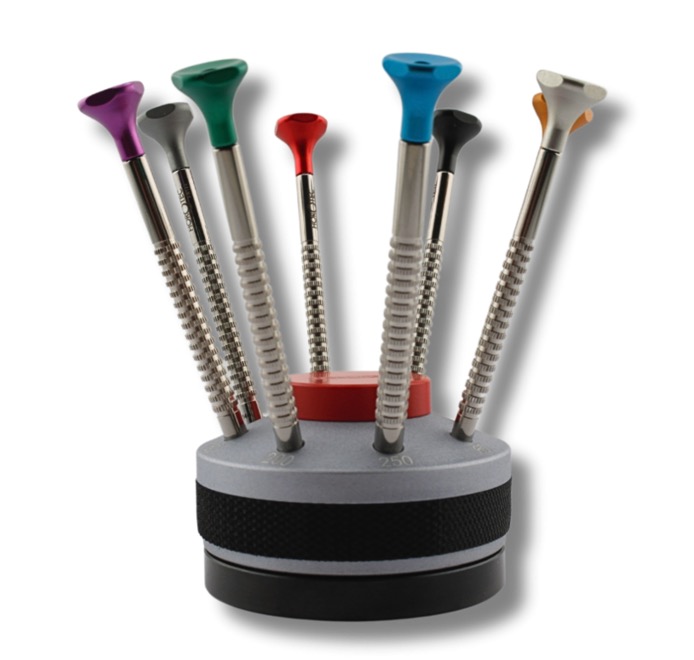
SCREWDRIVERS
Alongside loupes and tweezers, screwdrivers are essential tools for watchmakers. They are distinguished by their unique construction and method of use.
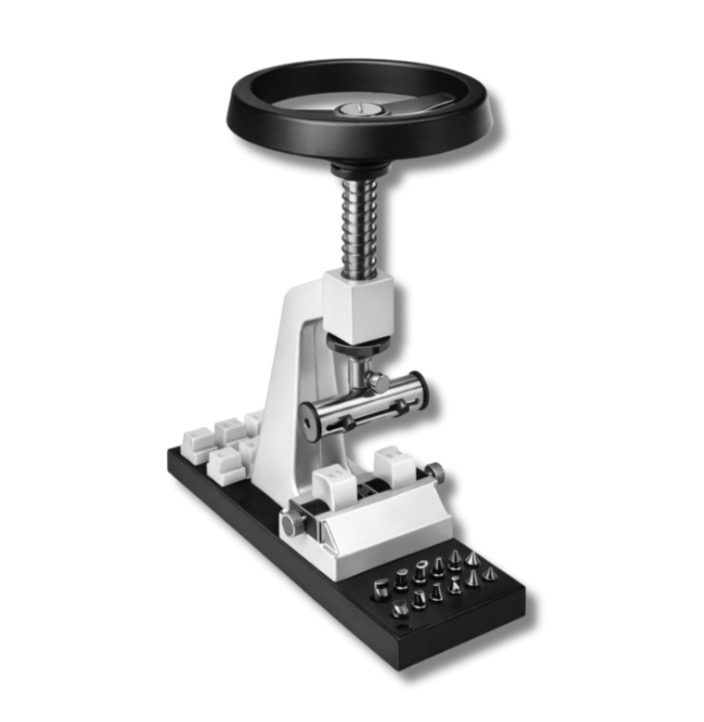
SCREWED CASE-BACK OPENING PRESS
The screwed case-back opening press is a bench tool designed for removing and reinstalling the screw-down case back of a waterproof watch case.
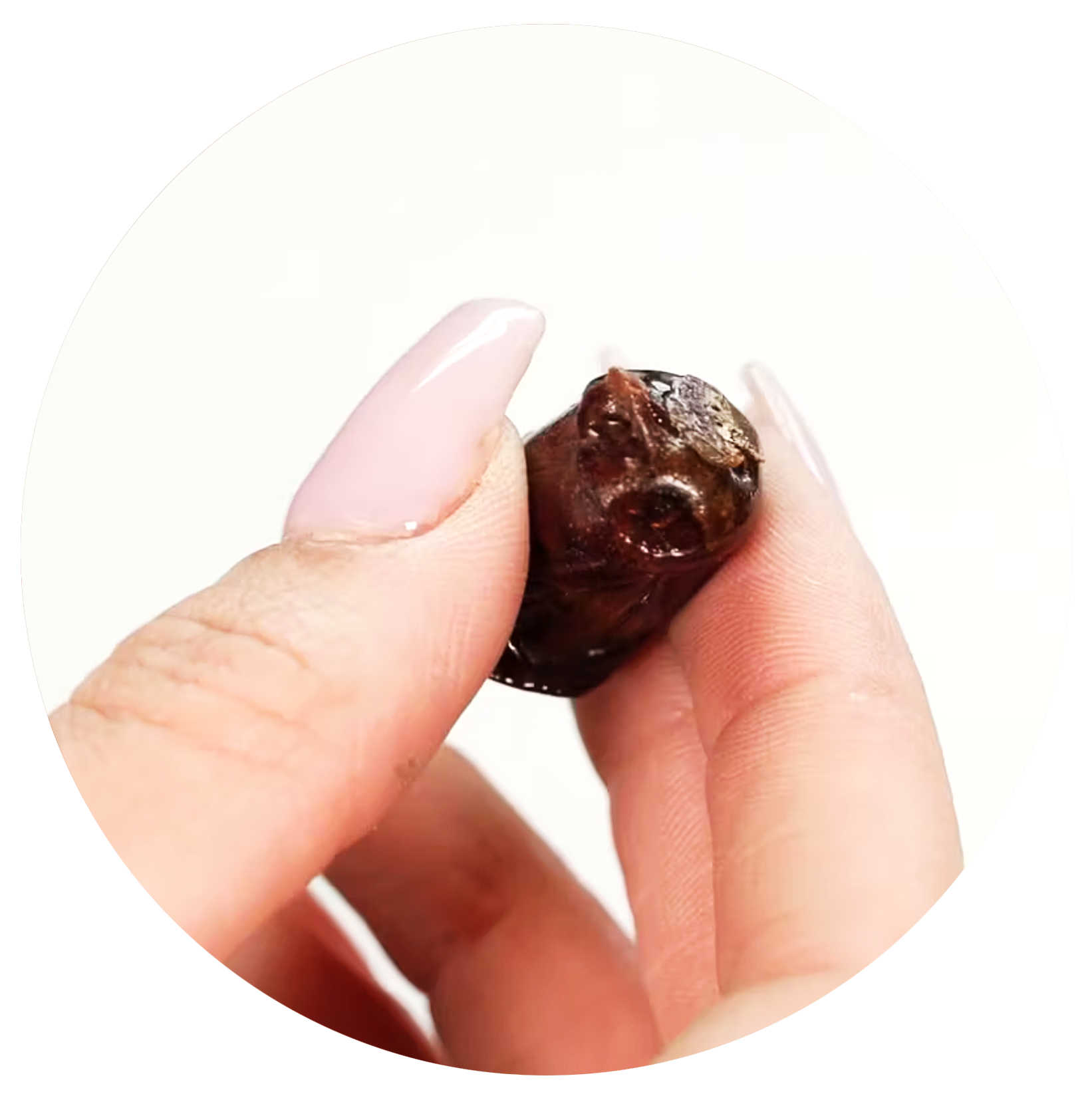
SHELLAC
It is a natural bioadhesive polymer secreted by an Asian insect. Considered a natural thermoplastic, shellac is hard and solid at room temperature with a melting point of 75°C. Shellac is used as a cement or adhesive by watchmakers, engravers, and setters, and it serves as an excellent binder for abrasive powders (shellac stones).
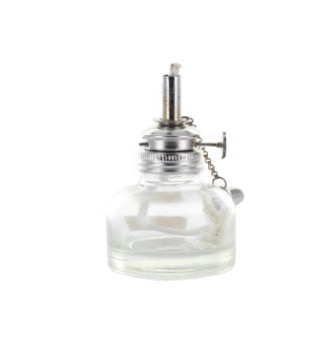
SPIRIT LAMP
The spirit lamp is one of the oldest sources of localized heat used by watchmakers.
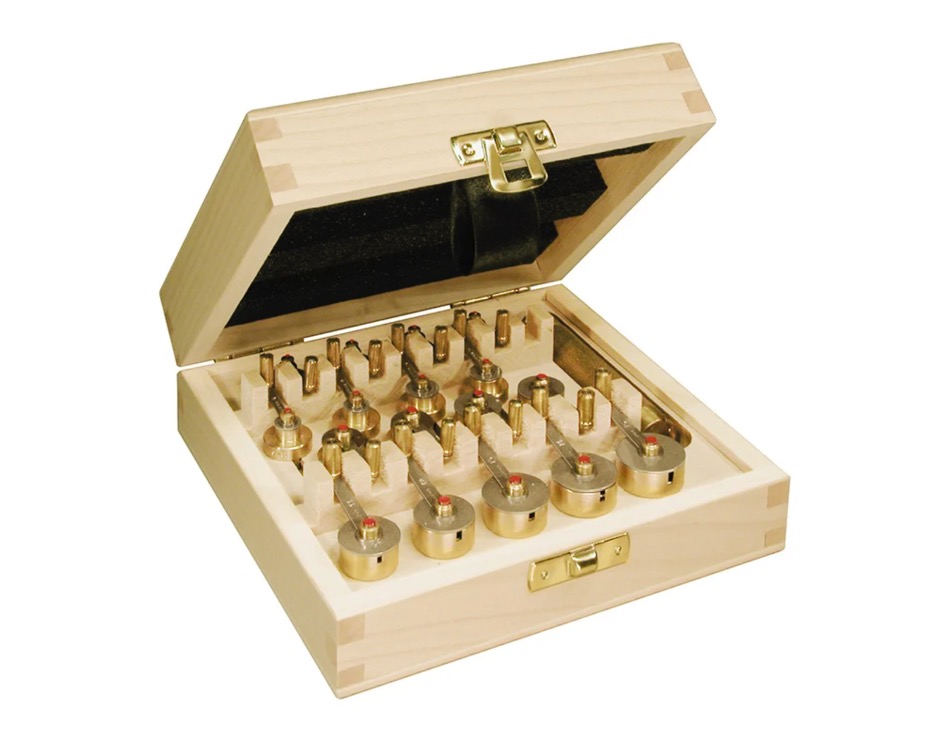
SPRING WINDER
A hand-held or bench-mounted tool used to wind springs such as mainsprings or balance springs.

TWEEZERS
Tweezers are made up of two typically metallic blades. They are primarily used for handling components and can come in various shapes depending on desired purposes and needs.
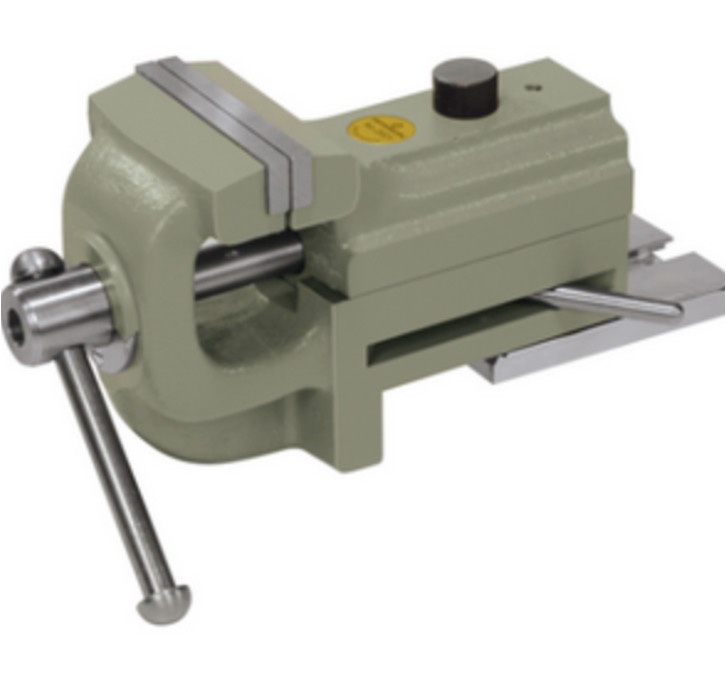
VICE
It is a clamping tool that securely holds a component, a component support, or even a tool between its two jaws (or grips). In watchmaking, the vice is typically firmly attached to the watchmaker’s workbench.
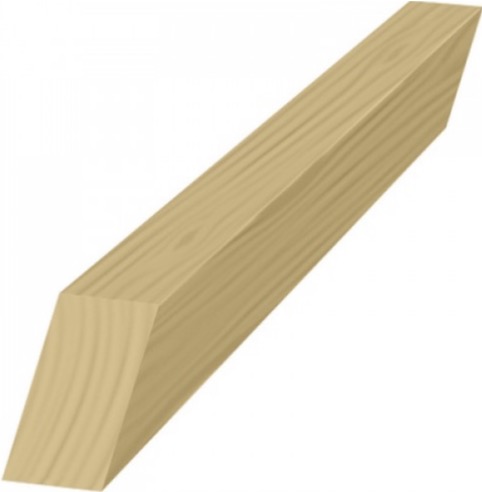
VICE-BLOCK
Made from hardwood, the vice-block is a support or fixture designed to hold a tool or component in place.
BECOME A CONTENT CONTRIBUTOR
HOROPEDIA is a participative knowledge platform and we invite all those who wish to contribute to this adventure of sharing watchmaking knowledge to join us.
It can be additional explanations, images or other illustrations or terms not yet identified that deserve to be.