
HAND TOOLS
This chapter brings together the light tools handled directly by horology professionals. They generally have a specific use and are employed in tasks as varied as handling, manufacturing, decoration or even the cleaning of components.

ABRASIVES
Abrasives are useful for shaping and decorating components, both by hand and by machine. Their purpose may be to remove material (lapping, flattening, etc.), to improve the surface, or to decorate it (satin finish, sandblasting, horological decorations and, of course, polishing). Abrasives must always have a Hardness greater than that of the Material to be treated and come in various forms (liquids, pastes, papers, stones, grinding wheels, pads, etc.)
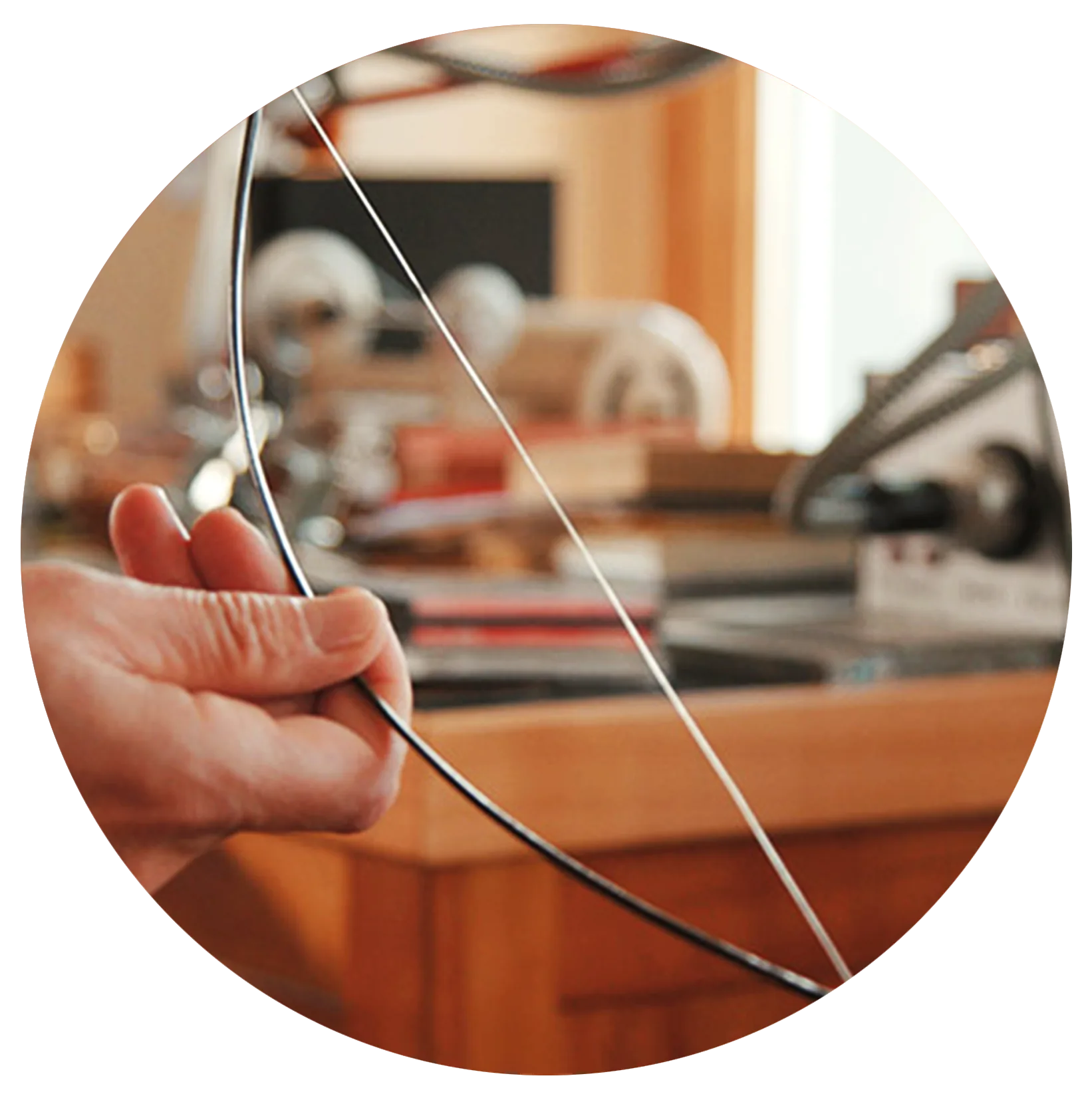
THE BOW
The Bow is a tool used to manually drive a component or tool in rotation.
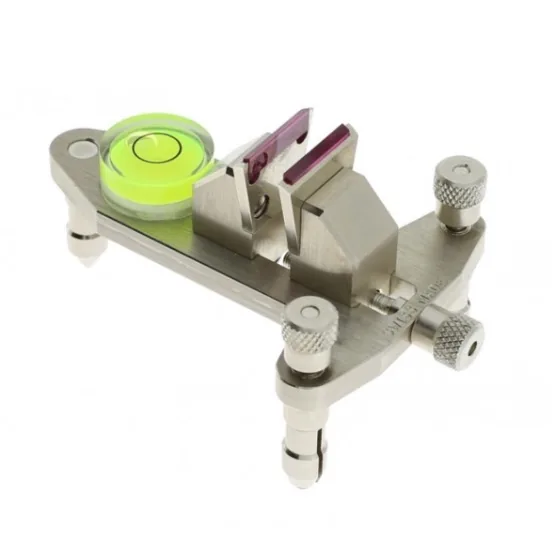
THE BALANCE POISING BENCH
The Balance poising bench is a precision instrument designed to check and correct the static balance of the Balance of a mechanical watch.
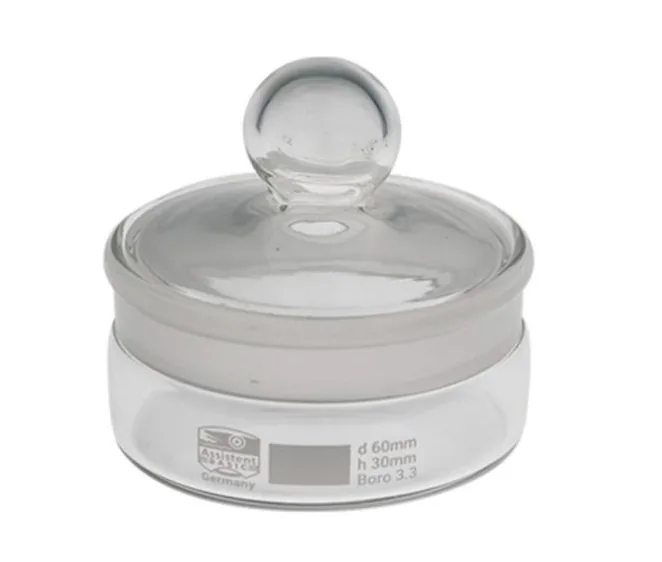
THE BENZINE CLEANING TANK
The benzine cleaning tank is a container regularly found on a horologist’s bench. It contains rectified benzine or other degreasing or cleaning products.
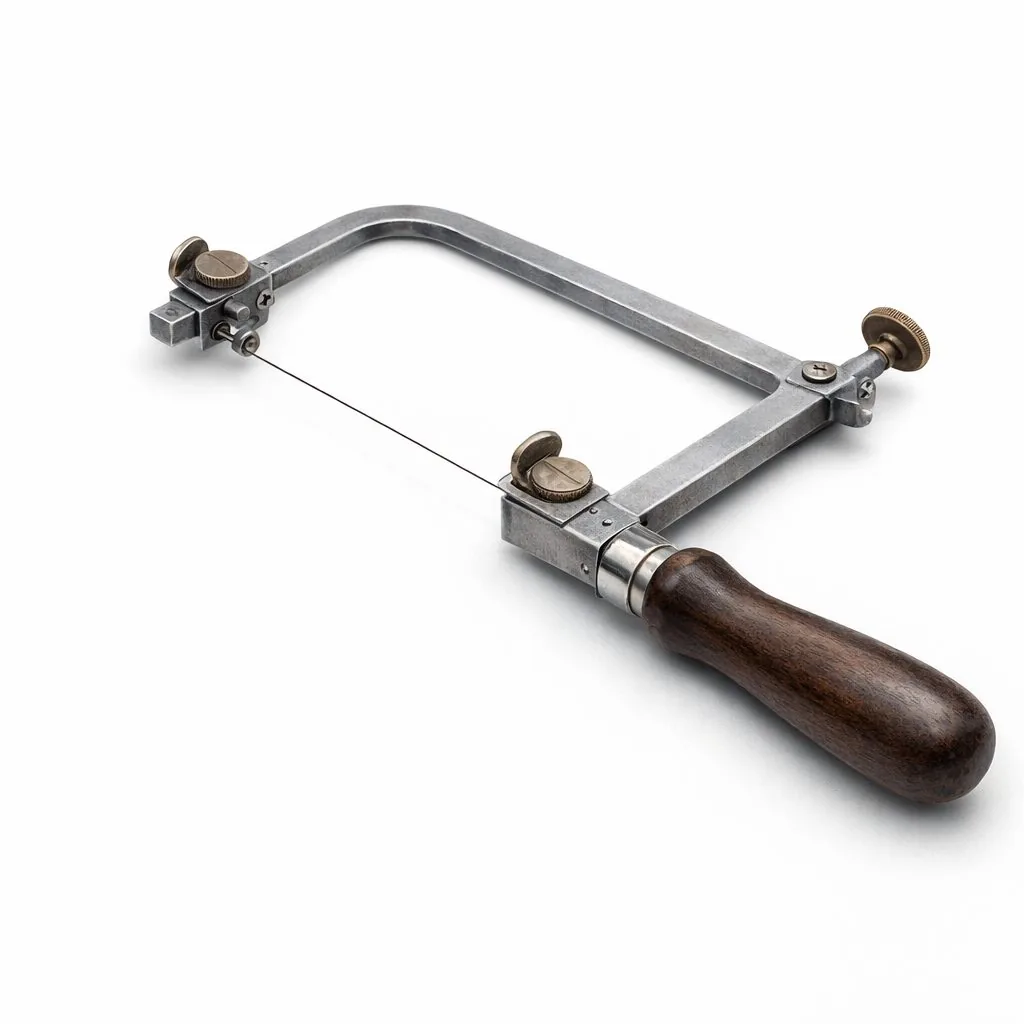
THE PIERCING SAW (JEWELER’S SAW)
It is a type of saw used by craftsmen for cutting component profiles, openworking, or even skeletonizing parts of the movement.
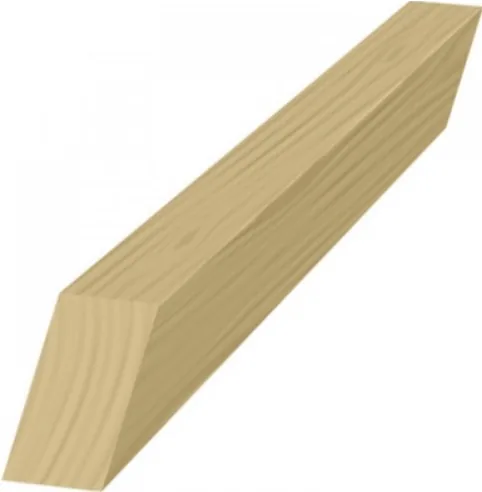
THE VICE JAWS (WOOD)
Made from a hard wood essence, the vice jaws (wood) serve as a support, a rest on which to lean a tool or a component.
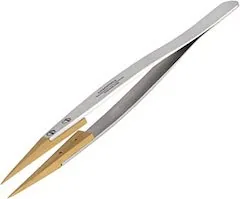
TWEEZERS
Tweezers are pliers made up of two generally metallic blades. They are mainly intended for handling components and can take different shapes depending on the specifics of the intended use.
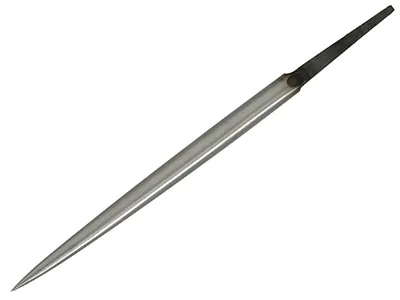
THE BURNISHER
The burnisher is a hand tool made of hard metal or stone (sapphire or diamond) fitted with a handle. It is used to work-harden the surface of a component in order to reduce its roughness, improve its surface hardness, and modify its mechanical properties (coefficient of friction, corrosion resistance).
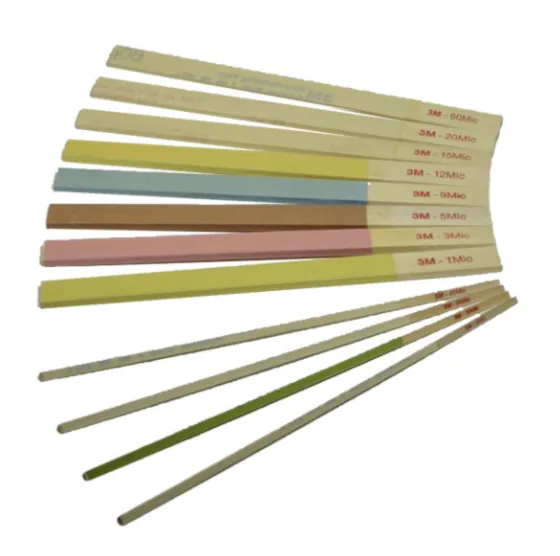
THE BUFFS
Buffs are wooden sticks covered with abrasive paper. Like files, the cross-section of buffs (flat, round, triangular) depends on the profile of the component being treated. Buffs are generally used to smooth the marks left by filing or machining, or to carry out numerous decoration operations (satin finish, drawn lines, etc.).
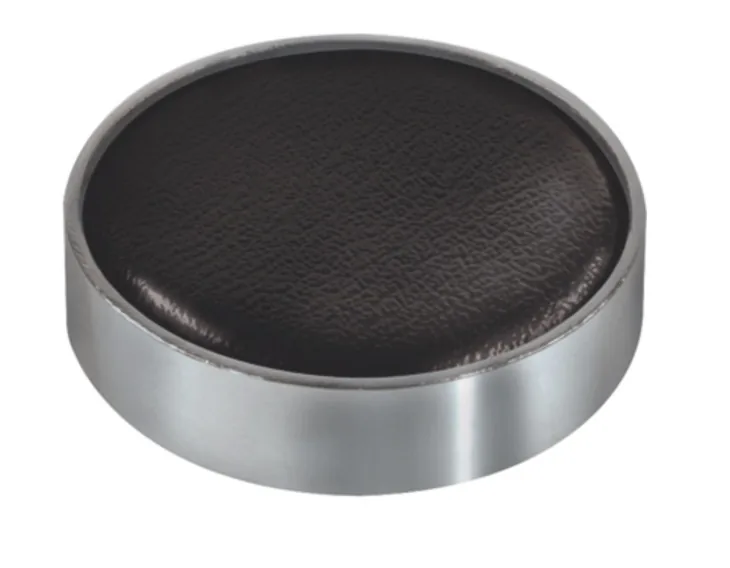
THE CASING CUSHION
The casing cushion is a bench accessory designed to receive and hold the watch case during the delicate fitting and removal operations carried out between the movement, the dial and the case.
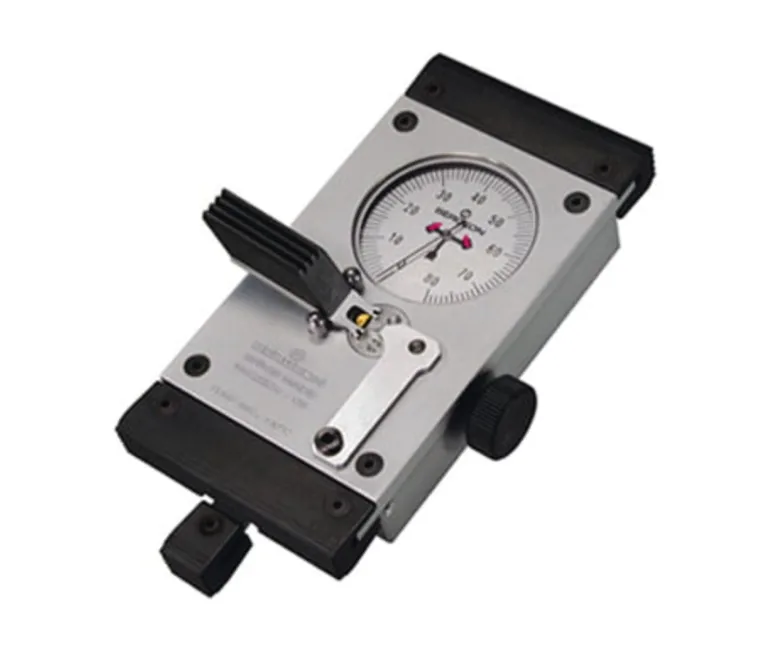
THE ESCAPEMENT TESTER
The escapement tester is a device allowing the position of the pallets in the fork of the pallets (lever) to be adjusted with great precision during Escapement-making (finishing)operations.
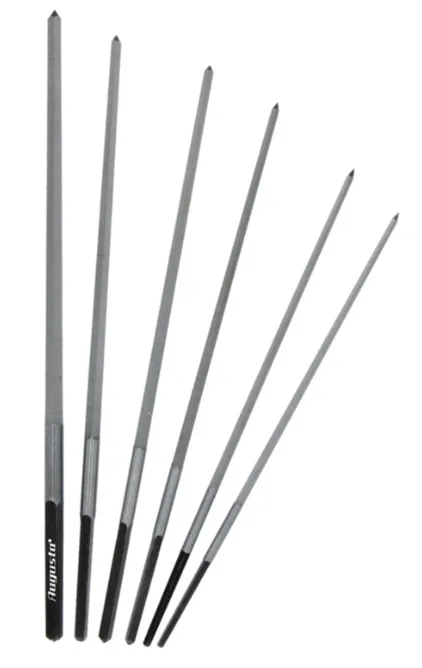
THE REAMERS
Reamers are cutting and calibrating hand tools used by the horologist (watchmaker) to finish, adjust or precisely enlarge a hole drilled in a component.
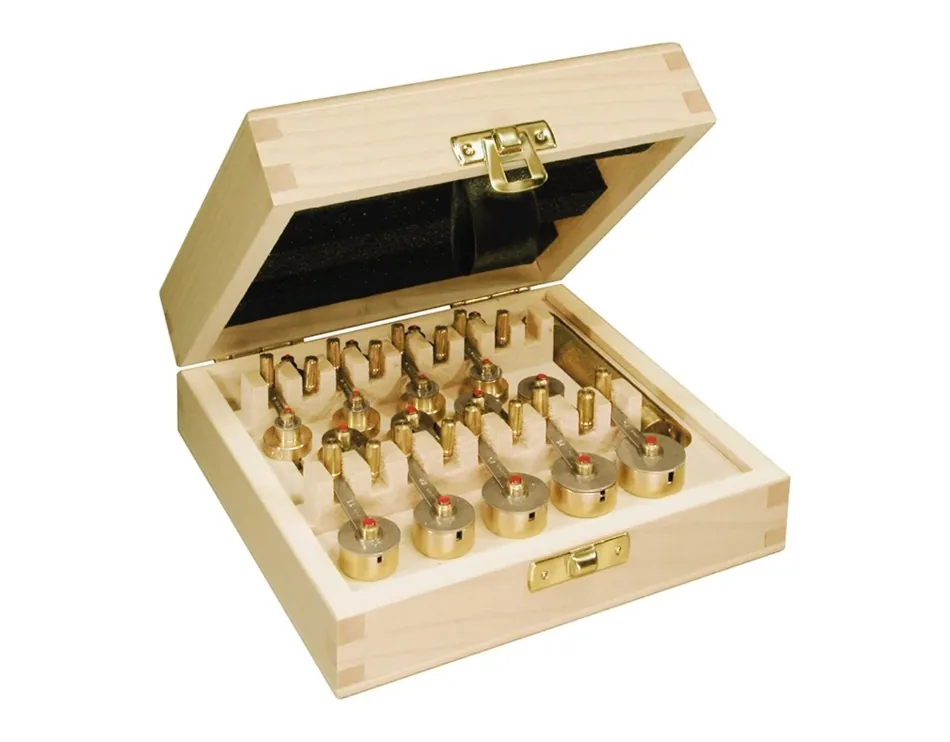
THE MAINSPRING WINDERS
The Mainspring winder is a hand tool designed to wind, in a controlled manner, a long flat spring. Its most emblematic use in horology is that of the Mainspring.
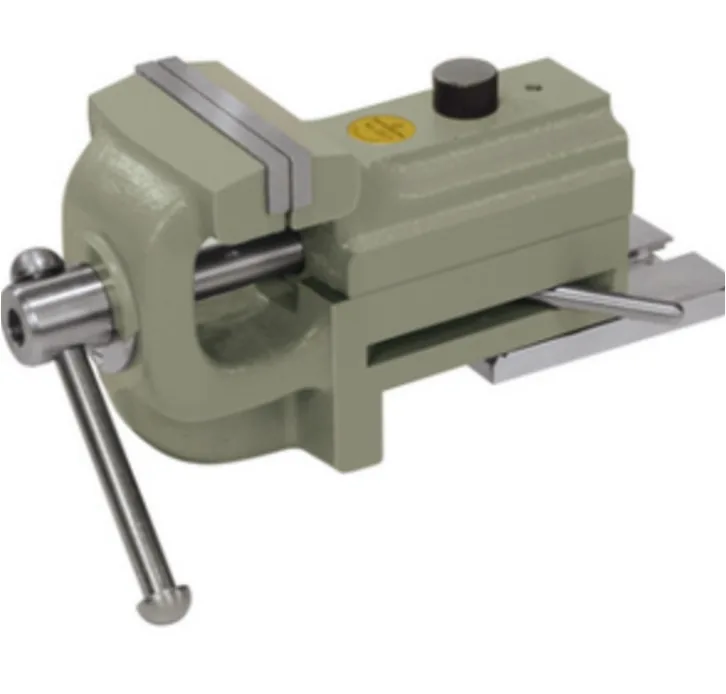
THE VICE
This is a holding tool that firmly secures, between its two jaws, a component, the support of a component, or even a tool. In horology, the Vice is generally itself firmly fixed to the horologist’s Bench.
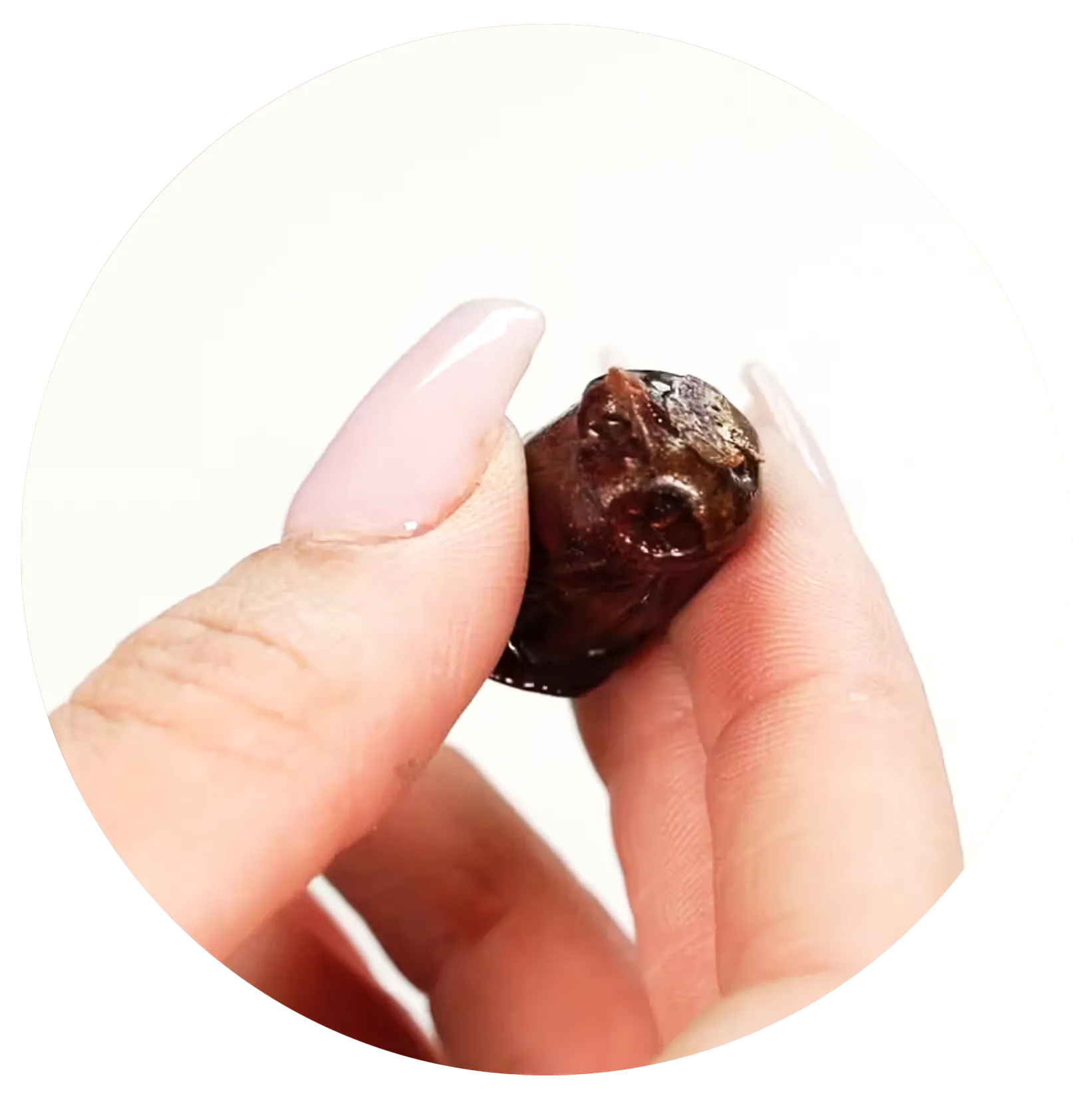
SHELLAC
This is a natural bioadhesive polymer secreted by an Asian insect. Shellac, which can be considered a natural thermoplastic, is hard and solid at room temperature, with a particularly interesting melting point of 75 °C. Shellac is used as cement or glue by horologists (watchmakers), engravers and stone-setters and constitutes an excellent binder for the abrasive powder (shellac stones).
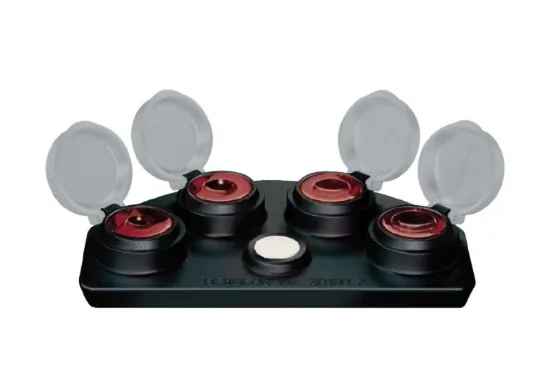
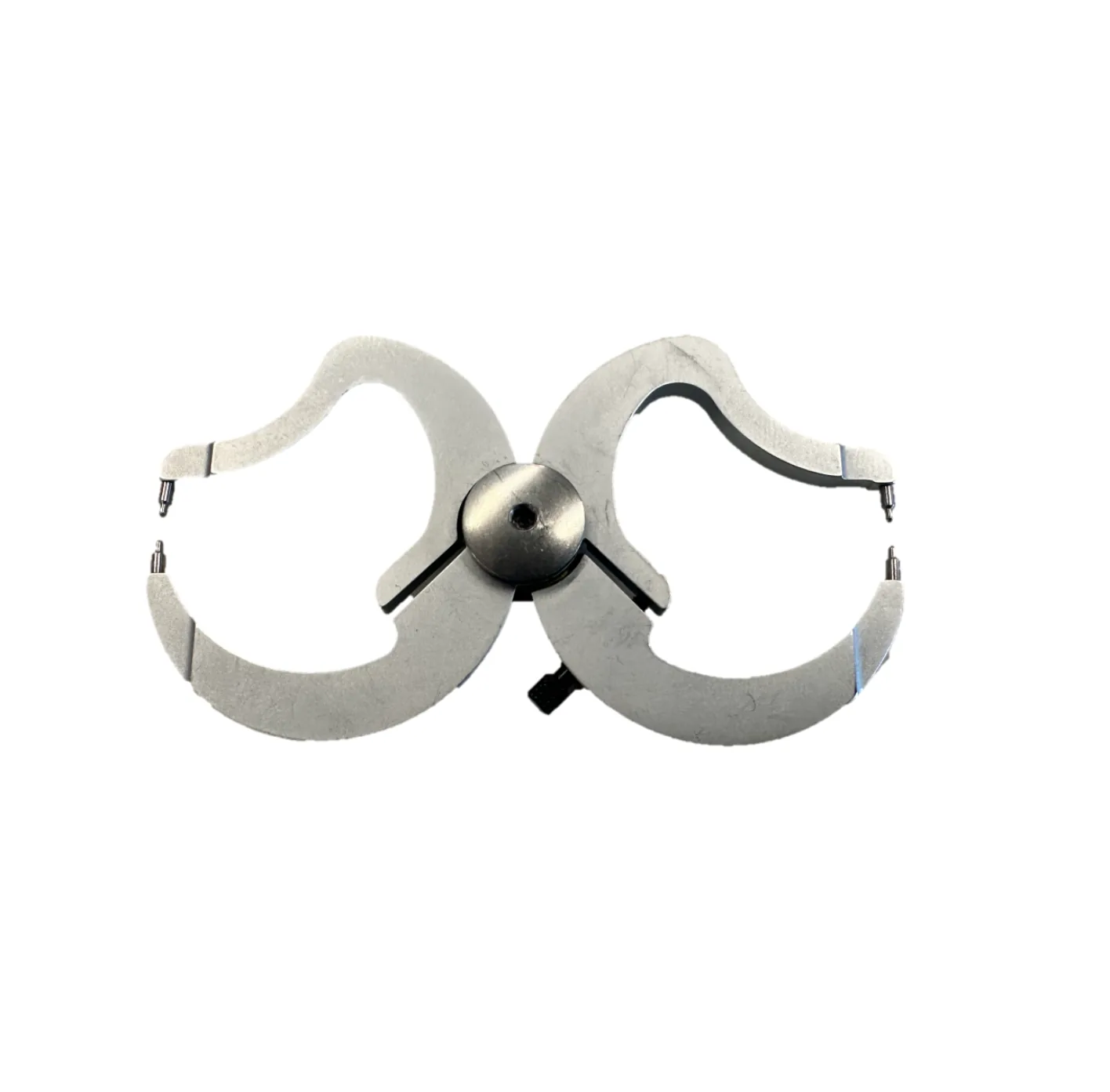
THE FIGURE-OF-EIGHT CALLIPER
The figure-of-eight calliper is a tool used to check the flatness (Out-of-flat (hairspring defect)) and the roundness (Out-of-round (hairspring defect)) of a wheel or a Balance.
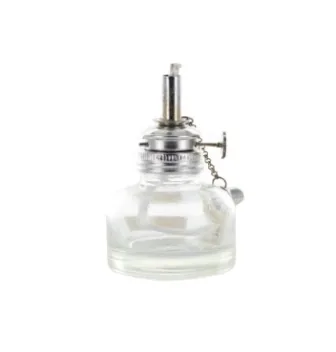
THE ALCOHOL LAMP (or oil lamp)
The alcohol lamp — sometimes an oil lamp — is one of the oldest sources of localized heat used by the horologist.
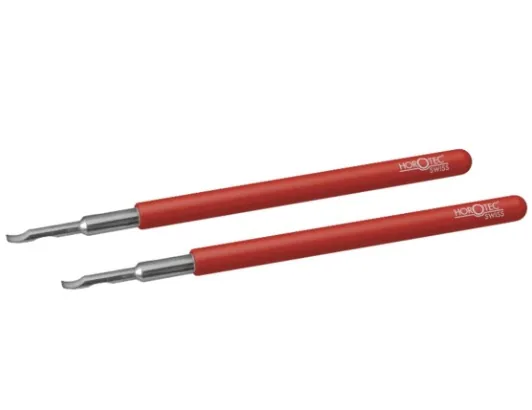
HAND-FITTING LEVERS
Hand-fitting levers form a family of tools specifically designed for removing the hands of a watch.
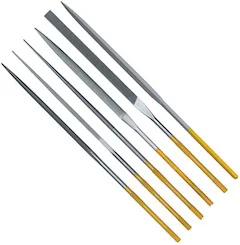
FILES
These are hand tools for machining that work by removing material in the manner of a rasp. Their shape and grain vary and are chosen according to the nature of the operation to be performed and the profile of the component concerned.
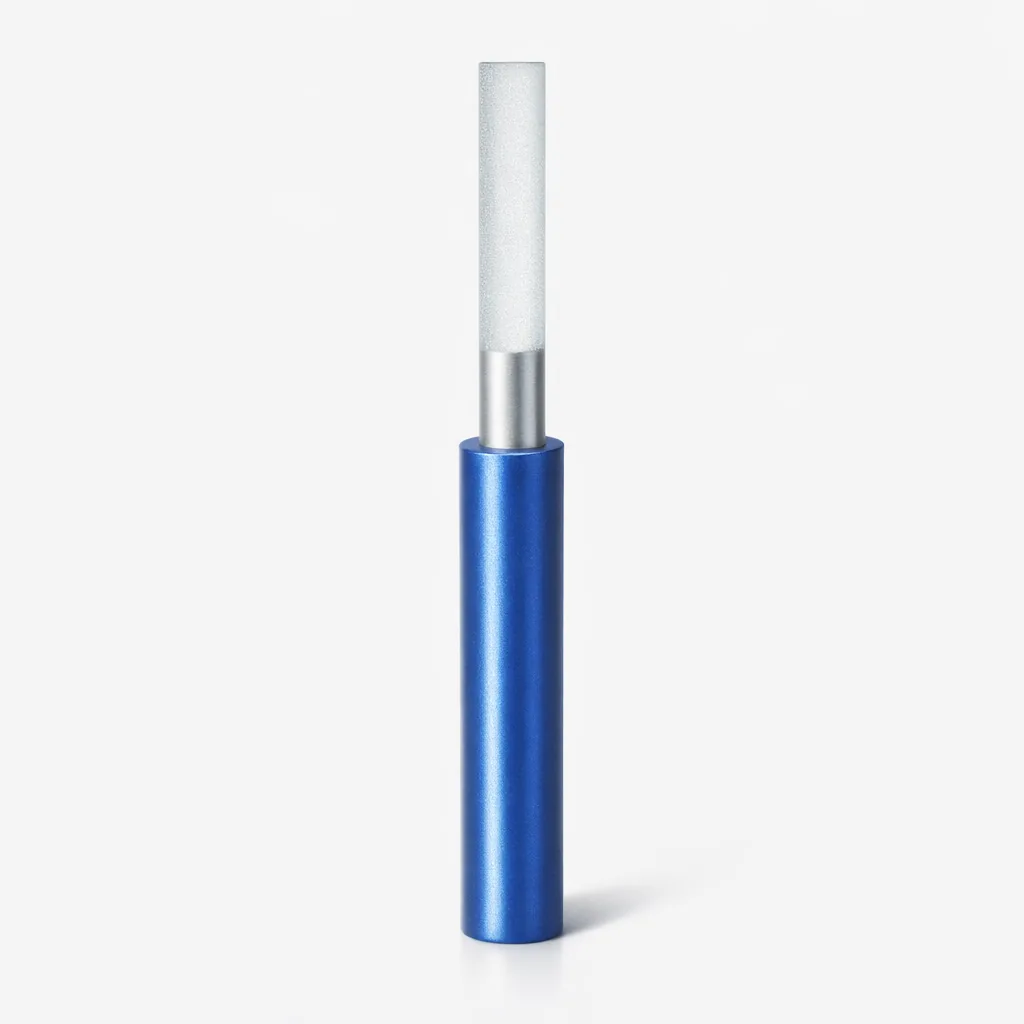
THE SAPPHIRE FILE
Sapphire files find their most widespread uses in operations involving the rolling of pivots, of decoration and finishing of the Movement components.
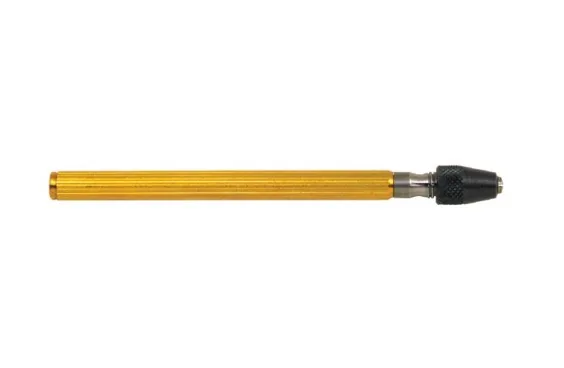
HAND CHUCKS
In horology, hand chucks refer to a family of portable holding tools designed to immobilize a small cylindrical component in order to present it to the working tool.
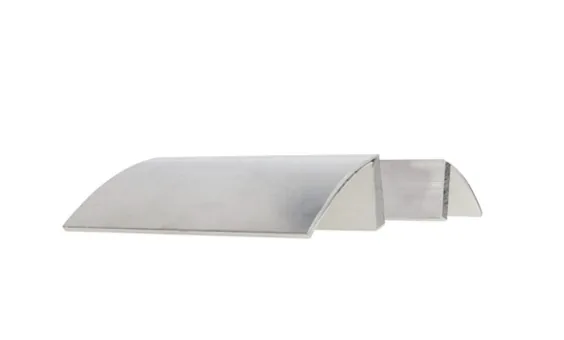
VICE CLAMPS
These are accessories for the vice. They are small plates of soft metal placed between the jaws of the Vice and the component or object to be held in it, in order to avoid marking or deforming it.
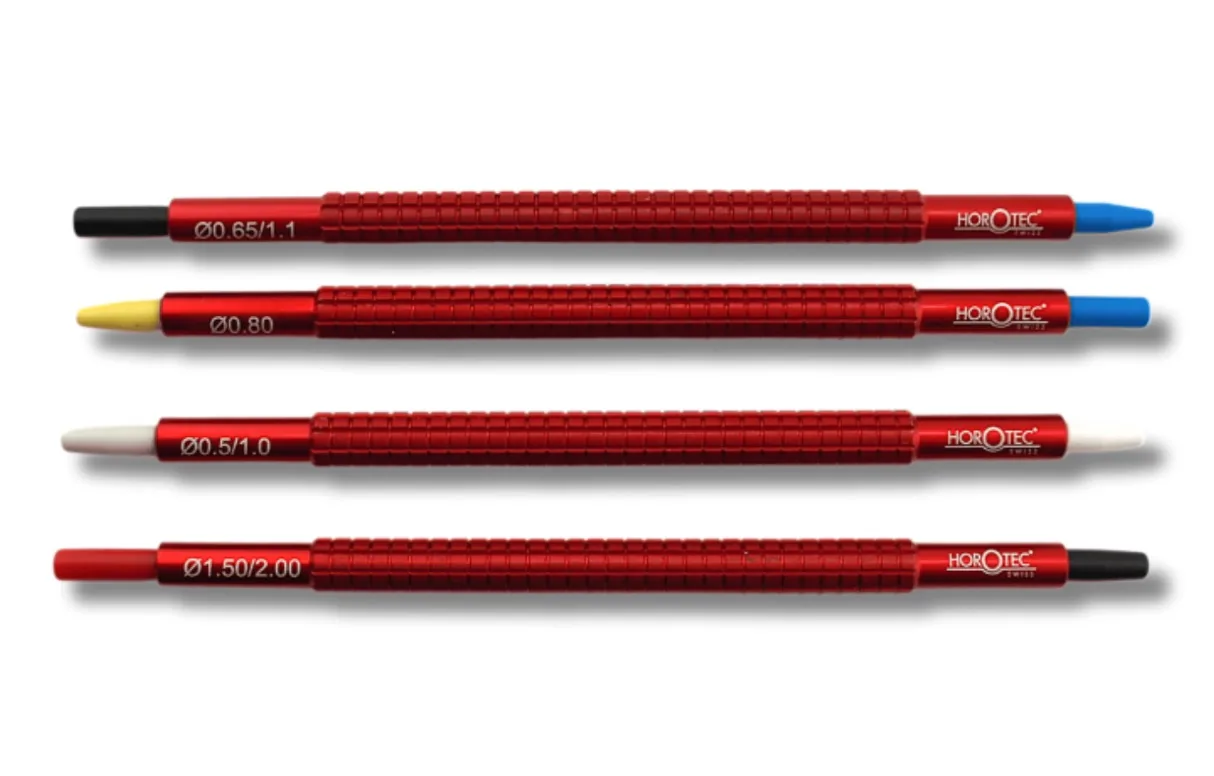
HAND-FITTING TOOLS
The tools for fitting hands refer to the manual pushers designed to fix them to their respective seats.
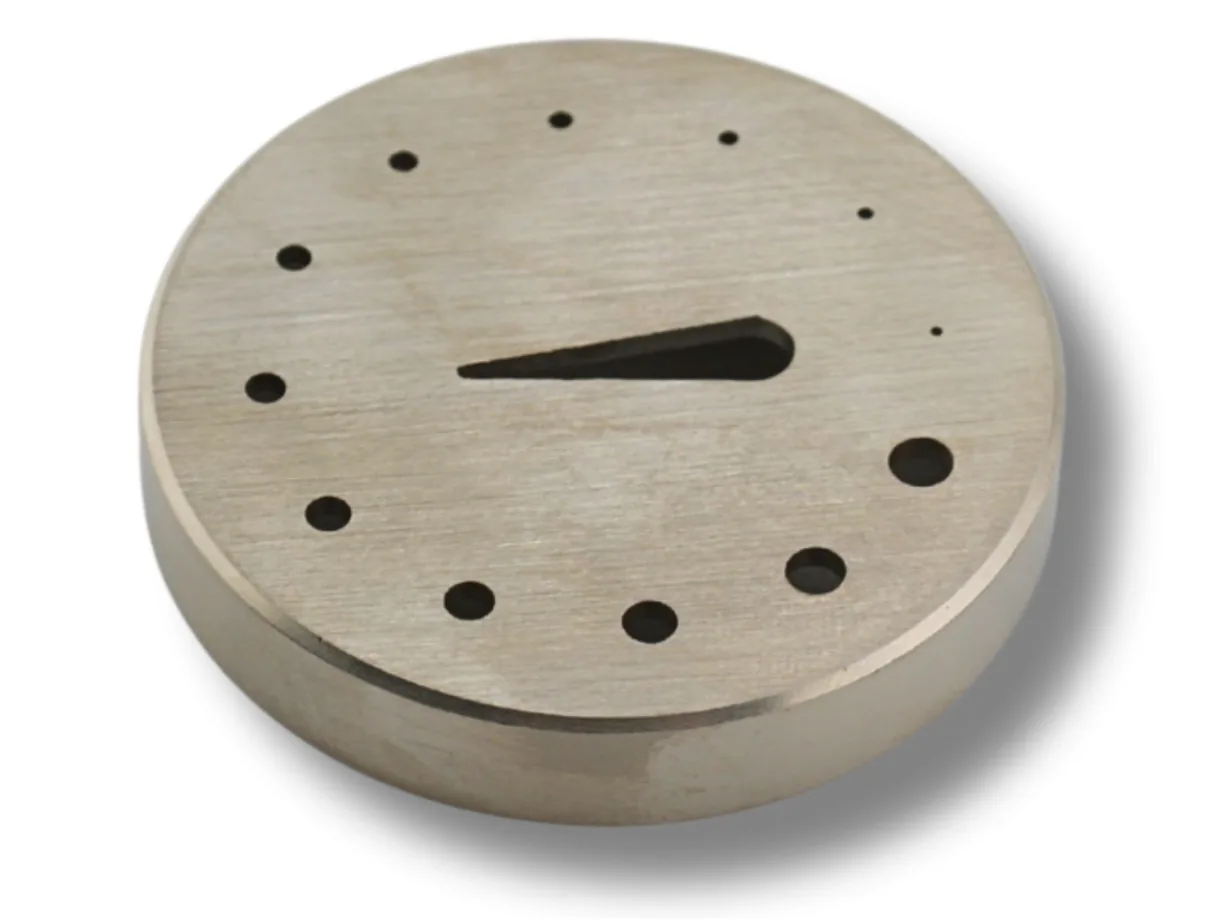
THE HOLE TOOL (HOLE GAUGE)
The hole tool (hole gauge) takes the form of a plate or small block, pierced with a series of holes of different diameters, designed to receive and hold vertically the components fitted with an axis or pivot.
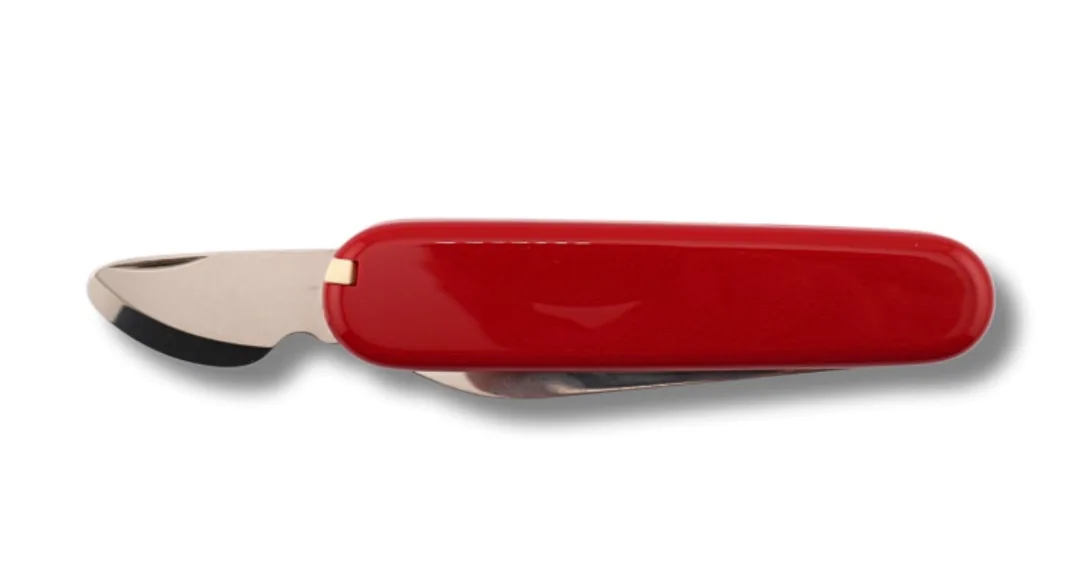
THE BLADE CASE OPENER
The blade case opener, or horologist’s knife, refers to the simplest of the instruments for opening Cases of watches.
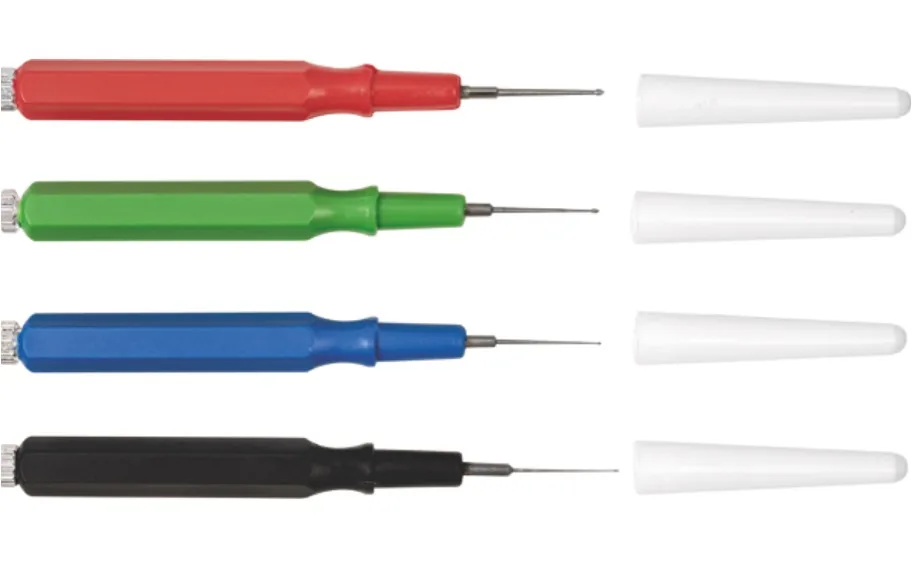
THE OIL-PIKES
Oil-pikes are the instruments intended to draw and then deposit a precise amount of Lubricant onto each of the lubrication points of the Movement.
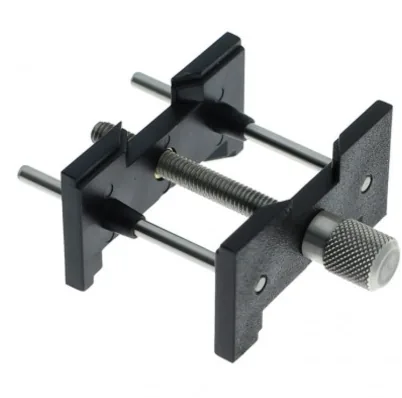
THE VICE HOLDERS
Vice holders refer to bench supports intended to immobilize a Movement during assembly, disassembly, adjustment, and servicing operations.
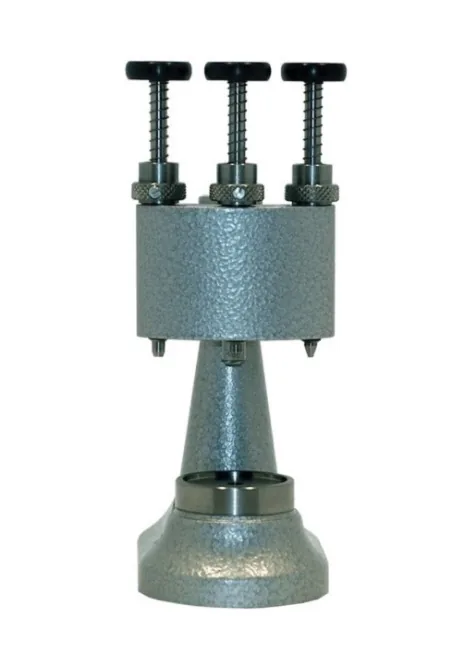
THE HAND-FITTING STAKE
The hand-fitting stake for hands refers to the bench tool intended for fitting hands in a more controlled configuration than that of the manual pusher.
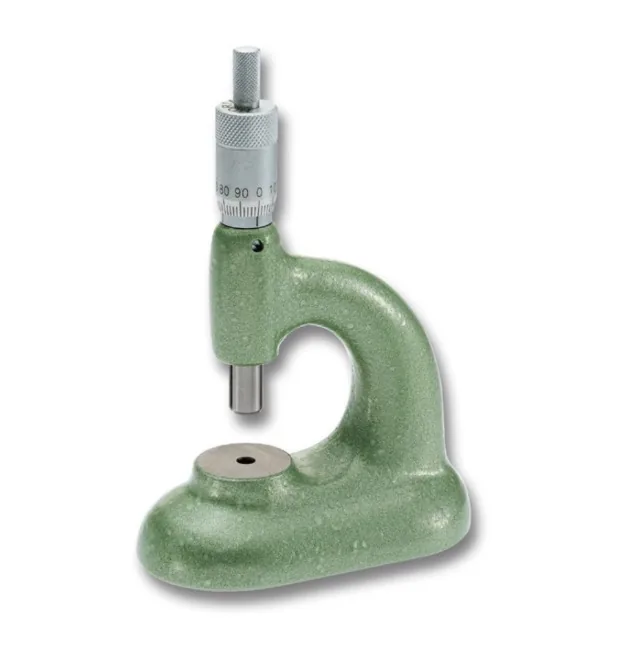
THE MICROMETRIC STAKE
The micrometric stake for driving in stones refers to the bench tool intended for fitting, removing, and adjusting the depth of horological stones as well as bushings.
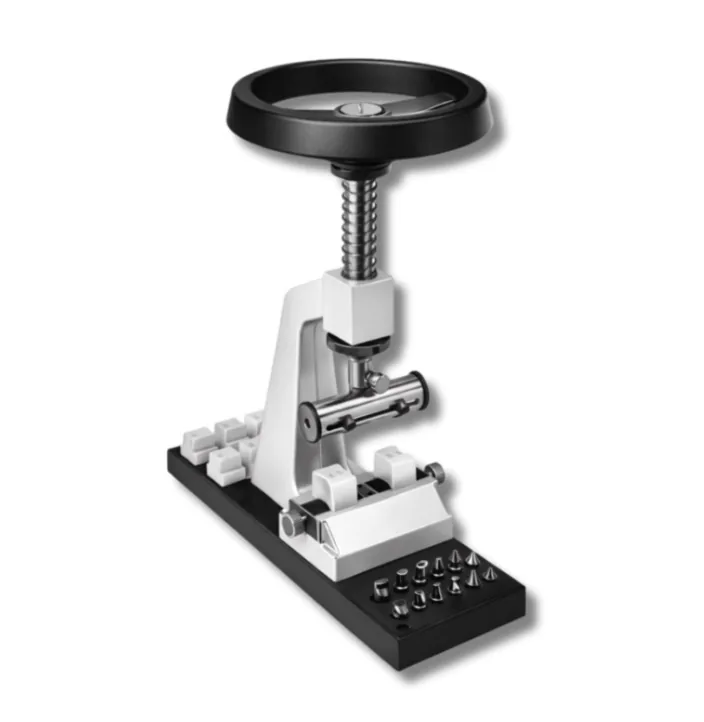
THE SCREW CASE-BACK OPENER STAKE
The screw case-back opener stake is a bench tool used to remove and refit the screwed case back of a waterproof watch case.
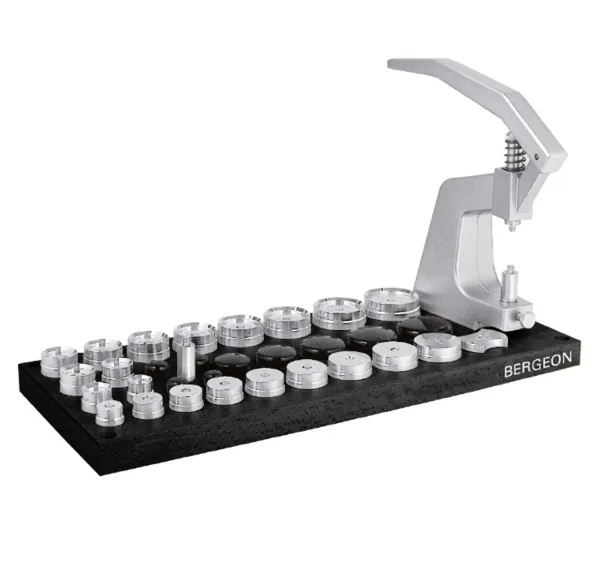
THE CRYSTAL-FITTING STAKE
The crystal-fitting stake is the bench tool used for fitting and removing crystals from a watch case.
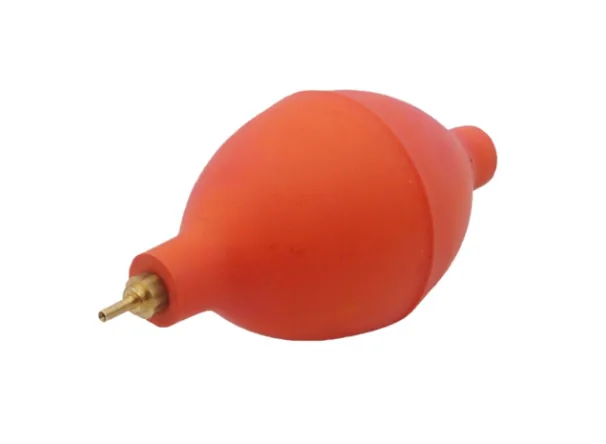
THE BLOWER (OR BULB)
This is a rubber bulb used to blow air to remove dust.
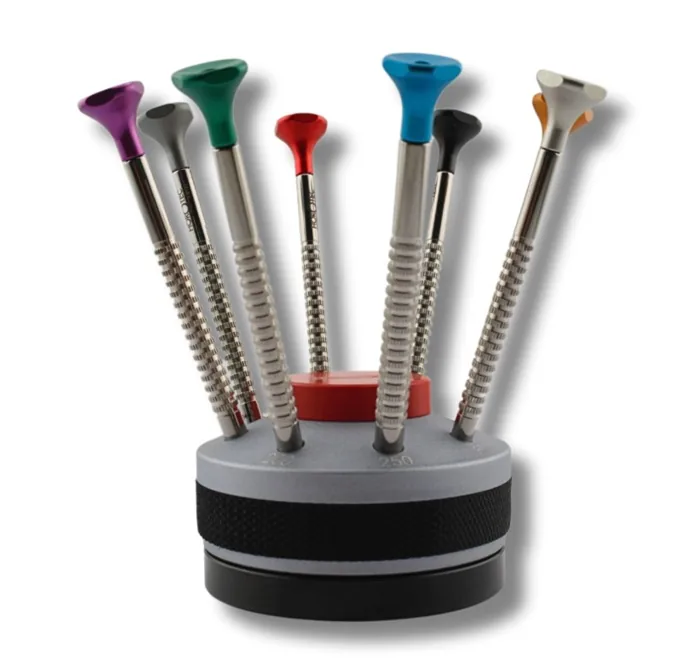
SCREWDRIVERS
Along with the loupe and tweezers, screwdrivers are among the essential tools of the horologist (watchmaker). Horologists’ screwdrivers stand out for their design and use.
This page has been automatically translated from the reference French version using an artificial intelligence tool. Errors or inaccuracies may remain. If you notice any, especially if this is your native language, please do not hesitate to report them to info@horopedia.org. Your contribution helps us improve the quality of the encyclopedia.
Pending their translation, images and videos remain temporarily displayed in French.
Thank you for your understanding.